How to Prevent Damp and Mould in a Romanian Home: A Practical Guide
Keep your Romanian home dry and comfortable all year round with simple habits for ventilation, heating and moisture control.
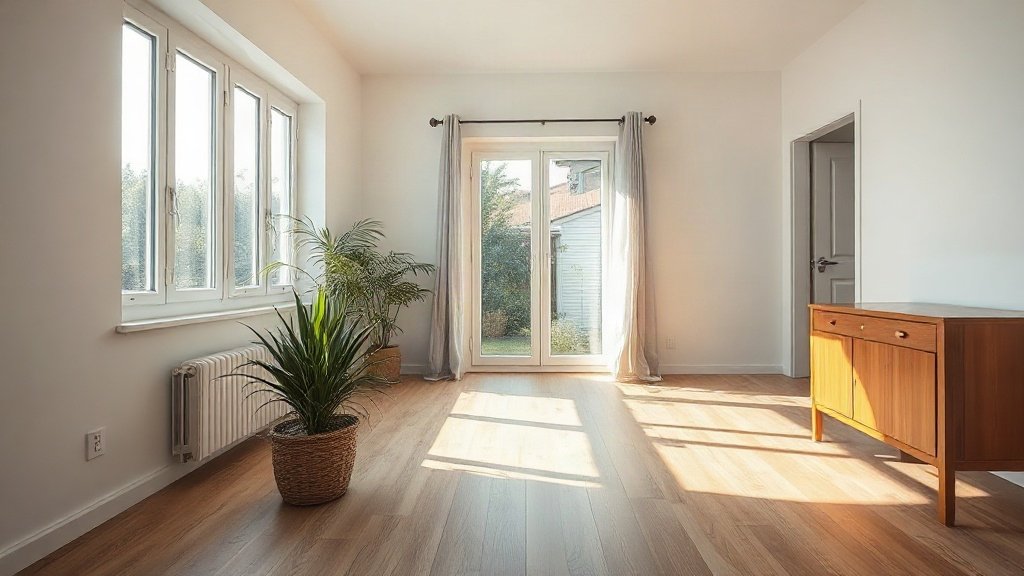
Illustration: AI-generated image
Damp and mould are common problems in Romanian homes, especially in older apartment blocks and houses with thick concrete walls. The good news is that with a few consistent habits, you can keep your living space dry, fresh and pleasant throughout the year. This guide covers practical, everyday steps that require no special equipment or major investment.
Why Damp Occurs in Romanian Homes
Romania has a continental climate with cold winters and warm, sometimes humid summers. Modern buildings often have good insulation, but many older blocks and traditional houses were built with materials that can trap moisture. Daily activities such as cooking, showering, drying clothes indoors and even breathing release water vapour into the air. When that warm, moist air meets a cold surface—like an exterior wall, window frame or corner—it condenses into liquid water. Over time, this creates the perfect conditions for mould to grow.
Common signs include a musty smell, peeling paint, dark spots on walls or ceilings, and condensation on windows. Because flats and houses in Romania are often tightly sealed to keep heat in during winter, ventilation can be neglected. Understanding the balance between warmth, airflow and moisture is key.
Everyday Habits to Reduce Moisture
Ventilate regularly. Open windows for a few minutes several times a day, even in winter. A short burst of fresh air removes humid air without cooling the walls and furniture too much. Cross-ventilation is best: open windows on opposite sides if possible.
Use extractor fans. Always switch on the extractor fan in the kitchen while cooking and in the bathroom during and after showers. If there is no fan, open a window wide for at least ten minutes after steaming activities. Keep the bathroom door closed to stop moisture spreading.
Dry clothes outdoors or in a well-ventilated room. Hanging wet laundry indoors releases a lot of water into the air. If you must dry indoors, place the rack in a room with an open window or use a dehumidifier. Avoid drying clothes in bedrooms or small closets.
Wipe down condensation. Each morning, check windows and window sills for water droplets. Use a dry cloth or squeegee to remove condensation. This simple action prevents water from running down onto walls and frames.
Keep furniture slightly away from walls. Air needs to circulate behind wardrobes, sofas and beds. Leave a gap of a few centimetres between large pieces of furniture and exterior walls, especially in corners that feel cold or look darker.
Seasonal Tips for a Dry Home
Winter. Heat your home consistently rather than turning the heating on and off completely. A steady, moderate temperature keeps walls warmer and reduces condensation. If you use a wood-burning stove or soba, ensure the room still gets some fresh air. Open curtains during the day to let sunlight warm the glass and walls.
Spring and autumn. These are good times to check for hidden damp. Look behind furniture, inside wardrobes and under sinks. Clean any visible mould immediately with a solution of water and mild detergent or a dedicated cleaner. Avoid bleach on porous surfaces as it can make the problem worse over time.
Summer. High humidity can be a challenge, especially after heavy rains. Use a dehumidifier if you have one, or place moisture-absorbing crystals in wardrobes and storage boxes. On hot, dry days, open windows wide to air out the entire flat or house.
When to Take Further Action
If you notice persistent damp patches that return after cleaning, a musty smell that does not go away, or water stains on ceilings, the source may be structural—such as a leaking pipe, poor roof insulation, or rising damp from the ground. In rented accommodation, report these issues to your landlord or building administrator promptly. In your own home, consider consulting a specialist who can assess insulation, ventilation and waterproofing.
By building these habits into your daily routine, you can keep your Romanian home dry, comfortable and free from the unpleasant effects of damp and mould.