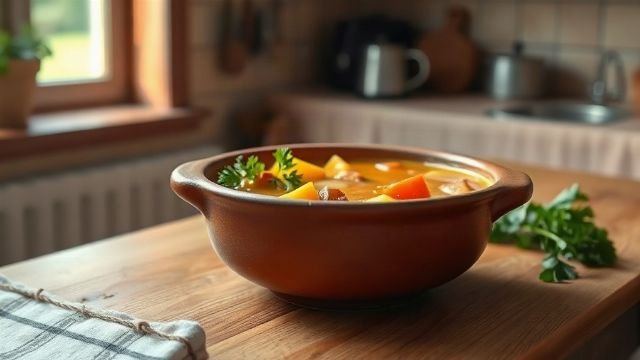
How to Celebrate Christmas in Romania: Traditions, Food and Customs
From carolling and the meatless Christmas Eve dinner to festive dishes like sarmale and cozonac, discover the traditions that make a Romanian Christmas special.
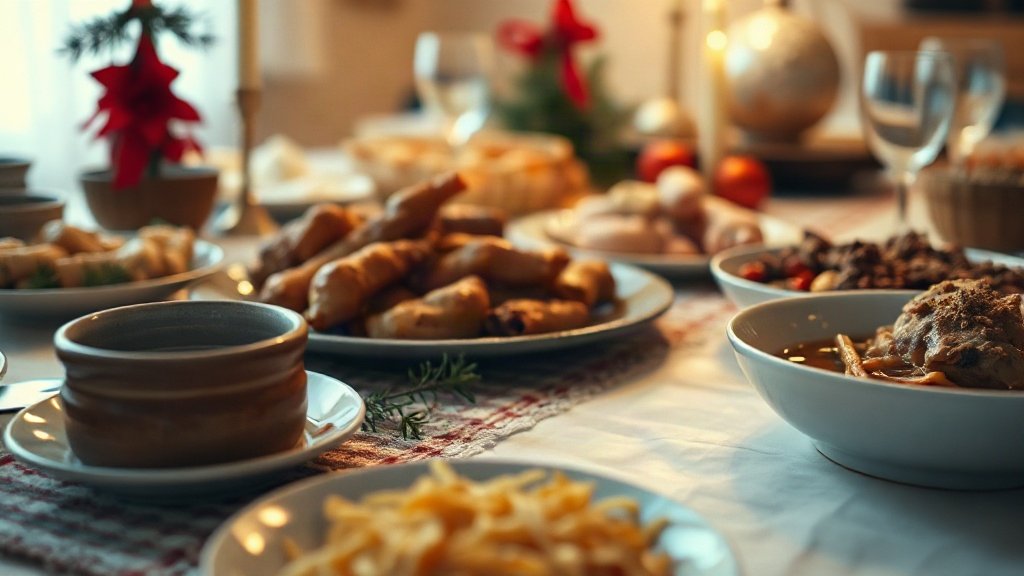
Illustration: AI-generated image
Christmas in Romania is a time of deep-rooted traditions, where religious customs blend with folk practices that have been passed down for generations. For newcomers and visitors, understanding these traditions can turn a simple holiday into an unforgettable cultural experience.
The Christmas Season
The festive period begins on 6 December with St Nicholas Day, when children receive small gifts in their polished boots, and continues through Christmas, New Year and Epiphany. However, the heart of the celebration is Christmas Eve (24 December) and Christmas Day (25 December).
Carolling (Colindatul)
Carolling is one of the most beloved Romanian Christmas traditions. Groups of children and adults go from house to house singing colinde, ancient carols that often tell the story of the Nativity or express good wishes. Carollers are rewarded with sweets, fruit, nuts or money. In villages, the carollers may carry a decorated wooden star, called steaua, which symbolises the Star of Bethlehem. The atmosphere is joyful and communal, and many towns organise public carolling events.
The Christmas Eve Dinner
On Christmas Eve, families gather for a special dinner that traditionally excludes meat, as it is the last day of the Advent fast. The menu varies by region but often includes dishes like sarmale made with mushrooms and rice, borscht (a sour soup), and cozonac, a sweet braided bread filled with walnuts, cocoa or Turkish delight. A symbolic dish is colivă, boiled wheat sweetened with honey and decorated with nuts, which represents the souls of the departed and is also used at funerals and memorials. The dinner is often eaten after the first star appears in the sky, echoing the story of the Magi.
Christmas Day Feast
The main meal on Christmas Day is a rich spread centred on pork, a tradition linked to the ritual pig slaughter (Ignat) that takes place on 20 December in rural areas. Dishes include roast pork, piftie (pork jelly with garlic), and sarmale with minced pork, as well as various salads and pickles. The table is a celebration of abundance and hospitality, and guests are always welcome.
Decorations and the Christmas Tree
Many families decorate their Christmas tree on Christmas Eve, adorning it with baubles, tinsel, and a star on top. Handmade ornaments, such as painted glass balls, are popular, and the tree often stays up until Epiphany on 6 January. In some areas, a sheaf of wheat or a branch of mistletoe is hung for good luck.
Practical Tips for Newcomers
If you are spending your first Christmas in Romania, here are a few things to keep in mind:
- Expect many shops and businesses to close early on 24 December and remain closed on 25–26 December, so do your shopping in advance.
- If invited to a Romanian home, bring a small gift such as flowers, wine, or sweets; it is appreciated but not obligatory.
- Join a public carolling event if you can—it is a wonderful way to feel the spirit of the season.
- Try the traditional foods at a local restaurant or buy them from a bakery if you are not cooking; cozonac and sarmale are widely available in December.
- Be aware that Romania uses the Gregorian calendar, so Christmas falls on 25 December, but Epiphany (6 January) marks the end of the festive cycle.
Whether you are carolling through snow-covered villages or sharing a festive meal, Romanian Christmas traditions offer a warm and authentic way to celebrate the season.