Horezu Pottery: Romania's UNESCO-Listed Ceramic Tradition
Discover the centuries-old craft of Horezu pottery, from its distinctive motifs to the living tradition kept by local potters.
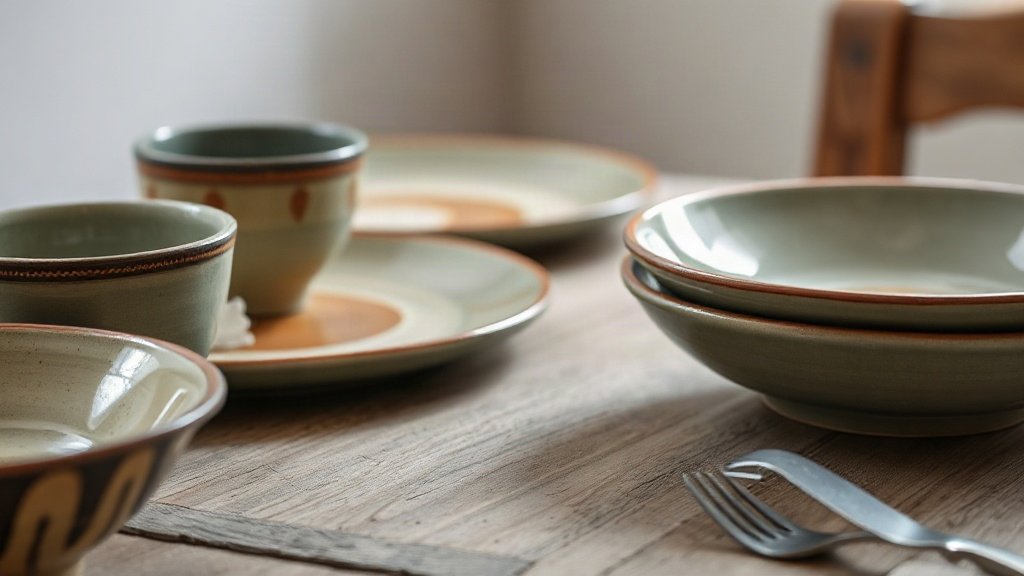
Illustration: AI-generated image
In the foothills of the Carpathian Mountains, in Vâlcea County, lies the small town of Horezu—a name synonymous with one of Romania's most cherished folk arts. For over three centuries, potters here have shaped local clay into vessels that are as functional as they are beautiful, earning the craft a place on UNESCO's Representative List of the Intangible Cultural Heritage of Humanity in 2012.
A Living Heritage
Horezu pottery is not a museum piece; it is a thriving tradition passed down within families. Typically, men prepare the clay and throw the pots on a foot-powered wheel, while women apply the distinctive decoration. Children learn by watching, and many grow up to continue the craft. This intergenerational transmission keeps the techniques authentic and the designs rooted in local identity.
Distinctive Motifs and Techniques
The pottery is recognised by its warm, earthy palette—cream backgrounds decorated in browns, greens, and occasionally reds. The motifs are drawn from nature and daily life: spirals, roosters, fish, snakes, and the tree of life. Each symbol carries meaning, often related to fertility, protection, or good fortune. Potters use simple tools: a cow's horn for applying slip, a goose feather for fine lines, and a stick with a charred end for stamping patterns.
The Firing Process
After decoration, the pieces are dried and then fired in traditional wood-burning kilns. The firing takes several hours, and the careful control of temperature and oxygen affects the final colours. This method, unchanged for generations, gives Horezu pottery its characteristic depth and slight variations that mark each piece as handmade.
Experiencing the Craft
Visitors to Horezu can see potters at work in their workshops, many of which open their doors to the curious. The annual pottery fair, usually held in early summer, brings together artisans from the region to sell their wares and demonstrate their skills. The local Horezu Monastery, a UNESCO World Heritage site, is also nearby, making the town a worthwhile stop for those interested in Romanian culture.
Whether you bring home a simple bowl or an ornate platter, a piece of Horezu pottery carries with it the story of a community that has shaped earth into art for centuries.