Ghiveci: Romania's Versatile Vegetable Stew Explained
Ghiveci is a beloved Romanian vegetable stew that celebrates seasonal produce. Learn how it’s made, its variations, and when it’s typically enjoyed.
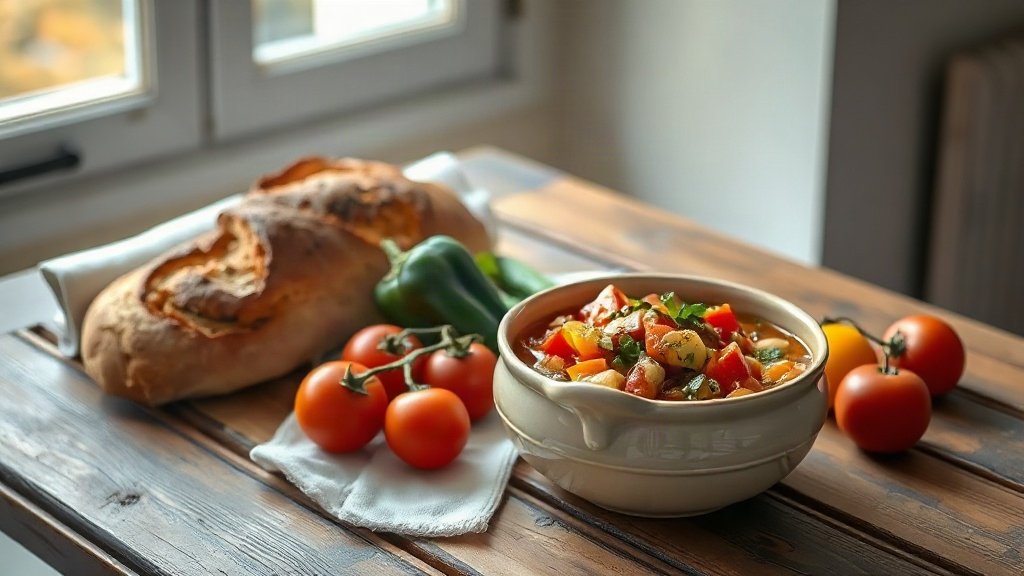
Illustration: AI-generated image
Ghiveci is one of Romania’s most comforting and adaptable dishes: a slowly cooked stew of seasonal vegetables, often enriched with meat or kept fully vegetarian. Its name comes from the Turkish word güveç, meaning an earthenware pot, and traditionally the stew is prepared in just such a vessel. Over time, ghiveci has become a staple in Romanian home cooking, celebrated for its ability to showcase the best of the garden in a single pot.
What Exactly Is Ghiveci?
At its heart, ghiveci is a vegetable stew with a tomato-based sauce. The base typically includes onions, garlic, and ripe tomatoes, which break down into a rich, slightly sweet sauce. To this, cooks add a colourful mix of vegetables such as peppers, aubergines, courgettes, carrots, potatoes, green beans, peas, and sometimes cabbage or cauliflower. The dish is seasoned simply with salt, pepper, and fresh herbs—most commonly dill, parsley, and lovage (leuștean), which lend a distinctly Romanian aroma.
Unlike a quick sauté, ghiveci is cooked slowly, allowing the flavours to meld. The vegetables retain some texture but become tender and infused with the sauce. Some versions include meat—chicken, pork, or beef—which is browned first and then stewed with the vegetables. However, the meatless version is equally traditional and especially popular during Orthodox fasting periods or in summer when vegetables are at their peak.
Ingredients and Seasonal Variations
The beauty of ghiveci lies in its flexibility. It is essentially a “whatever is in the garden” dish, so recipes vary from region to region and household to household. The core ingredients are almost always tomatoes, peppers, and onions, but from there, cooks improvise. In late summer, aubergines and courgettes are abundant and add a silky texture; in autumn, root vegetables like carrots and potatoes take centre stage. Some add a handful of rice or a few spoons of tomato paste for extra body, while others finish with a splash of white wine or a pinch of sugar to balance acidity.
Common additions include:
- Bell peppers (red, yellow, or green)
- Aubergines
- Courgettes
- Carrots
- Potatoes
- Green beans or peas
- Cauliflower or cabbage (in some versions)
- Fresh dill, parsley, and lovage
For a heartier meal, pieces of chicken, pork, or beef are often included. The meat is typically seared before the vegetables are added, then everything simmers together until tender.
How to Prepare Ghiveci
Making ghiveci is straightforward, but patience is key. Traditionally, it is cooked in a clay pot, which distributes heat gently and imparts a subtle earthiness. If you don’t have one, a heavy-bottomed pot or Dutch oven works well.
Start by sautéing chopped onions and garlic in a little oil until soft. If using meat, add it now and brown on all sides. Next, add the firmer vegetables—carrots, potatoes, green beans—and cook for a few minutes. Then stir in the softer vegetables: peppers, courgettes, and aubergines. Finally, add chopped or puréed tomatoes, season with salt, pepper, and herbs, and pour in a little water or stock if needed. Cover and simmer gently for 30 to 45 minutes, or until all vegetables are tender. Some cooks prefer to bake the ghiveci in the oven for an hour or more, which concentrates the flavours further.
Ghiveci is often finished with a generous handful of fresh dill or parsley just before serving. It can be eaten hot, warm, or even cold—the flavours often improve after a day in the fridge.
Serving and Enjoying Ghiveci
Ghiveci is typically served as a main course, accompanied by fresh bread and perhaps a dollop of sour cream (smântână) or a sprinkle of grated cheese. It pairs beautifully with polenta (mămăligă) or a simple side of rice. In summer, it is often enjoyed at room temperature as part of a spread of grilled meats or other vegetable dishes. Because it is so versatile, ghiveci works equally well as a hearty vegetarian main or as a side dish for roasted meats.
Whether you make it with a colourful array of summer vegetables or a heartier autumn mix, ghiveci is a celebration of Romanian home cooking: simple, honest, and deeply satisfying.