Dragobete: Romania's Traditional Celebration of Love
Discover the customs and legends behind Dragobete, Romania's own Valentine's Day, celebrated every year on 24 February.
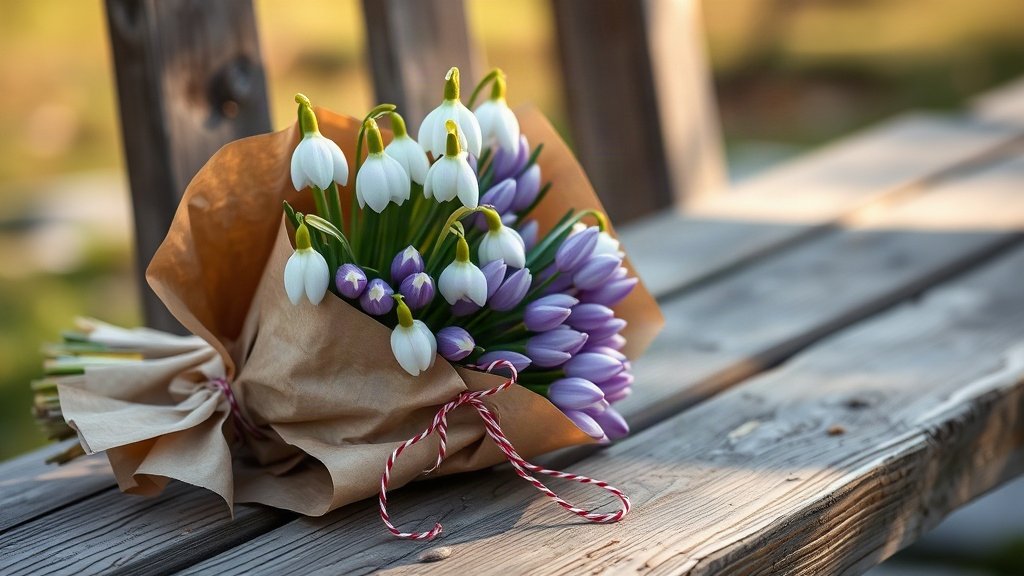
Illustration: AI-generated image
Every year on 24 February, Romanians celebrate Dragobete, a folk holiday often called the country's own Valentine's Day. Rooted in ancient traditions that welcome the first signs of spring, Dragobete is a day for love, courtship and the renewal of nature. While similar to Valentine's Day, it has a distinct local character and is increasingly embraced by those who prefer a homegrown celebration.
Who was Dragobete?
The origins of Dragobete are steeped in Romanian mythology. In many tales, Dragobete is the son of Baba Dochia, a figure associated with the changing seasons. He is portrayed as a handsome, cheerful young man who protects young lovers and brings people together. Some folklorists link the name to the Slavic word "drag" meaning "dear" or "beloved," though the exact etymology remains debated. What is clear is that the celebration marks a turning point: it is the day when birds begin to pair off and build nests, signalling that spring is on its way.
Traditional customs
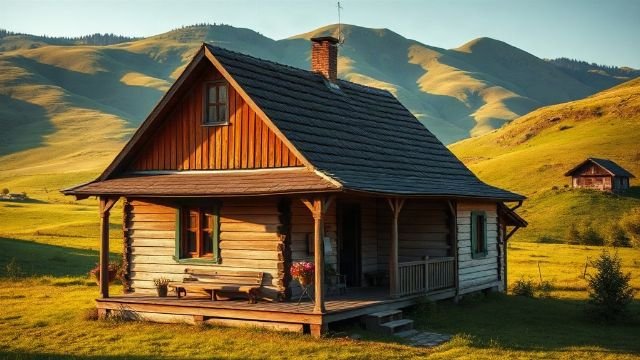
In the villages of old Romania, Dragobete was a day for young people to meet and choose a partner. Dressed in their finest clothes, they would gather in meadows or at the edge of the forest, where they picked early spring flowers such as snowdrops, crocuses and violets. A well-known custom involved girls running after boys; if a girl caught a boy she liked and kissed him in front of the community, it was seen as a public declaration of their engagement for the year. This tradition gave rise to the saying: "Dragobetele sărută fetele" ("Dragobete kisses the girls").
Another belief held that those who did not find love on Dragobete would remain unlucky in love for the rest of the year. To avoid this, even married couples would celebrate by spending time together and exchanging small tokens of affection. Birds were also central to the day's symbolism: people would watch them and, if they saw a pair of birds together, it was considered a good omen for one's own romantic prospects.
Dragobete today
After being largely forgotten during the communist era, Dragobete has experienced a revival in recent decades. Many Romanians now celebrate it as an alternative to the commercialised Valentine's Day, choosing to honour their own heritage. Communities organise folk dances, craft fairs and concerts, while couples exchange spring flowers or handmade gifts. The holiday also serves as a reminder of the close connection between love and nature in Romanian culture.
Whether you call it Dragobete, Dragobetele or simply the Romanian Valentine's Day, the 24th of February remains a joyful occasion. It is a day to step outside, notice the first blossoms and celebrate the bonds that bring people together.