Cimpoiul: Romania's Bagpipes and the Music They Carry
An introduction to the cimpoi, Romania's traditional bagpipes, and their enduring role in folk music and village celebrations.
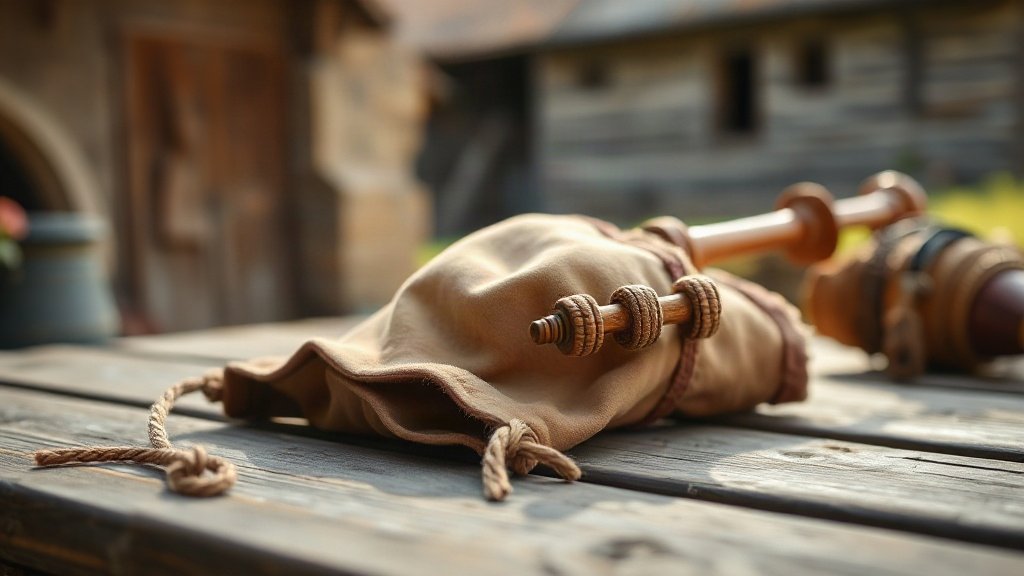
Illustration: AI-generated image
The cimpoi is Romania's answer to the bagpipes, an instrument with a raw, reedy voice that has accompanied village celebrations for centuries. While less famous than its Scottish cousin, the Romanian cimpoi holds a special place in the country's folk music, particularly in regions like Muntenia, Oltenia, and Dobrogea.
At its heart, the cimpoi consists of a bag made from a whole goat or sheep skin, which the player fills with air through a blowpipe. The air then flows into one or more chanters — pipes with finger holes for playing the melody — and typically one or two drone pipes that produce a continuous harmonic note. The result is a sound that is both earthy and haunting, perfectly suited to outdoor gatherings and spirited dances.
Unlike the Highland pipes, the Romanian cimpoi is often played melodically rather than in a strict pipe band format. It shines in hora and sârba dances, where its driving rhythm and piercing tone cut through the noise of a crowded village square. Skilled players can execute rapid ornamentation, giving the music a lively, almost vocal quality.
The instrument has several regional variations. In southern Romania, the cimpoi din Muntenia typically has a single chanter and one drone, while the Dobrogean version may have two chanters, allowing for a richer harmonic texture. In Transylvania and Moldavia, similar instruments appear under names like cimpoi ardelenesc or cimpoi moldovenesc, each with subtle differences in tuning and repertoire.
Today, the cimpoi remains a living tradition, taught in folk music schools and featured by professional lăutari ensembles. It is a symbol of rural identity, and hearing its drone still evokes the joy of a Saturday night hora or the solemnity of a wedding procession. For visitors to Romania, encountering the cimpoi live — at a festival, a village celebration, or a folk ensemble performance — offers a direct connection to a sound that has defined the Romanian countryside for generations.