A Practical Guide to Business Travel in Romania
From airports and trains to mobile connectivity and meeting spaces, here’s how to make the most of a work trip to Romania.
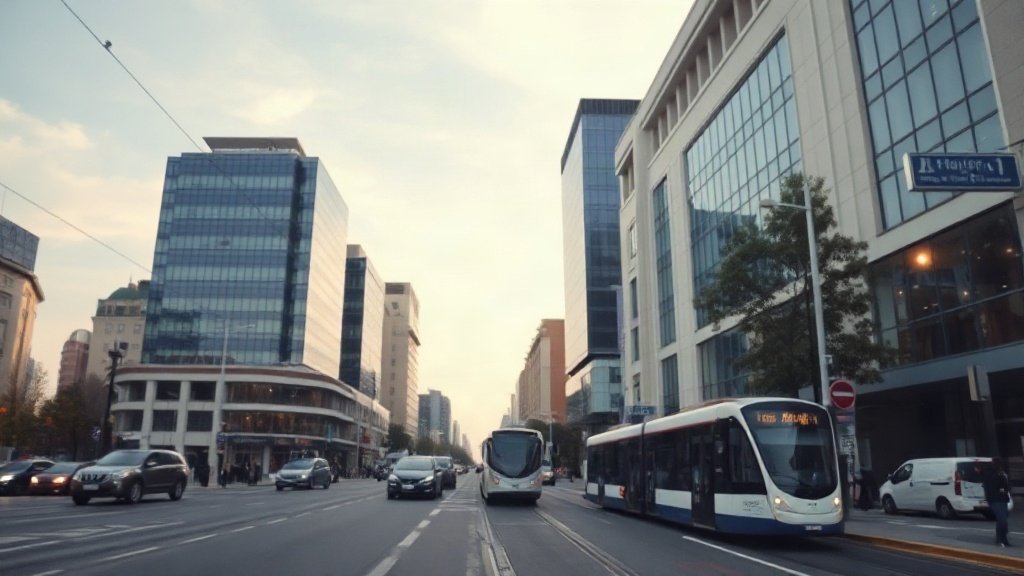
Illustration: AI-generated image
Romania has become a regular stop on many European business itineraries, whether for client meetings, site visits, or conference appearances. While the country is generally easy to navigate, a little advance planning goes a long way toward a productive and stress-free trip. This guide covers the essentials for business travellers, from arrival to departure, without the noise.
Getting There
Most international business travellers arrive by air. Bucharest’s Henri Coandă International Airport is the busiest and best connected, with direct flights from major European hubs and beyond. Cluj-Napoca, Timișoara, and Iași also have international airports that serve regional business centres. From the airport, taxis and ride-hailing apps are readily available, but always use official ranks or apps to avoid overcharging. Many hotels offer airport transfers – worth arranging in advance if your schedule is tight.
Getting Around
For intercity travel, the train network connects most major cities, though journey times can be longer than by car or coach. The fastest option for business travellers is often renting a car, especially if you need to visit clients in smaller towns or industrial parks. Romania’s motorway network is growing, but many routes still use national roads, so allow extra time. In cities, trams, buses, and the metro (in Bucharest) are reliable and inexpensive, but ride-hailing apps are generally the most convenient for point-to-point trips. Taxis are also available, but always confirm the meter is running.
Staying Connected
Mobile coverage in Romania is excellent, with 4G and 5G widely available in urban areas. If you’re visiting from another EU country, your existing plan should work under roaming rules, but check your provider’s fair-use policy. For longer stays or regular visits, a local prepaid SIM is easy to obtain and can be topped up at kiosks, supermarkets, or via mobile apps. Wi-Fi is standard in hotels, cafés, and coworking spaces, though speeds can vary in more remote locations.
Where to Meet and Work
Most business meetings take place in offices, but if you need a neutral space, Romania’s larger cities offer a good choice of business centres and coworking spaces. These can be booked by the hour or day and usually include meeting rooms, high-speed internet, and printing facilities. For informal meetings, the café culture is strong – many venues are laptop-friendly and won’t rush you out. In Bucharest and Cluj-Napoca, you’ll find a particularly high density of such places.
Where to Stay
International hotel chains are present in all major cities, offering predictable comfort and business amenities like meeting rooms, gyms, and reliable Wi-Fi. For a more local experience, boutique hotels and aparthotels are increasingly popular, often located in central, walkable neighbourhoods. If your work is near an industrial zone or business park, check for nearby accommodation to avoid long commutes – smaller cities like Pitești, Ploiești, or Oradea have a growing supply of business-oriented hotels.
Final Tips
English is widely spoken in business settings, especially among younger professionals, but learning a few Romanian phrases is always appreciated. Business attire is generally formal, though creative and tech sectors are more relaxed. Carry cash for small purchases, though cards are accepted almost everywhere. And remember: punctuality is valued, so leave a buffer for traffic, which can be heavy in Bucharest and other large cities during rush hours.