A Guest's Guide to Romanian Weddings: Customs, Gifts and Etiquette
What to expect when attending a Romanian wedding, from the invitation and dress code to gift-giving and the traditional hora dance.
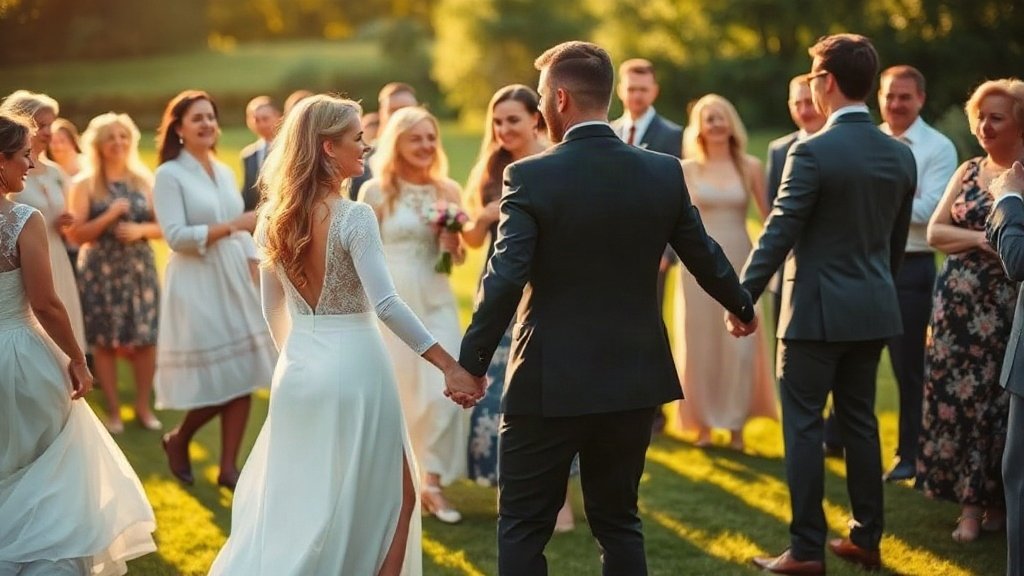
Illustration: AI-generated image
Weddings in Romania are joyful, energetic celebrations that often last well into the early hours. As a guest, understanding a few key traditions will help you feel at ease and fully enjoy the experience. This guide covers the essential customs around invitations, dress, gifts, and the wedding party itself.
The Invitation
Invitations are typically sent several weeks in advance, either in person or by post. They often include the names of the couple, the date, and the venues for both the ceremony and the reception. If you receive an invitation, it is considered polite to respond promptly, confirming your attendance. In many regions, guests may also receive a small token, such as a decorated handkerchief or a sprig of basil, delivered by the couple’s close friends or family as a personal reminder of the upcoming event.
What to Wear
Romanian weddings are formal affairs, and guests dress accordingly. For women, an elegant dress or a smart suit is appropriate, with modest coverage for any church ceremony. Men typically wear a dark suit and tie. Bright colours are welcome, but avoid wearing white, as that colour is reserved for the bride. In rural areas, some guests may incorporate traditional folk costume elements, such as an embroidered blouse or vest, which adds to the festive spirit. Comfortable shoes are a good idea, as dancing can go on for hours.
Gift Giving
The most common wedding gift in Romania is money, placed in a white envelope and handed to the couple or their designated gift collector at the reception. The amount varies by relationship and region, but it is intended to help the newlyweds start their life together and to contribute to the cost of the wedding. Some guests also give a small personal gift alongside the envelope. If you are unsure about the appropriate amount, asking a mutual friend for guidance is perfectly acceptable.
The Ceremony
Many couples hold a civil ceremony at the town hall, followed by an Orthodox religious service in a church. Guests are welcome at both. During the church ceremony, it is customary to stand, and women may cover their heads, though this is not strictly required. The service includes the exchange of rings and the crowning of the couple with linked wreaths, symbolising their new union. Photography is usually allowed, but it is best to follow the lead of others and avoid any flash during the most sacred moments.
The Reception and Party
The reception is a lively affair with abundant food, drink, and music. A traditional moment is the hora, a circle dance in which all guests join hands and step to the rhythm. The bride and groom often lead the dance, and being pulled into the circle is a sign of welcome, not obligation—feel free to join or politely decline. Speeches and toasts are common, and you may hear the traditional cry "Casa de piatră!" (literally "house of stone"), wishing the couple a solid and lasting home. The party typically continues until dawn, so pace yourself and enjoy the celebration.