Zacuscă: Romania's Smoky Vegetable Spread Worth Trying
Zacuscă is a rich, smoky spread made from roasted aubergines, peppers and tomatoes – a beloved Romanian autumn preserve that brings summer flavour to the table all year round.
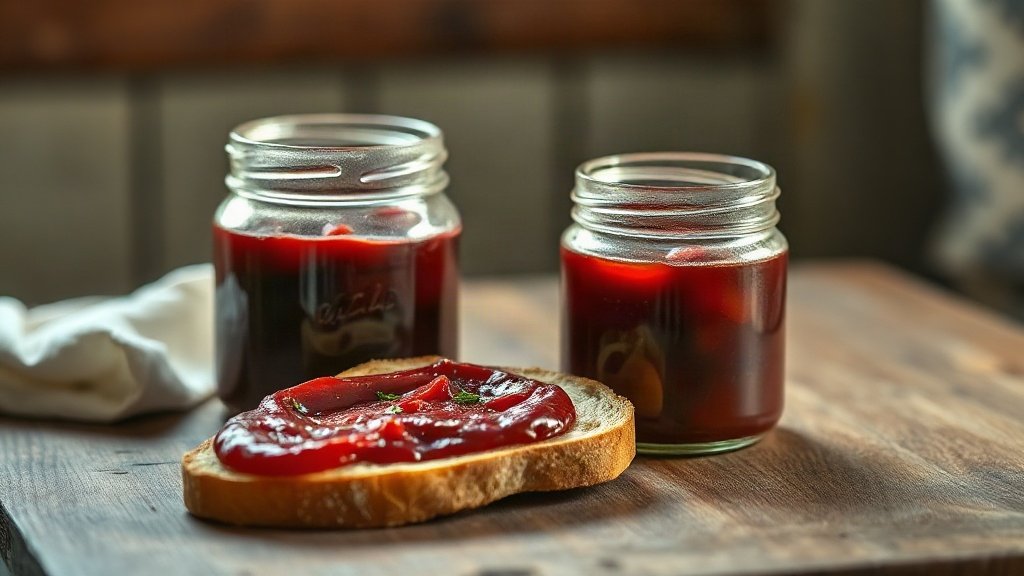
Illustration: AI-generated image
If you have ever been invited to a Romanian home, chances are you have been offered a slice of fresh bread spread thickly with a dark, savoury paste. That paste is zacuscă, one of the country's most cherished foods. It is a vegetable spread made primarily from roasted aubergines, red peppers and tomatoes, slowly cooked with onions and oil until it becomes rich, smoky and intensely flavourful.
Zacuscă is more than a simple appetiser – it is a symbol of autumn, family and the Romanian tradition of preserving the harvest. Every year, as the nights draw in and the vegetable markets overflow with ripe produce, families gather to prepare large batches, filling jars that will see them through the winter months.
What Goes into Zacuscă?
The classic version contains roasted aubergine, roasted red peppers (often the long, sweet variety called gogoșari), onions, tomato paste or passata, and a generous amount of sunflower oil. Bay leaves, black pepper and sometimes a little chilli add depth. The vegetables are first charred over an open flame or in the oven, which gives zacuscă its characteristic smoky aroma. They are then peeled, chopped or minced, and simmered together slowly until the mixture thickens and the flavours meld.
There are many variations. Some cooks add mushrooms, beans or even fish, while others prefer a simpler combination of just aubergine and peppers. The colour can range from deep mahogany to brick red, depending on the ratio of ingredients. Regardless of the recipe, the result is always a smooth, spreadable paste with a naturally sweet and smoky taste.
How Zacuscă Is Made
Making zacuscă is a labour of love. The vegetables must be roasted, peeled and chopped, then cooked for several hours while being stirred almost constantly to prevent sticking. The slow cooking allows the natural sugars to caramelise and the water to evaporate, concentrating the flavour and ensuring the spread keeps well without refrigeration. When the zacuscă is thick enough to leave a trail in the pot, it is spooned into sterilised jars and sealed while hot. The jars are then often wrapped in blankets and left to cool slowly – a traditional method that helps create a vacuum seal.
Although shop-bought versions exist, many Romanians insist that homemade zacuscă is far superior. It is a point of pride, and no two families’ recipes are exactly alike. The process is often a social event, with relatives and neighbours joining forces, sharing stories and laughter while the pots bubble away.
How to Eat Zacuscă
Zacuscă is endlessly versatile. The most common way to enjoy it is simply spread on fresh white bread, sometimes topped with a slice of telemea cheese or a few olives. It also makes an excellent dip for raw vegetables or crackers, and can be used as a sandwich filling – spread between two slices of bread with some lettuce and tomato for a vegetarian lunch. Some people stir a spoonful into pasta or rice for a quick, flavourful meal, or serve it alongside grilled meats as a relish.
During fasting periods in the Orthodox calendar, when meat and dairy are avoided, zacuscă becomes an even more important source of flavour and nutrition. Its rich, umami taste helps satisfy cravings and makes simple meals feel more substantial.
A Taste of Romanian Tradition
For visitors to Romania, trying zacuscă is a must. You will find it on the menus of traditional restaurants, often served as part of an appetiser platter, and in farmers’ markets where home cooks sell their own batches. If you are lucky enough to be invited to someone’s home, do not be surprised if a jar is pressed into your hands as a parting gift – it is a gesture of hospitality and pride.
Making your own zacuscă at home is a rewarding project, though it does require time and patience. The key is to use good-quality, ripe vegetables and to cook the mixture slowly until it is truly thick and glossy. Once you taste the result – smoky, sweet and deeply savoury – you will understand why this humble spread holds such a special place in Romanian hearts.