Hosting a Romanian Dinner Party: A Guide to Warm Hospitality
Romanian hospitality is famous for its generosity. From hearty appetisers to endless toasts, here's how to plan a welcoming evening that makes guests feel like family.
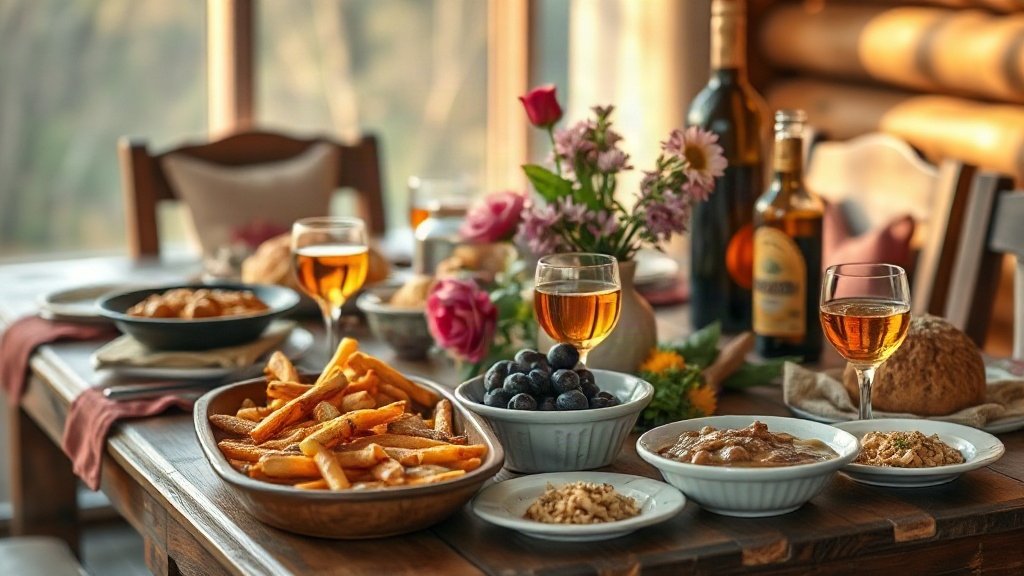
Illustration: AI-generated image
In Romania, hosting a dinner party is not just about feeding people; it is an act of kindness that turns acquaintances into friends and friends into family. The table is a place where conversations flow as freely as the wine, and no guest ever leaves hungry. Whether you are an expat looking to embrace local customs or a local wanting to recreate the warmth of a childhood home, this guide will help you plan an evening that honours Romanian traditions without the stress.
The Spirit of Romanian Hospitality
Romanian hospitality is rooted in the belief that the guest is a gift. Historically, offering food and shelter to a traveller was a sacred duty, and that generosity remains at the heart of social gatherings today. A good host never lets a plate stay empty or a glass go dry. The goal is to make everyone feel relaxed, well-fed and genuinely welcome. This means plenty of food, plenty of drink, and a willingness to open your home with an easy smile.
Planning the Menu
A typical Romanian dinner party is a leisurely affair with multiple courses, often starting with appetisers and ending with something sweet. The key is variety and abundance. You do not need to make everything from scratch, but including at least one traditional dish will delight your guests. Consider a selection of the following:
- Appetisers: salată de vinete (smoky aubergine spread), zacuscă (vegetable spread), telemea cheese with tomatoes, and sliced cold meats.
- Main course: sarmale (stuffed cabbage rolls) with mămăligă (polenta) and smântână (sour cream), or a slow-cooked stew like tochitură.
- Dessert: cozonac (sweet bread with nuts or cocoa) or papanași (fried cheese doughnuts with jam and cream).
It is perfectly acceptable to prepare one or two dishes and supplement with good bread, pickles and fresh fruit. The emphasis is on sharing and enjoying, not on culinary perfection.
Setting the Table
A Romanian table is set with care, but it does not need to be formal. A clean tablecloth, proper plates and cutlery, and a small vase of flowers create a welcoming atmosphere. Napkins are a must, and glasses for both water and wine are standard. If you have traditional ceramics or embroidered cloths, use them to add a touch of local charm. Place a basket of fresh bread in the centre—bread is a symbol of life and hospitality, and it is always broken, never cut, by the host at the start of the meal.
Drinks and Toasts
No Romanian gathering is complete without țuică, the traditional plum brandy, served as an aperitif. Offer a small glass to each guest as they arrive, and do not be surprised if they ask for a second. Wine, both red and white, accompanies the meal, and it is common to toast frequently. The most common toast is "Noroc!" (Good luck!), often followed by "Sănătate!" (To your health!). As a host, you should keep glasses topped up, but never force anyone to drink more than they wish.
Welcoming Your Guests
When guests arrive, greet each one personally, with a handshake or a kiss on both cheeks, depending on your relationship. Offer them a seat and something to drink immediately. It is customary for guests to bring a small gift—flowers, a bottle of wine, or a dessert—so always accept graciously and place the flowers in water straight away. During the meal, encourage seconds and thirds, and take it as a compliment when plates are scraped clean.
After the Meal
After the main course, it is common to linger over coffee or tea, accompanied by something sweet. This is the time for stories, laughter and relaxed conversation. Do not rush your guests; a Romanian dinner party can last for hours, and that is a sign of success. As the evening winds down, walk your guests to the door and thank them for coming. They will likely insist that you visit them next—an invitation you should accept if you can.
Hosting a Romanian-style dinner is about more than food; it is about creating a feeling of abundance and warmth. With a little planning and a generous spirit, you can turn any evening into a celebration of community and good company.