Wooden Churches of Maramureș: A Visitor's Guide to Romania's UNESCO Gems
Discover the centuries-old wooden churches of Maramureș, masterpieces of vernacular architecture recognised by UNESCO for their unique design and spiritual significance.
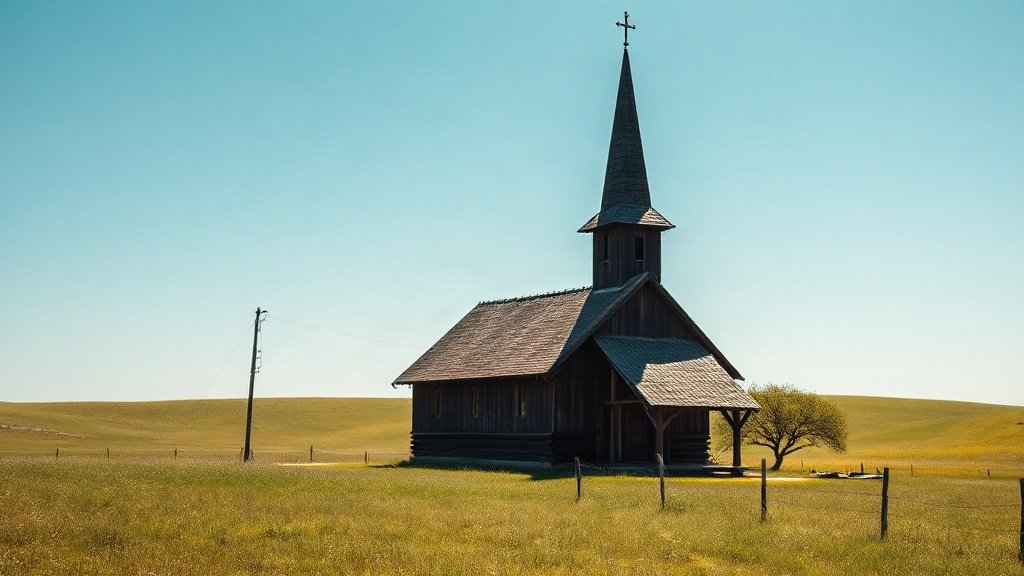
Illustration: AI-generated image
Maramureș, in northern Romania, is home to some of Europe’s most remarkable wooden churches. These tall, shingled structures with their distinctive slender spires have stood for centuries, preserving a building tradition that dates back to the Middle Ages. In 1999, eight of them were inscribed on the UNESCO World Heritage List, recognised for their outstanding universal value and the continuity of local carpentry skills.
A Living Craft Tradition
The churches of Maramureș are built entirely of wood, using local oak and fir, with roofs of wooden shingles. Their most striking feature is the tall, narrow bell tower that rises above the entrance, often exceeding 30 metres in height. The interiors are adorned with painted scenes from the Bible, executed by local artists in a vivid, folk style. These paintings, some dating from the 18th century, cover the walls and vaults, creating a colourful and intimate atmosphere.
What sets these churches apart is that they are not museum pieces. Many are still used for regular worship by the local Orthodox and Greek-Catholic communities. This living tradition adds a profound sense of connection to the past.
Must-See Churches
While there are dozens of old wooden churches in the region, the eight UNESCO-listed ones are spread across the valleys of the Iza, Mara, and Cosău rivers. Among the most notable are:
- Bârsana – known for its elegant spire and well-preserved 18th-century paintings.
- Budești – one of the largest, with a collection of old icons and a striking interior.
- Desești – features some of the most expressive mural paintings, including a vivid Last Judgement.
- Ieud – often called the oldest, with parts dating to the 17th century.
- Șurdești – until recently held the record for the tallest wooden church in the world, with a spire of 54 metres.
Planning Your Visit
The churches are scattered across rural villages, so the best way to explore is by car. Roads are generally good, though some villages are reached via narrow country lanes. Signposting is adequate, and the churches are usually easy to spot thanks to their height. There is no central ticket office; each church may have a caretaker who can open the door for visitors. A small donation is customary but not obligatory.
Maramureș is a region of deep tradition, and visitors should dress modestly when entering the churches – shoulders and knees covered, and hats removed for men. Photography is usually allowed inside, but always ask first. While some churches have fixed opening hours, many are open by request; if the door is locked, look for a nearby house and ask politely.
Getting There and Around
The main gateway to Maramureș is the city of Baia Mare, served by trains and buses from major Romanian cities. From there, local buses connect to the villages, but services can be infrequent. Renting a car is the most flexible option. Alternatively, a guided tour can provide context and hassle-free transport. The region is also well suited to cycling, with quiet roads and gentle terrain, though distances between villages can be long.
When to Go
Spring and summer (May to September) offer the best weather, with long days and green landscapes. Autumn brings golden colours and harvest festivals. Winter can be magical, with snow-covered roofs and quiet villages, but some churches may be harder to access. The region is relatively undiscovered compared with Transylvania, so even in peak season it rarely feels crowded.
Visiting the wooden churches of Maramureș is a journey into a living past, where faith, craftsmanship, and community are intertwined. It is an experience that enriches any Romanian itinerary.