Snowshoeing in Romania: A Beginner's Guide to Winter Trails
Discover how to explore Romania's snow-covered Carpathian Mountains on snowshoes, from choosing your first trail to staying safe in winter conditions.
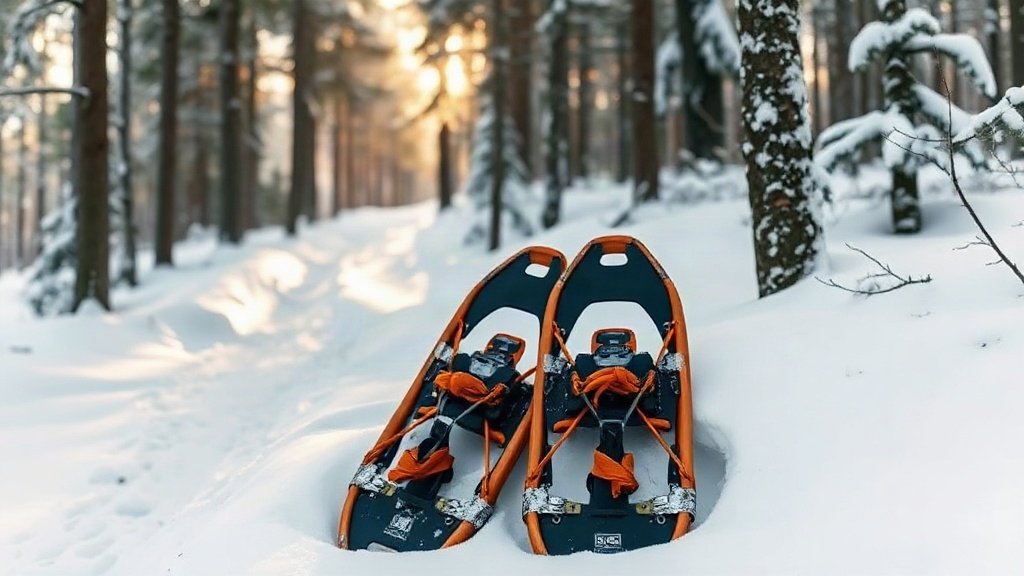
Illustration: AI-generated image
When winter blankets the Carpathians in deep snow, the mountains transform into a silent, white world that feels far removed from the busy summer trails. Snowshoeing is one of the best ways to experience this landscape: it needs no special technical skills, the equipment is simple, and it opens up paths that would otherwise be impassable. Romania's highlands, from the Bucegi to the Apuseni, offer countless opportunities for both first-timers and experienced winter walkers.
Why Choose Snowshoeing?
Unlike skiing or snowboarding, snowshoeing requires little instruction. If you can walk, you can snowshoe. The wide frames distribute your weight so you float over snow rather than sinking into it, letting you follow forest tracks, cross open meadows and reach viewpoints that stay quiet all winter. It is also a low-impact aerobic workout, and the slower pace means you notice details: animal tracks, frozen streams, and the way sunlight catches ice crystals on branches. Children and older adults often find snowshoeing more approachable than other winter sports, and it can be a wonderful family activity when conditions are mild.
Where to Go
Many of Romania's national parks and mountain resorts are ideal for snowshoeing. The Bucegi Mountains, close to Brașov and the Prahova Valley, have well-marked winter routes that start from established trails. Further north, the Rodna Mountains and the Maramureș region offer wilder, less crowded terrain. In the west, the Apuseni Mountains are known for their gentle slopes and karst features, which look particularly striking under snow. The Ceahlău Massif and the Piatra Craiului ridge also have winter routes, though these are better suited to more experienced snowshoers. Always check local conditions before setting out, as some summer paths become avalanche-prone or impassable in winter.
What to Bring
You will need a pair of snowshoes (available to rent in many mountain towns), sturdy waterproof boots, and warm, layered clothing. Gaiters help keep snow out of your boots, and trekking poles with snow baskets provide stability on uneven ground. Pack plenty of food and water, a head torch, a map and compass or GPS, and a fully charged phone. Even on a short hike, carry an emergency bivvy bag or extra insulation. Winter days are short, so start early and know your route.
Staying Safe
Snowshoeing is generally safe, but winter in the mountains demands respect. Tell someone where you are going and when you expect to return. Check the weather forecast and avalanche bulletin if you are heading into steeper terrain; many popular snowshoe routes stay in forested valleys, which are usually safe, but open slopes can be dangerous. If you are new to winter hiking, consider going with a guide or joining a group. Mobile coverage can be patchy in remote areas, so do not rely on your phone alone. Also, be aware that marked trails may be hidden under snow, so navigation skills are essential.
Snowshoeing offers a peaceful, accessible way to see Romania's mountains at their most magical. With a little preparation, even a beginner can enjoy a day of crisp air, deep snow and complete quiet far from the resorts' busy pistes.