Sighișoara: A First-Timer's Guide to Romania's Medieval Citadel
A complete travel guide to Sighișoara, Romania's best-preserved medieval citadel: what to see, where to walk, and how to make the most of your visit.
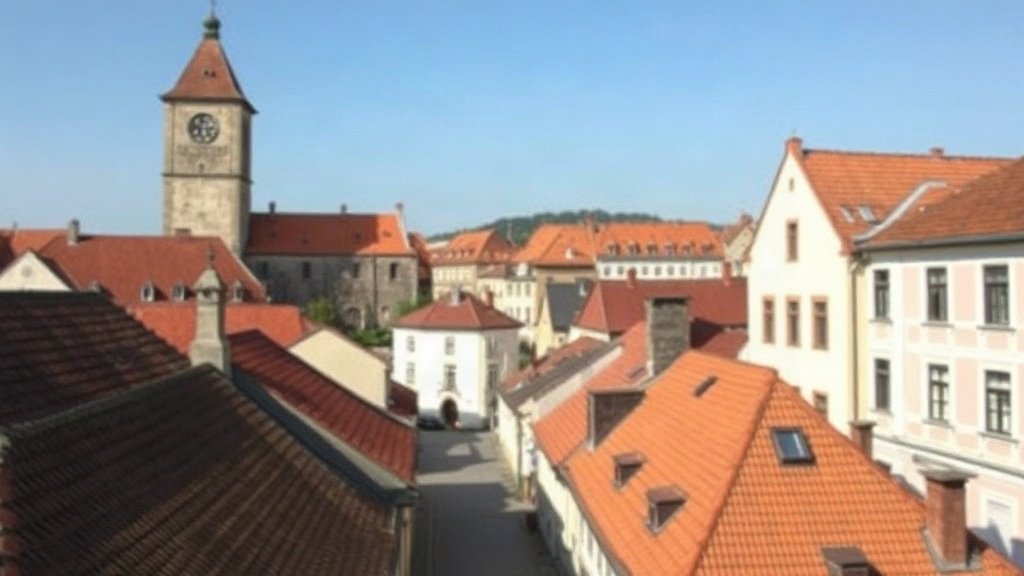
Illustration: AI-generated image
Sighișoara is one of the best-preserved inhabited medieval citadels in Europe and a UNESCO World Heritage site. Founded by Saxon settlers in the 12th century, the town still feels like a living museum, with cobbled lanes, pastel-coloured houses, and defensive towers that have stood for centuries. Tucked into the hills of Transylvania, it is a compact but richly atmospheric destination that rewards slow exploration.
What makes Sighișoara special
The old town, known as the Cetate (Citadel), sits on a hill above the modern lower town. It is surrounded by original defensive walls and entered through several gateways. Unlike many fortified settlements that are now ruins, Sighișoara's citadel remains a working neighbourhood, with homes, cafés, and small shops tucked inside its historic buildings. This blend of everyday life and medieval architecture is what makes it so memorable.
Exploring the citadel
Start at the Clock Tower (Turnul cu Ceas), the symbol of the city. Built in the 14th century, it rises 64 metres above the main square and houses a small history museum. From the top, you can see red-tiled roofs spread across the hill and the surrounding countryside.
Wander the narrow streets that radiate from the square. Look out for the Scholars' Stairs (Scara Școlarilor), a covered wooden staircase built in 1642 to protect schoolchildren on their way to the Church on the Hill. The church, high above the town, has medieval frescoes and a peaceful cemetery with old Saxon gravestones.
Sighișoara is also known as the birthplace of Vlad III, often called Vlad the Impaler, the historical figure who inspired the Dracula legend. The house where he is said to have been born is marked and now serves as a restaurant and small museum.
Of the original fourteen defence towers, nine survive. Each was maintained by a different craft guild, and many are named after them—such as the Tinsmiths' Tower and the Butchers' Tower. Walking the circuit of the walls gives a real sense of the town's medieval defences.
Practical tips for your visit
The citadel is compact and best explored on foot. Allow at least half a day to wander without rushing, though an overnight stay lets you experience the town after day-trippers leave. Early morning and late afternoon offer the softest light for photographs and the quietest streets.
Sighișoara is easy to reach by train or bus from Brașov, Cluj-Napoca, and Sibiu. The railway station is in the lower town, about a 15-minute uphill walk from the citadel. If you arrive by car, park in the lower town and walk up; the historic centre is largely pedestrianised.
Spring through autumn are the most comfortable seasons for exploring on foot, but winter brings a quiet, storybook atmosphere. There is no admission fee to enter the citadel itself, though some individual museums and towers charge a small entry.