Romanian Herbal Teas: A Practical Guide to Local Infusions
From calming linden to fragrant chamomile, Romania's wild herbal teas are a daily ritual and a gentle way to explore local flavours.
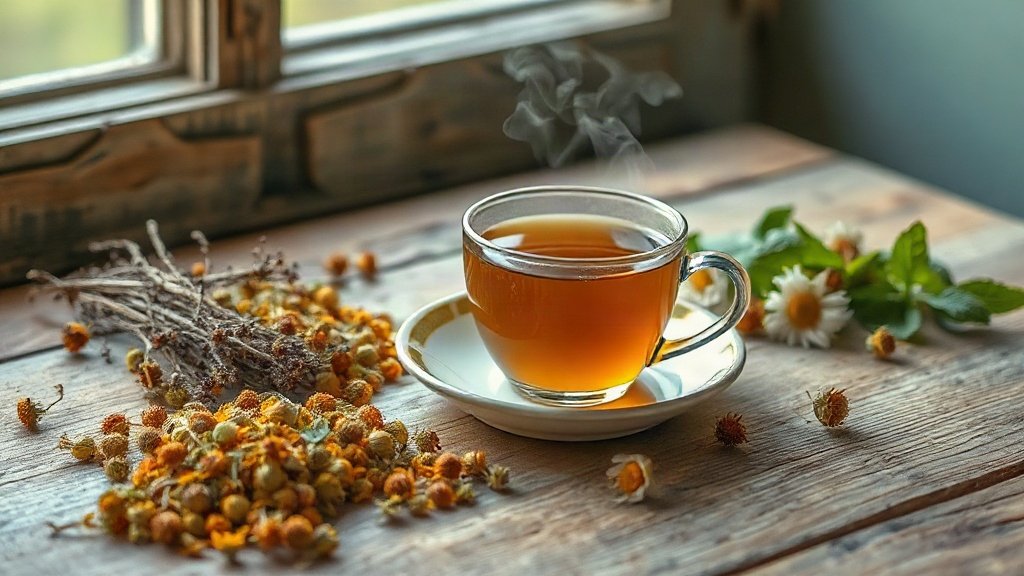
Illustration: AI-generated image
In Romania, a cup of herbal tea is more than just a hot drink—it is a quiet ritual, a folk remedy, and a reminder of the country's deep connection to meadows and forests. Made from wild plants gathered in summer and dried for the colder months, these infusions appear at breakfast, after meals, and whenever guests arrive. For visitors, trying them is an easy way to taste a part of Romanian daily life.
Common Herbal Teas and Their Flavours
Many of the herbs used for tea in Romania are familiar across Europe, but local varieties and preparation methods give them a distinctive character. Here are some of the most popular:
- Tei (linden flower) – perhaps the most beloved Romanian tea, with a delicate honey-like aroma. It is often drunk in the evening and is traditionally associated with relaxation and easing colds.
- Mușețel (chamomile) – mild and slightly sweet, this is a go-to for stomach comfort and a calm night's sleep.
- Mentă (mint) – fresh and cooling, usually made from wild or garden mint; it is also added to other teas for extra flavour.
- Sunătoare (St. John's wort) – earthy and slightly bitter, this tea is a traditional part of Romanian folk medicine, though modern drinkers enjoy it simply for its robust taste.
- Soc (elderflower) – fragrant and floral, elderflower tea is a springtime favourite, often combined with linden.
- Coada-șoricelului (yarrow) – a more unusual, bitter brew, typically taken only in small amounts for digestive comfort.
- Frunze de zmeur (raspberry leaves) – mild and slightly astringent, popular among women and commonly found in rural households.
How to Brew Romanian-Style Herbal Tea
Romanian herbal teas are usually made with dried herbs, which are steeped longer than black tea. A typical method: place one to two teaspoons of dried herb per cup in a warmed teapot, pour over just-boiled water, cover, and leave for five to ten minutes. For a stronger infusion, some households simmer the herbs gently on the stove for a few minutes. The tea is then strained and served plain, or with a spoonful of honey (miere) and sometimes a slice of lemon. In winter, tea is often accompanied by a small bowl of homemade jam or a slice of cozonac.
Where to Find and How to Store
Dried herbal teas are widely available in Romania: supermarkets stock commercial brands, while open-air markets and health food shops sell loose herbs from local producers. In late summer, you may see bunches of linden flowers or yarrow hanging to dry on balconies and in village courtyards. If foraging yourself, always be certain of plant identification and avoid areas treated with chemicals. Store dried herbs in airtight containers away from light, and they will keep their flavour for up to a year.
A Ritual of Hospitality
Offering a cup of tea is a standard Romanian gesture of welcome. In many homes, a pot of linden or chamomile tea is kept warm on the stove, ready to pour for a visitor or a family member returning from the cold. Drinking herbal tea is not just about taste but about slowing down—a small pause that connects modern Romanians to generations of foragers and gardeners. For anyone wanting to understand Romanian food culture beyond the hearty stews and grilled meats, a simple cup of tei or mușețel is a gentle introduction.