Romanian Cheeses: A Guide to Telemea, Caș and More
From crumbly telemea to creamy caș and tangy urdă, Romania's cheeses are a delicious window into the country's pastoral traditions.
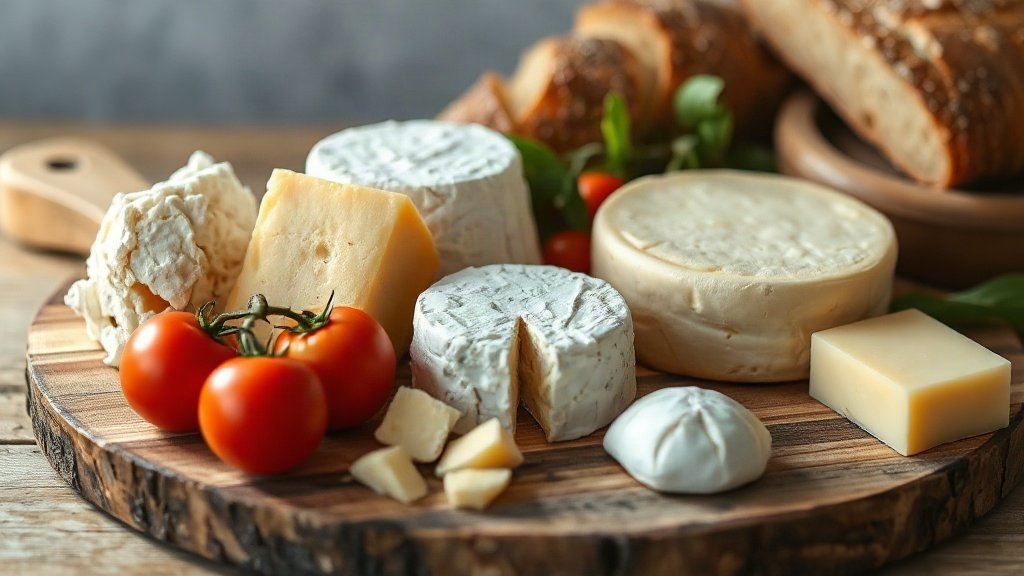
Illustration: AI-generated image
Romania's cheese-making heritage is as old as its pastoral traditions. From the Carpathian highlands to the Danube Delta, shepherds and farmers produce a remarkable variety of cheeses, many of which remain little known outside the country. This guide introduces the essential cheeses to try, how they are made, and how to enjoy them like a local.
Telemea: The Everyday Brined Cheese
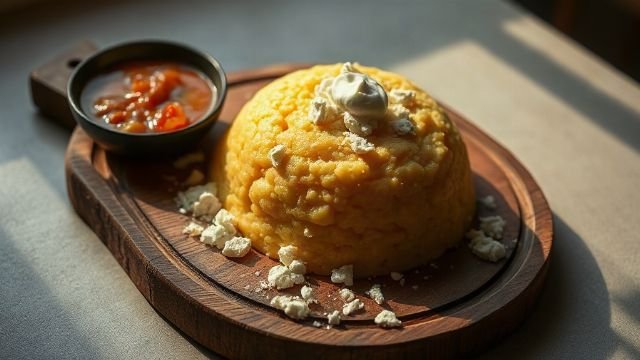
The most widely eaten Romanian cheese, telemea is a brined white cheese similar to feta but typically creamier and less salty. It can be made from sheep's, cow's, goat's, or buffalo's milk, with sheep's milk versions prized for their richer flavour. Fresh telemea is soft and crumbly; aged telemea becomes firmer and saltier. Locals eat it at nearly every meal: sliced with tomatoes and onions as a summer salad, crumbled over mămăligă, baked into pastries, or simply on bread with a drizzle of sunflower oil.
Caș: The Fresh Curd
Caș is a fresh, unripened curd cheese that is the starting point for many other Romanian cheeses. Mild, slightly sweet, and creamy, it is usually eaten within a day or two of production. Caș is beloved for its delicate texture and is often served for breakfast with fresh bread and spring onions. It also stars in plăcintă cu brânză (cheese pie) and is the base cheese that, when salted and pressed, becomes telemea.
Urdă: The Whey Cheese
Made from the whey left over after making caș or telemea, urdă is a soft, slightly grainy cheese similar to ricotta. It has a gentle, milky flavour and a low fat content. Urdă is commonly sweetened with honey and eaten as a dessert, or used as a filling for pancakes and pastries. In some regions, it is mixed with herbs and salt to make a savoury spread.
Brânză de Burduf: The Aged Shepherd's Cheese
This is Romania's most distinctive aged cheese, traditionally made from sheep's milk. Fresh caș is crumbled, salted, and sometimes mixed with herbs like thyme, then packed tightly into a sheep's stomach or a tube of pine bark to age for several weeks. The result is a creamy, pungent cheese with a strong, earthy flavour. Brânză de burduf is a mountain speciality, particularly associated with Transylvania and the Bukovina region. It is often eaten spread on bread or used to add depth to mămăligă.
Other Cheeses Worth Knowing
Beyond the big four, look for cașcaval, a semi-hard yellow cheese similar to cheddar or provolone, often made from cow or sheep milk. Șvaițer, a Swiss-style cheese with large holes, is also produced in some areas. Both are good for sandwiches and melting.
How to Enjoy Romanian Cheese
Romanian cheeses are best at room temperature. Arrange a simple platter with telemea, caș, urdă, and brânză de burduf, accompanied by fresh tomatoes, cucumbers, spring onions, and good country bread. Drizzle with a little sunflower or pumpkin seed oil. For a heartier meal, try cheese wrapped in grilled peppers, or make a quick paste of brânză de burduf with butter and paprika to spread on toast. Pair with local white wines like Fetească Regală or a crisp rosé; for stronger cheeses, a shot of palincă or țuică is traditional.
Where to Find and Buy
The best places to taste these cheeses are farmers' markets (piețe) and village fairs, where producers sell directly. In cities, look for them in supermarkets under brands like Delaco or Hochland, but for authentic, artisanal versions, seek out specialty shops or "magazin de produse tradiționale". If you're travelling in rural areas, ask for "brânză de stână" to try cheese straight from a sheepfold. Always check freshness: caș and urdă should be consumed within a few days, while telemea and brânză de burduf keep longer.
Romania's cheeses are a delicious expression of its landscape and heritage. Whether crumbled over a salad or savoured with a glass of wine, each variety tells a story of season and tradition. Next time you're in Romania, skip the generic cheese aisle and head to a market to taste the real thing.