Retezat National Park: A Hiker's Guide to Romania's Glacial Lakes
Romania's oldest national park is a high-altitude wonderland of more than 80 glacial lakes, rugged peaks and wildflower meadows. Here's how to explore it.
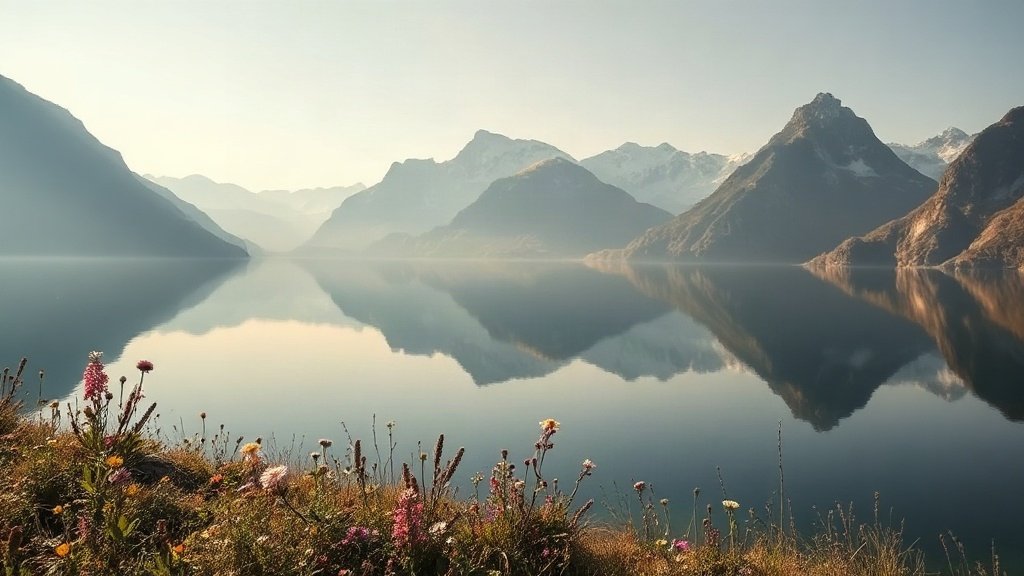
Illustration: AI-generated image
Retezat National Park, tucked into the southwestern corner of Transylvania, is the oldest national park in Romania and a paradise for mountain lovers. This corner of the Southern Carpathians protects a dramatic landscape of jagged peaks, deep valleys and more than 80 glacial lakes, carved by ancient ice. The highest summit, Peleaga, rises to 2,509 metres, and the park's unspoiled alpine meadows burst with wildflowers in early summer. For hikers looking for a wilder, less crowded alternative to the Bucegi or Făgăraș ranges, Retezat delivers.
Getting There
The park is most easily accessed from the towns of Hațeg, Petroșani and Lupeni, which sit on its northern and eastern edges. From these bases, narrow mountain roads lead to trailheads such as Poiana Pelegii, Râușor and Cârnic. Public transport is limited, so having your own vehicle is a big advantage. The nearest cities with good connections are Deva and Timișoara, both served by train and bus, but you will still need local transport to reach the trailheads.
Best Time to Visit
The hiking season runs roughly from June to September. Snow can linger on high trails well into June, and some paths may be impassable until then. July and August offer the most reliable weather, but afternoons often bring thunderstorms. September brings cooler temperatures, autumn colours and fewer hikers, though nights get cold early. Always check the forecast before setting out and be prepared for sudden changes.
Hiking Highlights
The most popular route leads from Poiana Pelegii to Bucura Lake, the largest glacial lake in the park, set in a stunning cirque beneath Peleaga and Retezat peaks. From there, experienced hikers can tackle the demanding climb to Peleaga or the slightly easier Retezat Peak. For those with more time, a multi-day circuit links several lakes and high passes, offering some of the finest ridge walking in Romania. Trails are marked according to the national system—red, blue and yellow stripes—but some sections are steep and rocky, requiring a good level of fitness and proper footwear.
Practical Tips
There is no entrance fee for the park, but camping is only allowed in designated areas near the main lakes. Water from mountain streams is generally clean, but treating it is wise. Bears and other wildlife are present, so make noise while walking, store food securely and never approach animals. The mountain rescue service (Salvamont) can be reached via the European emergency number 112. Bring layers, rain gear and plenty of food, as there are no shops or shelters inside the park.
Retezat rewards the effort with a sense of true wilderness that is increasingly rare in Europe. Its turquoise lakes, silent forests and far-reaching views will stay with you long after you descend.