Plugusorul: Romania's New Year Tradition of Plough Wishes and Prosperity
Discover Plugusorul, the Romanian New Year custom where children recite rhythmic verses while pulling a miniature plough to wish for a bountiful year.
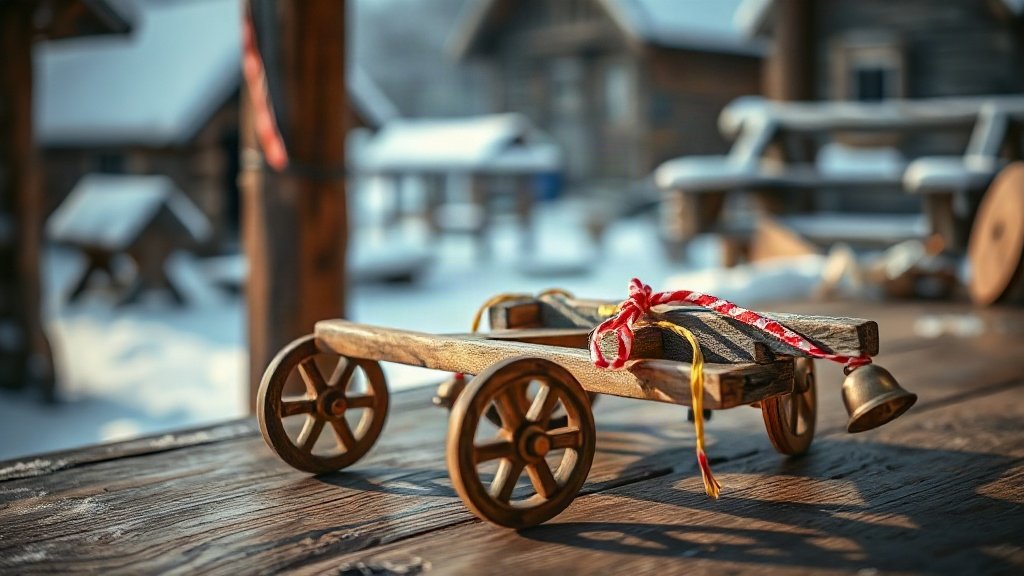
Illustration: AI-generated image
As the old year gives way to the new, many Romanian villages echo with the cheerful sound of bells, whip cracks, and rhythmic verses. This is Plugusorul (the little plough), a beloved New Year's tradition that blends ancient agricultural rites with communal joy and goodwill.
Practised on New Year's Eve or New Year's Day, Plugusorul involves groups of children or young men going from house to house carrying a small wooden plough, often decorated with colourful ribbons, paper flowers, and bells. They recite verses that describe the cycle of ploughing, sowing, and harvesting, wishing the household a prosperous and fruitful year ahead.
Ancient Roots and Symbolic Meaning
The origins of Plugusorul stretch back to pre-Christian agrarian rituals, when communities sought to ensure fertility of the land and a successful harvest. The plough, as the essential tool of farming, became a symbol of life, renewal, and abundance. Over centuries, the ritual absorbed Christian and folk elements, but its core purpose remains: to bless the home and fields for the coming year.
In some regions, the plough is accompanied by other symbolic objects, such as a whip (for driving away evil spirits) and a bell (to awaken the earth). The act of pulling the plough through the village is a re-enactment of the first furrow of the season, a magical invitation for nature to begin its cycle anew.
How the Ritual Unfolds
Typically, the participants knock on each door and ask permission to perform. Once welcomed, they begin their recitation with a traditional opening, often addressing the master of the house and wishing him good health and rich harvests. The verses are fast-paced and rhythmic, sometimes interspersed with the cracking of whips and the jingling of bells to create a lively, festive atmosphere.
The recitation describes the entire agricultural process in vivid detail: from ploughing the fields to sowing seeds, from the summer toil to the autumn harvest. It often includes humorous or exaggerated elements, such as the plough being pulled by oxen with golden horns, or fields so vast that the ploughman gets lost. This mix of reverence and playfulness delights both young and old.
At the end of the performance, the household rewards the visitors with small gifts: coins, sweets, or traditional pastries. In return, the group offers a final blessing for health, luck, and a bountiful year.
A Living Tradition
While Plugusorul is most vibrant in rural areas, it has not disappeared from modern life. Schools and community centres often organise performances to teach children about their heritage, and television programmes broadcast the ritual during the winter holidays. The verses, passed down orally for generations, continue to evolve, sometimes incorporating contemporary references while retaining their timeless wish for prosperity.
For visitors to Romania during the New Year period, witnessing Plugusorul is a delightful glimpse into the country's deep agricultural roots and its enduring sense of community. Whether performed by a group of excited children or a formal ensemble, the little plough brings a message of hope and renewal that resonates across centuries.