Nera Gorge: A Hiker's Guide to Romania's Turquoise Pools and Waterfalls
Discover one of Romania's most beautiful natural wonders in the Banat region. Nera Gorge offers a scenic hiking trail through a dramatic limestone canyon, past hidden turquoise springs and tumbling waterfalls.
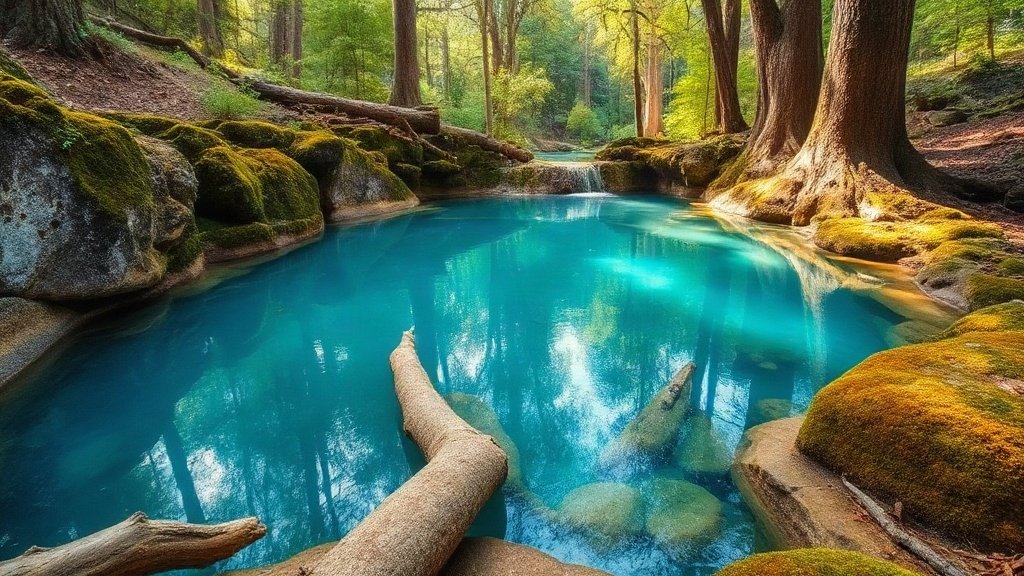
Illustration: AI-generated image
The Nera Gorge, tucked away in the southwestern corner of Romania's Banat region, is a hidden gem for hikers and nature lovers. Carved by the Nera River through the limestone of the Anina Mountains, the gorge stretches for around 20 kilometres, offering a landscape of sheer cliffs, lush forest, and crystal-clear water. Unlike the more famous Transfăgărășan or the painted monasteries of Bucovina, this spot remains wonderfully uncrowded, making it perfect for those seeking a peaceful adventure.
Why Visit Nera Gorge?
The gorge is part of the Nera Gorge–Beușnița National Park, a protected area known for its exceptional biodiversity. The river's turquoise colour, a result of dissolved limestone, is a constant companion along the trail. The main draw, however, is the remarkable Ochiul Beiului (the Bey's Eye), a stunning karst spring that forms a circular pool of deep blue water. Hidden in the forest just a short detour from the main path, this natural pool looks almost unreal. Nearby, the Beușnița Waterfall cascades over mossy tufa deposits in a series of gentle steps, creating a fairytale scene.
The Hiking Route
The most popular hike follows the river along a well-marked trail, typically starting from the hamlet of Podul Bei near the southern end of the gorge. The path is fairly flat and easy, making it accessible to most walkers, though there are a few rocky sections. The total distance to the waterfall and back is roughly 10 kilometres, taking around four hours at a leisurely pace. You'll wander through beech and hornbeam forest, cross small wooden bridges, and catch glimpses of the river below. Keep an eye out for kingfishers, dippers, and the occasional fire salamander.
Practical Tips
The best times to visit are late spring and early autumn, when water levels are moderate and the forest is at its most vibrant. Summers can be hot, but the gorge offers plenty of shade. The trail is not suitable for pushchairs or wheelchairs, and sturdy footwear is essential. There are no facilities along the route, so bring water and snacks. The nearest towns for accommodation are Oravița and Anina, both with a range of guesthouses and hotels. To get there, you'll need your own transport, as public options are limited; the approach roads from Oravița are scenic but narrow.
For an unforgettable experience, time your visit for early morning, when the mist rises off the river and the light filters through the trees. Whether you're a keen hiker or simply looking to escape into nature, Nera Gorge is a reminder that Romania's wild beauty extends far beyond the famous highlights.