Insulating Your Romanian Home: Cheap Ways to Stay Warm This Winter
From thick curtains to draught excluders, simple changes can make a big difference in a Romanian winter. Here's how to keep the cold out without major renovations.
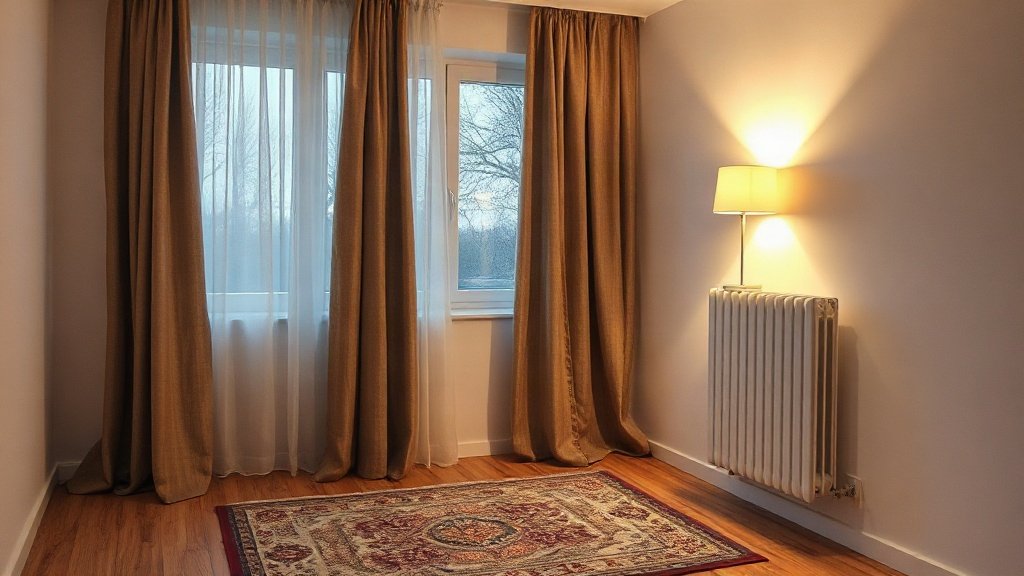
Illustration: AI-generated image
Romania's winters can be long and harsh, especially in regions like Transylvania and Moldavia. Many homes, particularly older apartments in communist-era blocks, are not as well insulated as modern constructions. But you don't need to spend a fortune on renovations to stay warm. Here are practical, affordable ways to keep the cold out and the heat in.
Start with the windows
Windows are often the biggest source of heat loss. If you have double glazing, make sure the seals are intact. For older single-glazed windows, consider applying transparent insulating film, which creates an air pocket that reduces draughts. Another cheap fix is to fill any gaps with self-adhesive foam tape or silicone sealant. Thick, floor-length curtains also help: close them at dusk and tuck them behind the radiator if possible to direct heat into the room.
Keep floors warm
Cold floors can make a whole room feel chilly. In older buildings, gaps between floorboards let cold air rise from below. Fill these with wood filler or use rugs and carpets, which add insulation and comfort. In kitchens and bathrooms, where tiles are common, a simple rug can make a big difference. If you have a cellar or unheated space below, adding a layer of insulation under the floor is more involved but very effective.
Make the most of your radiators
Central heating is the most common system in Romanian cities, with radiators in each room. To get the most from them, remove any furniture blocking them and avoid drying clothes directly on top, which reduces efficiency. Bleeding radiators once a year releases trapped air and improves performance. Reflective panels placed behind radiators on external walls bounce heat back into the room – you can buy these or make your own with foil-covered cardboard.
Draught-proof doors and other gaps
Check for draughts around external doors. Self-adhesive weatherstripping is cheap and easy to install. A simple draught excluder – a rolled towel or a fabric snake filled with rice or beans – at the bottom of the door stops cold air from entering. Don't forget keyholes and letterboxes; small covers are available for these. In older buildings, gaps around pipes and cables where they enter the home can also be sealed with expanding foam or caulk.
Use heat wisely
At night, lower the temperature slightly and use thicker duvets. During the day, open curtains on south-facing windows to let in sunlight, but close them as soon as it gets dark. If you have rooms that are rarely used, close the doors to keep the heat in the living areas. Finally, dress for the season: wearing layers indoors means you can keep the thermostat a degree or two lower without feeling cold.
Keep air circulating to avoid damp
A well-insulated home still needs ventilation to prevent condensation and mould, which are common in older blocks. Open windows briefly each day, especially after cooking or showering, and use extractor fans if available. This also helps maintain a healthy indoor environment during the cold months.
These small changes can reduce heat loss and make your home noticeably more comfortable. While major insulation works may be worth it in the long run, starting with these simple steps can help you get through the winter more affordably.