How to Use Romanian Pharmacies: A Practical Guide for Newcomers
Finding the right medicine in a new country can feel daunting, but Romanian pharmacies are well-regulated and easy to use once you know the basics.
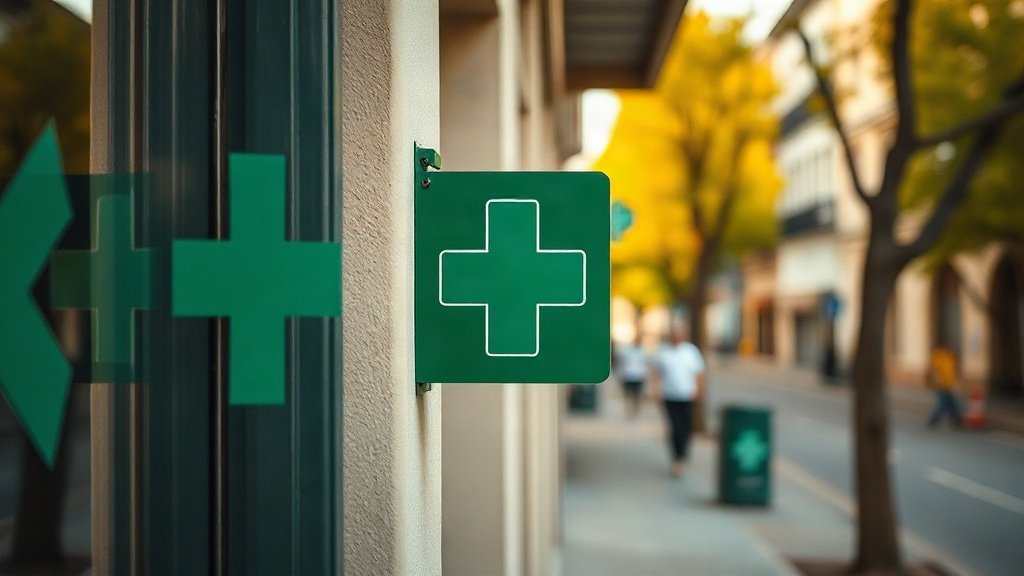
Illustration: AI-generated image
When you move to Romania, one of the first everyday tasks you’ll need to master is getting hold of medicines. The good news is that pharmacies – called farmacie in Romanian – are plentiful in every town and neighbourhood, clearly marked with a green cross, and staffed by trained pharmacists who can offer advice in English in most urban areas. Here’s what you need to know to navigate them confidently.
What You Can Buy Over the Counter
Unlike in some countries where you can pick up painkillers or cough syrup at the supermarket, in Romania all medicines are sold exclusively in pharmacies. However, many common remedies for minor ailments – such as paracetamol, ibuprofen, antihistamines, throat lozenges and basic cold treatments – are available without a prescription. You simply ask for them at the counter; they are often kept behind the pharmacist rather than on open shelves.
Prescription Medicines and E-Prescriptions
For anything stronger, you will need a prescription from a Romanian doctor. Since 2021, prescriptions have largely become electronic: your doctor will send an e-prescription directly to your health card or give you a code (often via SMS or email) that you present at the pharmacy. If you have a paper prescription from another EU country, it may be accepted under certain conditions, but it is always best to check with a Romanian GP first. Pharmacists are not allowed to dispense prescription-only medication without a valid Romanian prescription.
Generic vs Brand-Name Medicines
When you hand over a prescription, the pharmacist will often ask if you would like the generic version of the medicine. Generics contain the same active ingredient as brand-name drugs but are significantly cheaper, and most Romanians opt for them. Don’t be surprised if a brand you recognise from home is not available; instead, ask for the active substance (the Latin name is usually printed on the box). Pharmacists are happy to explain the difference and help you make an informed choice.
24-Hour Pharmacies and Duty Rota
Most pharmacies in Romania are open during normal business hours, roughly 8:00–20:00, Monday to Friday, with shorter hours on Saturdays. However, every town designates at least one pharmacy as a farmacie de serviciu – a duty pharmacy that stays open through the night and on Sundays. You can find the current list posted on the door of any pharmacy or by searching online for “farmacie de serviciu” plus your town name. In Bucharest and other large cities, several 24-hour pharmacies operate around the clock.
Tips for a Smooth Visit
- Carry your ID or health card – if you are picking up a prescription, the pharmacist may need to verify your identity against the e-prescription record.
- Write down the active ingredient – if you are unsure of the Romanian name for a medicine, having the Latin or international name will speed things up.
- Ask for advice – pharmacists in Romania are well trained and can recommend appropriate over-the-counter remedies for minor ailments like colds, allergies or upset stomachs.
- Payment – most pharmacies accept debit and credit cards, though having a little cash on hand is useful for small purchases in rural areas.
With a little preparation, buying medicine in Romania is straightforward and safe. The system is designed to ensure that you get the right treatment, and pharmacists are there to guide you every step of the way.