How to Store Food the Romanian Way: Cămara and Beci Basics
Discover the traditional Romanian methods for keeping vegetables, fruit, preserves and cured meats through the seasons, using a pantry and root cellar.
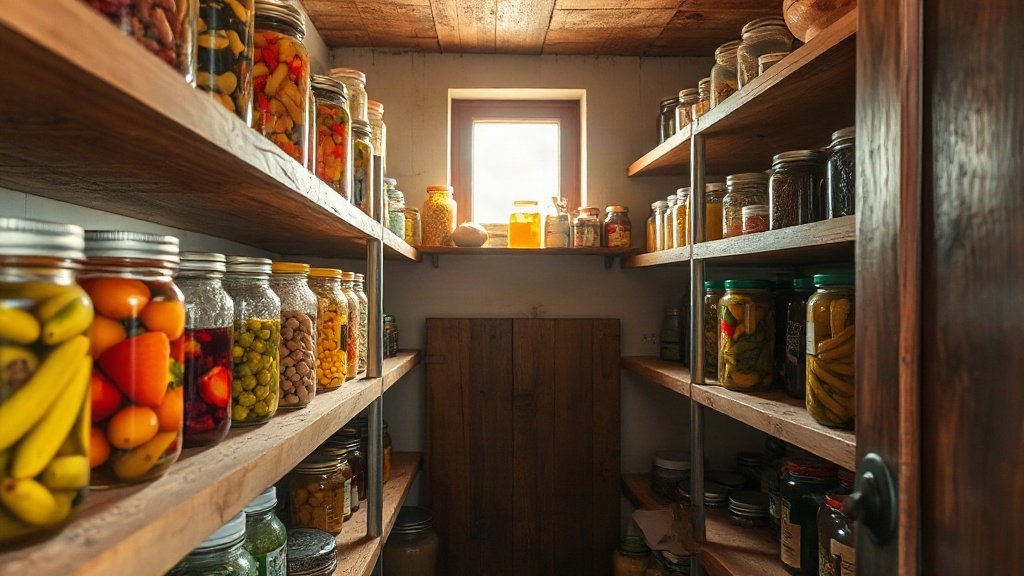
Illustration: AI-generated image
In many Romanian homes, the rhythm of the seasons is marked not just by the weather, but by the filling and emptying of two cherished spaces: the cămara (pantry) and the beci (root cellar). These traditional storage areas have been used for generations to keep food fresh without modern refrigeration, relying on cool, dark and well-ventilated conditions. Even in modern apartments, many of these ideas can be adapted to a cupboard, balcony or dedicated storage box.
The Cămara: Romania's Traditional Pantry
The cămara is typically a small, unheated room or large cupboard, often located near the kitchen or in a cool part of the house. It is used for storing non-perishable goods, homemade preserves and root vegetables that do not require extreme cold. Ideally, it stays between 10°C and 15°C, with low humidity and good air circulation. If you are lucky enough to have a dedicated cămara, keep it organised with open shelving, wire baskets and labelled jars.
The Beci: Root Cellar Basics
A beci is a traditional cellar, often dug into a hillside or under the house, where temperatures remain stable at around 4°C to 10°C and humidity is higher. This is the perfect spot for storing apples, potatoes, carrots, cabbages and other hardy crops over winter. The key is to keep the space dark, slightly humid but not damp, and free from pests. In apartment living, a cool garage, balcony storage box or even a dedicated fridge drawer can mimic these conditions.
Storing Fresh Vegetables and Fruit
Romanian households often store root vegetables in boxes of dry sand or sawdust to prevent them from shrivelling or sprouting. Potatoes are kept in burlap sacks or wooden crates, away from light to avoid greening. Onions and garlic are braided or hung in mesh bags in a dry, airy spot. Apples are wrapped individually in paper and placed in single layers, as one bad apple can spoil the rest. Cabbages are hung upside down by their roots or kept on slatted shelves.
Preserving the Harvest
The cămara shelves are lined with jars of zacuscă, pickled cucumbers, varză murată (fermented cabbage), fruit compotes and jams. These preserves are made in late summer and autumn, then stored in a cool, dark place. Lids must be properly sealed, and jars should be checked regularly for any signs of spoilage. For fermented foods like cabbage, the liquid should cover the vegetables, and a weight is often placed on top to keep them submerged.
Cured Meats and Dairy
In rural areas, the beci is also used to hang cured sausages, smoked bacon and hams, which benefit from the cool, slightly humid air. Hard cheeses are wrapped in cloth and stored on wooden boards. In modern homes, these items can be kept in a dedicated fridge or a cool larder. Always ensure proper air circulation and check for mould, which can be trimmed from hard cheeses but not from soft ones.
Practical Tips for Modern Homes
- Use a north-facing balcony or unheated spare room for a makeshift root store in winter.
- Invest in a few wooden crates or breathable fabric bags for potatoes and onions.
- Keep a simple inventory list on the pantry door to track what needs using first.
- Store preserves away from direct sunlight and sources of heat.
- If you lack a cellar, a small second-hand fridge set to a warmer temperature can work for root vegetables.
Adapting these traditional methods not only connects you to Romanian food culture but also reduces waste and helps you enjoy local, seasonal produce all year round.