How to Make Romanian Dill Pickles: A Simple Home Recipe
Learn how to make traditional murături de castraveți at home with just a few ingredients and patience. Perfect for adding a tangy crunch to salads, sandwiches and winter meals.
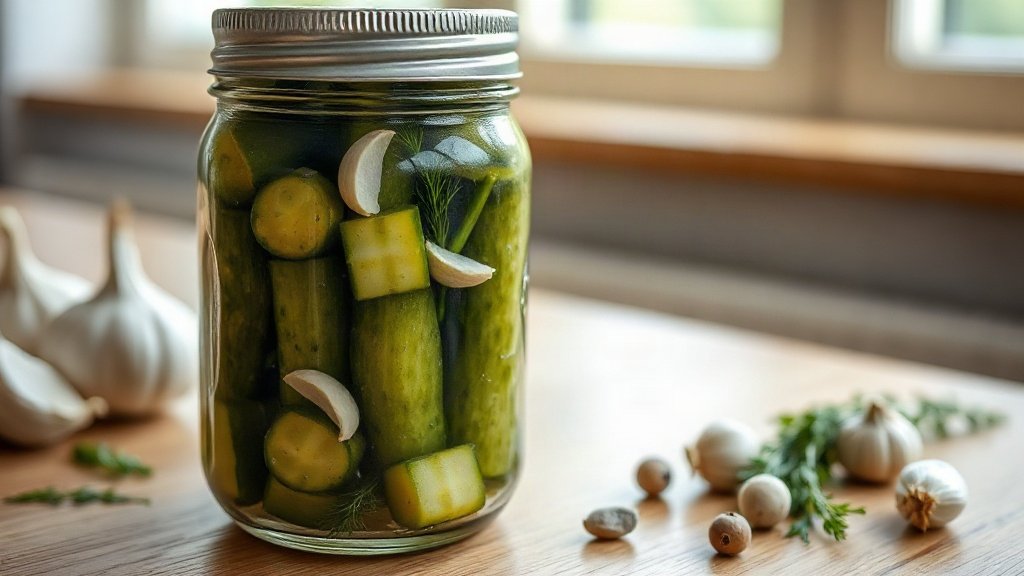
Illustration: AI-generated image
Few things capture the taste of a Romanian summer like a jar of homemade dill pickles, known locally as murături de castraveți. These tangy, crunchy cucumbers are a staple in Romanian larders, prepared in late summer and early autumn to be enjoyed throughout the colder months. Making them at home is straightforward, requires no special equipment, and rewards you with a flavour far superior to most shop-bought versions.
Choosing the right cucumbers
The key to great pickles is starting with the right cucumbers. Look for small, firm gherkin-type cucumbers, often sold specifically for pickling at Romanian markets in late summer. Avoid large salad cucumbers, which become soft and watery when fermented. The cucumbers should be fresh, with no soft spots or blemishes, and ideally all similar in size so they pickle evenly.
Ingredients and equipment
For a traditional batch you will need:
- 1 kg small pickling cucumbers
- 1.5 litres water
- 2 tablespoons coarse salt (non-iodised)
- 4–5 cloves garlic, peeled and lightly crushed
- A few sprigs of fresh dill, including stems and flowers if available
- 1 teaspoon whole black peppercorns
- 1 teaspoon mustard seeds (optional)
- A small piece of horseradish root or a few cherry leaves (to keep pickles crunchy)
You will also need a large glass jar or ceramic crock with a lid, thoroughly washed and sterilised. A weight to keep the cucumbers submerged is helpful, such as a small plate or a clean stone.
Step-by-step method
1. Prepare the brine: Dissolve the salt in the water to make a 4–5% brine solution. Stir until completely dissolved; you should not see any salt crystals.
2. Pack the jar: Place the dill, garlic, peppercorns and mustard seeds at the bottom of the jar. Pack the cucumbers tightly on top, standing them upright if possible, but any arrangement is fine. Tuck the horseradish or cherry leaves among them.
3. Add the brine: Pour the brine over the cucumbers until they are completely covered, leaving about 2 cm of headspace at the top of the jar. Place a weight on top to keep the cucumbers submerged.
4. Ferment: Cover the jar loosely with a lid or a clean cloth secured with a rubber band. Leave it at room temperature, away from direct sunlight. Fermentation will begin within a day or two; you may see small bubbles and the brine will turn slightly cloudy. This is normal.
5. Taste and store: After 5–7 days, taste a pickle. If you prefer a stronger sour flavour, leave it to ferment a few days longer. Once the desired tanginess is reached, seal the jar tightly and move it to a cool, dark place such as a cellar, pantry or the fridge. The pickles will keep for several months when stored cool.
Serving and enjoying
Romanian dill pickles are wonderfully versatile. Serve them alongside grilled meats, add them to salads, chop them into tartar sauce, or simply enjoy them as a crunchy snack with a slice of fresh bread. They also make a lovely addition to a meze platter with cheese, cold cuts and other pickles. The leftover brine can even be used as a base for ciorbă or to add a tangy kick to salad dressings.
Making your own pickles is a rewarding way to preserve the taste of summer and connect with a cherished Romanian tradition. With a little patience and these simple steps, you will soon have a jar of homemade murături to be proud of.