How to Make Plăcintă: Romania's Traditional Sweet and Savoury Pastry
Plăcintă is a beloved Romanian homemade pastry, filled with sweet cheese, apple, pumpkin or savoury cabbage. Here is a simple guide to making it at home.
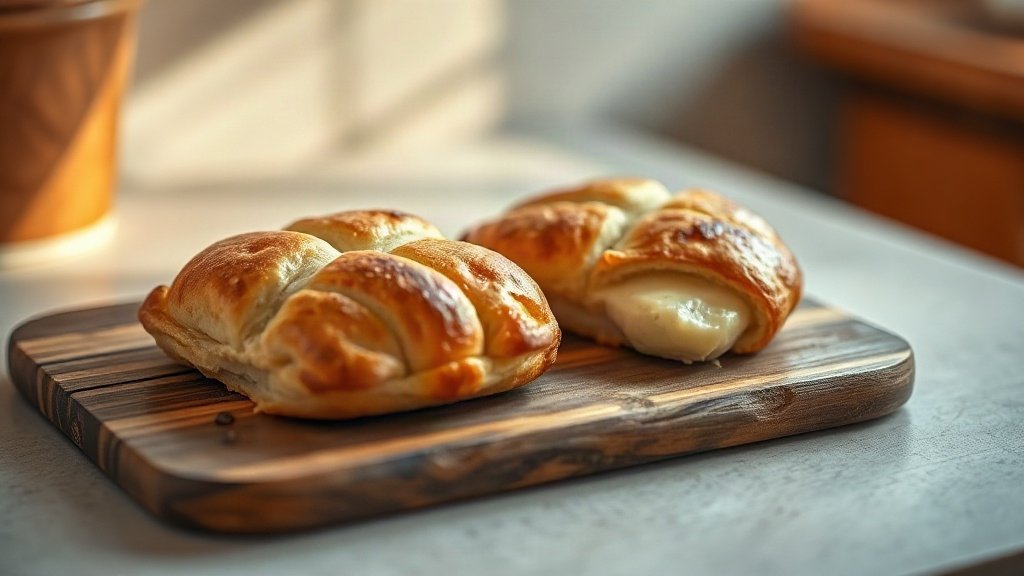
Illustration: AI-generated image
Plăcintă (pronounced plah-chin-tah) is one of Romania's most cherished homemade pastries. Its name comes from the Latin placenta, meaning flat cake, and it has been part of local cooking for centuries. Every region and every family has its own version, but the idea is always the same: a thin, tender dough wrapped around a generous filling, then baked or fried until golden. Whether you prefer a sweet cheese filling or a savoury cabbage one, plăcintă is a comforting treat that is surprisingly easy to make at home.
What Makes Plăcintă Special
Unlike a pie with a thick crust, traditional plăcintă uses a dough that is rolled as thin as possible, sometimes almost transparent. This creates delicate layers that crisp up beautifully. The dough can be unleavened, similar to pasta, or slightly enriched with oil, sour cream or yogurt for extra flavour. Some recipes also use a little yeast, but the simplest versions rely on plain flour, water, salt and a splash of oil.
The fillings differ widely. Sweet plăcintă often features brânză de vaci (fresh cow's cheese) mixed with sugar, eggs, raisins and vanilla, or grated apples with cinnamon and sugar. Savoury versions may include finely chopped cabbage cooked with onion, mashed potatoes with dill, or even a mixture of cheese and fresh herbs. In many households, plăcintă is made for holidays, family gatherings or as a hearty snack on market days.
Ingredients for a Basic Dough
For about six medium-sized pastries, you will need:
- 500 g plain flour, plus extra for dusting
- 250 ml lukewarm water
- 2 tablespoons vegetable oil or melted butter
- 1 teaspoon salt
- 1 tablespoon vinegar or lemon juice (helps the dough stay tender)
Some cooks replace half the water with plain yogurt or add a beaten egg for a richer dough. The key is to knead well until smooth and elastic, then let it rest before rolling.
Step-by-Step Method
- Make the dough. In a large bowl, mix the flour and salt. Make a well in the centre and add the water, oil and vinegar. Stir with a fork until a rough dough forms, then turn onto a floured surface and knead for 8–10 minutes until smooth and no longer sticky. Cover with a clean tea towel and rest for at least 30 minutes.
- Prepare the filling. For a classic sweet cheese filling, mix 500 g brânză de vaci with 2–3 tablespoons sugar, 1 egg, a handful of raisins and 1 teaspoon vanilla extract. For a savoury cabbage filling, cook 500 g finely shredded cabbage in a little oil with one chopped onion until soft, then season with salt, pepper and fresh dill.
- Divide and roll. Cut the rested dough into six equal pieces. On a lightly floured surface, roll each piece into a thin circle, about 20–25 cm in diameter. The thinner the dough, the crisper the finished pastry.
- Fill and seal. Place a generous spoonful of filling in the centre of each circle. Fold the edges up over the filling, pleating as you go, leaving a small opening in the middle or sealing completely. Flatten gently with your palm.
- Cook. Plăcintă can be baked in a preheated oven at 200°C for 20–25 minutes until golden, or fried in a lightly oiled pan over medium heat for 3–4 minutes per side. Fried plăcintă is especially popular for savoury versions.
- Serve. Sweet plăcintă is delicious warm, dusted with icing sugar. Savoury plăcintă goes well with a spoonful of sour cream or a side of fresh salad. They are best eaten the same day, though leftovers can be reheated in a dry pan.
Tips for Success
If the dough keeps springing back when you roll it, let it rest a little longer. The gluten needs time to relax. For extra flaky layers, brush the rolled dough with a little melted butter or oil before adding the filling. And do not be shy with the filling – a plăcintă should feel generous, with the dough acting as a crisp envelope rather than a thick crust.
Making plăcintă at home is a wonderful way to connect with Romanian food culture. It is forgiving, adaptable and always brings people to the table. Once you master the basic dough, you can experiment with your own favourite fillings, from seasonal fruit to herbed potatoes.