How to Celebrate a Romanian Name Day: A Practical Guide
In Romania, many people celebrate their name day—the feast day of the saint they are named after—with as much enthusiasm as a birthday. Here's how to navigate the tradition, from finding your date to choosing a thoughtful gift.
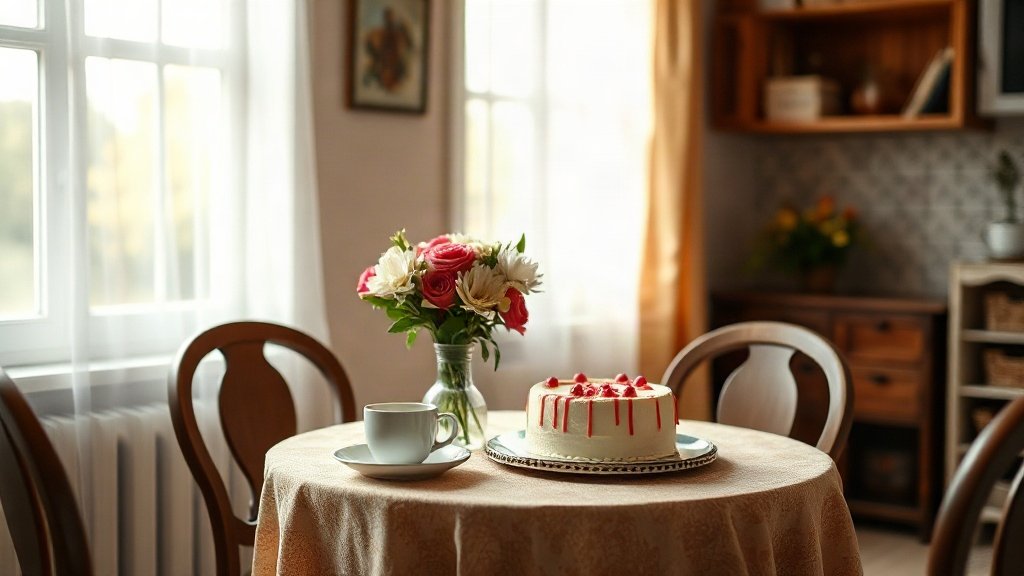
Illustration: AI-generated image
In Romania, a name day—known as ziua onomastică or simply onomastica—is a celebration of the saint or biblical figure after whom a person is named. For many Romanians, it is just as important as a birthday, sometimes even more so, especially among older generations and in rural areas. If you live in Romania or have Romanian friends or colleagues, understanding this tradition will help you navigate social life with confidence and warmth.
What is a name day?
A name day marks the feast day of the saint that shares a person's name. In the Orthodox Christian calendar, nearly every day of the year honours at least one saint. People named after that saint celebrate on that date. For example, everyone named Ion (John) celebrates on 7 January, the feast of St John the Baptist, while those named Maria celebrate on 15 August, the Dormition of the Mother of God.
The tradition has deep roots in Romania and across the Orthodox world. It is not just a religious observance but also a social custom: friends, family and colleagues offer congratulations and small gifts.
How to find your name day
If you have a name that corresponds to a saint, your name day is the saint's feast day. Popular names like Andrei, Elena, Gheorghe, Mihai and Ana all have designated dates. For uncommon names, people often look up the nearest saint with a similar name or simply choose a date when no saint is celebrated—some calendars include "floral" name days for flower names like Florin or Crina.
You can easily find a name day calendar online or in printed Orthodox calendars sold in bookshops and churches. Many Romanians know their name day by heart, but if you are unsure, ask a local friend or check a reliable source.
How Romanians celebrate
The way a name day is celebrated varies. At work or school, colleagues and classmates may offer a simple "La mulți ani!" (the standard greeting for any celebration) and perhaps a small token like flowers or chocolates. At home, the person celebrating often hosts a gathering, offering coffee, cake and drinks. In more traditional households, the family may attend a church service in the morning.
Unlike birthdays, there is no expectation of a large party or expensive gifts, but hospitality is key. If you are invited to a name day celebration, it is polite to bring a small gift or at least flowers.
What to give
Gift-giving for name days is similar to birthdays but usually more modest. Common choices include:
- Flowers – always appropriate, especially for women; for men, a bottle of wine or spirits is customary.
- Chocolates or sweets – a safe and welcome option.
- A small personal item – such as a book, a scarf, or a decorative object.
- For close friends or relatives, a more substantial gift may be given, but it is not required.
If you are not sure, a simple card with a handwritten note and the phrase "La mulți ani!" is perfectly acceptable.
Etiquette for guests
If you are invited to a name day gathering, treat it like a relaxed birthday. Arrive on time or a little later, bring a small gift or flowers, and be ready to enjoy coffee, cake and conversation. There is no need to bring a dish unless asked, but a box of chocolates or a bottle of something is always appreciated.
When greeting the person celebrating, say "La mulți ani!" (literally "to many years") and perhaps offer a kiss on the cheek, as Romanians often do among friends. It is also common to congratulate family members of the person, as the day is seen as a celebration for the whole family.
Name days vs birthdays
While birthdays are increasingly popular, especially among younger people, name days remain an important part of Romanian social life. Many Romanians celebrate both, but for some—particularly older generations—the name day holds the deeper tradition. In the workplace, colleagues often keep a list of name days to ensure no one is forgotten. It is a gesture that strengthens community and shows care.
A few well-known name days
Here are just a few common Romanian names and their corresponding feast days to give you a sense of the calendar:
- Ion – 7 January (St John the Baptist)
- Gheorghe – 23 April (St George)
- Constantin și Elena – 21 May (Saints Constantine and Helen)
- Maria – 15 August (Dormition of the Mother of God)
- Andrei – 30 November (St Andrew, Romania's patron saint)
These dates are fixed each year, so you can mark your calendar and never miss a chance to wish someone well.