Fluier: Romania's Traditional Shepherd's Flute
Discover the fluier, Romania's end-blown shepherd's flute, and explore its place in the country's vibrant folk music tradition.
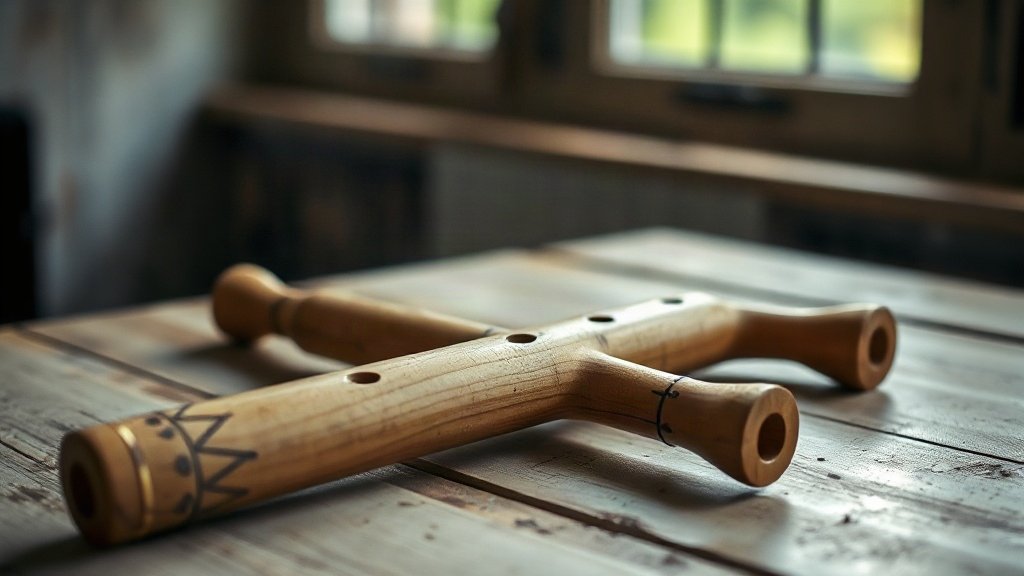
Illustration: AI-generated image
The fluier is one of the most recognisable sounds of Romanian folk music. This simple end-blown flute, often associated with shepherds in the Carpathian Mountains, has a voice that can be both plaintive and joyful, carrying melodies that have echoed through valleys for centuries.
Unlike the more complex nai (panpipes) or the bagpipe-like cimpoi, the fluier is a modest instrument: a wooden tube with six finger holes and a mouthpiece. Yet within that simple design lies a remarkable expressive range, capable of producing everything from slow, melancholic doinas to rapid, foot-tapping dance tunes.
Types of fluier
There are several regional variations of the fluier. The most common is the fluier drept, a straight flute, but there are also fluier cu dop (with a fipple, similar to a recorder) and fluier gemănat, which has two pipes played together for a drone effect. Sizes vary; the smaller fluier is often used for dance music, while larger models provide a deeper tone suitable for slower pieces.
How the fluier is made
Traditionally, the fluier is carved from hardwoods such as plum, cherry, or walnut. The maker selects a straight branch, bores out the centre, and carefully measures and cuts the finger holes to achieve the correct tuning. The mouthpiece is shaped to allow the player to blow across a sharp edge, producing the sound. Some fluier are decorated with simple carvings or brass rings, but the emphasis is always on the quality of the sound.
Playing techniques and repertoire
The fluier is typically played solo, though it can accompany other instruments or singing. A skilled player uses techniques like vibrato, grace notes, and bending pitches to give the music its characteristic ornamentation. The repertoire includes doinas—free-form, improvised pieces expressing longing and connection to nature—as well as dance tunes like horas, sârbe, and învârtite, many of which were composed for the fluier.
The fluier in Romanian culture
The instrument appears in folk tales and legends, often played by shepherds who use its music to calm flocks or to communicate across mountain pastures. It has also found a place in modern interpretations of Romanian music, with some contemporary folk bands incorporating the fluier into their arrangements while staying true to its traditional techniques.
For anyone interested in Romanian folk culture, the fluier offers a direct link to the country's rural heritage. Its sound is instantly evocative of highland landscapes and a pastoral way of life that persists in many regions. While learning to play requires patience, even listening to recordings or live performances at folk festivals can deepen appreciation for this enduring craft.