Făt-Frumos: Romania's Beloved Fairy Tale Prince
Discover the heroic figure who appears in so many Romanian folk tales, from his golden hair to his magical deeds, and why he remains a symbol of courage and kindness.
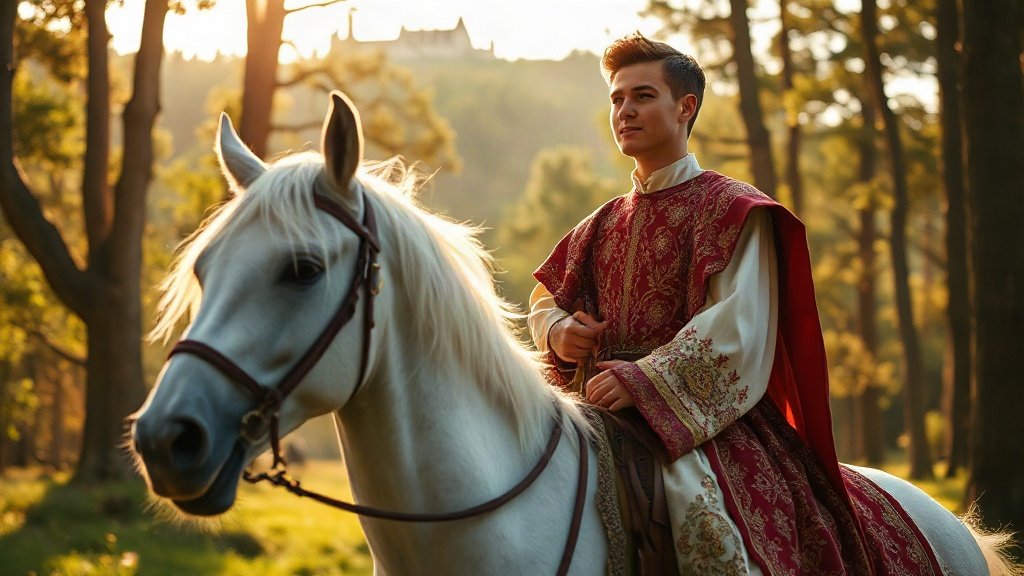
Illustration: AI-generated image
Every culture has its archetypal hero, and in Romania that role belongs to Făt-Frumos. Literally translated as "Handsome Youth" or "Prince Charming", he is the central figure in a vast collection of folk tales that have been passed down through generations. Far more than a simple romantic lead, Făt-Frumos embodies the virtues of bravery, cleverness, and compassion, making him a beloved and enduring symbol in Romanian storytelling.
Who is Făt-Frumos?
Făt-Frumos is typically depicted as the youngest son of a king or a peasant, often overlooked by his older brothers but destined for greatness. He is almost always described as having golden hair, eyes that shine like stars, and a face as bright as the sun and moon. His physical beauty, however, is merely a reflection of his inner qualities: he is humble, kind to animals and strangers, and unafraid to face impossible odds.
Unlike heroes who rely solely on brute strength, Făt-Frumos frequently succeeds through wit, patience, and the help of magical allies. He converses with animals, receives gifts from fairies, and often befriends creatures like the wolf, the falcon, or the ant, who later repay his kindness in moments of need. This emphasis on moral character over raw power is a defining feature of Romanian fairy tales.
Famous Tales of Făt-Frumos
Some of the most celebrated stories featuring Făt-Frumos include "Făt-Frumos cu părul de aur" (Făt-Frumos with the Golden Hair), "Făt-Frumos și fata din măr" (Făt-Frumos and the Girl from the Apple), and "Făt-Frumos din lacrimă" (Făt-Frumos Born from a Tear). Each tale follows a similar pattern: the hero sets out on a quest, often to rescue a maiden, defeat a dragon or a witch, or retrieve a magical object. Along the way, he faces trials that test his resolve and moral fibre.
In many stories, Făt-Frumos must outsmart the Zmeu, a dragon-like ogre who terrorises the land. Other recurring adversaries include the Scorpia (a monstrous hag) and the Muma Pădurii (Mother of the Forest), all of whom represent chaos and evil. The hero's victory is never achieved alone; he relies on his loyal horse, often a magical creature itself, and the allies he has earned through good deeds.
Cultural Significance
Făt-Frumos is more than a character in bedtime stories. He represents an ideal of masculinity that values gentleness alongside strength. In a culture deeply connected to the land and to tradition, his tales reinforce the importance of respect for nature, gratitude for kindness, and the belief that even the youngest or most overlooked person can achieve great things.
These stories have been collected and retold by renowned folklorists such as Petre Ispirescu and Mihai Eminescu, ensuring their place in the national literary canon. Today, Făt-Frumos continues to appear in children's books, animated films, and even contemporary art, demonstrating the timeless appeal of this prince who wins not by the sword alone, but by the goodness of his heart.
How to Enjoy These Tales Today
For readers wishing to delve into the adventures of Făt-Frumos, many collections are available in both Romanian and English translations. Look for anthologies of Romanian folk tales, which often group several stories together. Reading them aloud, as they were traditionally shared during long winter evenings, offers a special charm. While each tale stands alone, recurring motifs create a rich tapestry that reflects the values and imagination of the Romanian people.