Dulceață: Romania's Traditional Fruit Preserve Worth Making
Discover dulceață, the beloved Romanian fruit preserve made from whole fruits in glossy syrup. Learn how it's made, the best fruits to use and how to enjoy it.
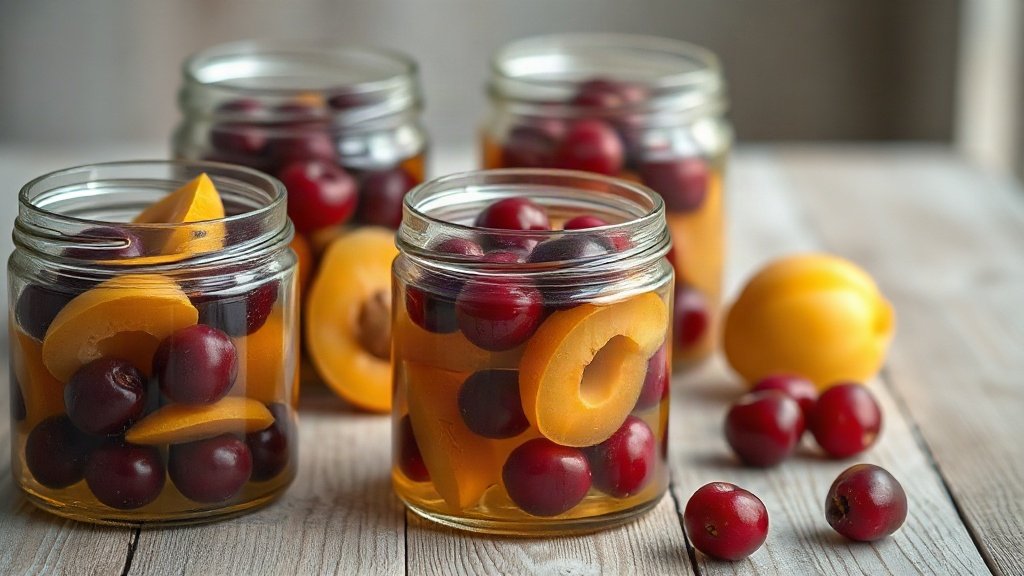
Illustration: AI-generated image
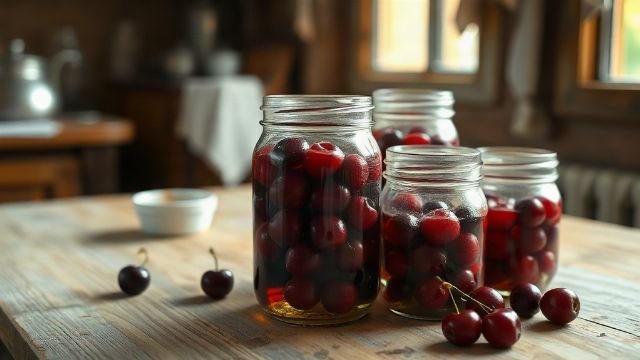
Walk into any Romanian home and you're likely to find at least one jar of dulceață in the pantry. This traditional fruit preserve is more than just a sweet spread — it's a taste of summer captured in a jar, a symbol of hospitality and a staple of Romanian family life. Unlike Western jams or jellies, dulceață keeps the fruit whole or in large pieces, suspended in a clear, glossy syrup. The result is a delicate, spoonable treat that showcases the true flavour of the fruit.
What makes dulceață different from jam?
Jam is typically made by crushing fruit and cooking it with sugar until thick and spreadable. Dulceață takes a different approach. Whole fruits or large pieces are gently simmered in a sugar syrup until they become translucent and tender, but still hold their shape. The syrup remains relatively thin, with a light, honey-like consistency. No pectin is added; the natural pectin in the fruit, along with the sugar concentration, is enough to give the preserve its characteristic set.
The key to good dulceață is patience. The fruit is usually soaked in sugar first, then cooked in several short bursts over a few days. This slow process helps the syrup penetrate the fruit gradually, preventing it from shrivelling or becoming tough. The result is a preserve that is as beautiful to look at as it is to eat.
Fruits and flavours to try
Almost any fruit can be used for dulceață, but some are particularly beloved in Romania:
- Sour cherries (vișine) – the classic choice, with a perfect balance of tart and sweet.
- Apricots (caise) – halved or whole, they become jewel-like in the syrup.
- Quince (gutui) – its natural pectin gives a lovely thick syrup and a fragrant, honeyed taste.
- Strawberries (căpșuni) – delicate and pretty, though they require careful handling.
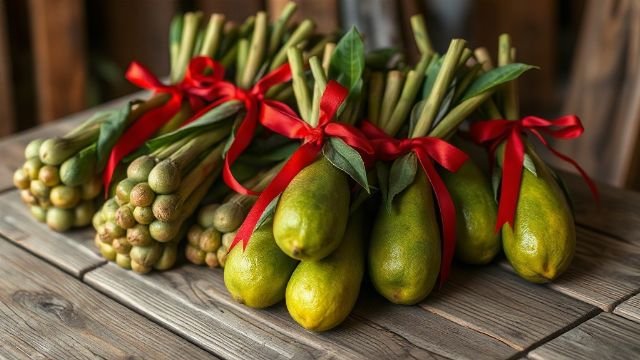
- Green walnuts (nuci verzi) – a traditional favourite, picked before the shell hardens and turned into a dark, almost treacly preserve.
- Rose petals (petale de trandafir) – not a fruit, but a cherished dulceață with an intensely floral aroma.
Each fruit brings its own character. Sour cherries are ruby-red and tangy, quince turns amber and honeyed, while green walnuts become a rich, bittersweet delicacy.
How to make basic dulceață at home
Making dulceață is straightforward, though it requires time and a light touch. Here's a simple method for sour cherries or apricots:
Ingredients: 1 kg fruit, 1 kg granulated sugar, juice of one lemon, a little water.
Steps:
- Wash and prepare the fruit: remove stones from cherries or halve apricots, keeping the pieces as whole as possible.
- Layer the fruit and sugar in a large pot and leave for a few hours or overnight, until the fruit releases some juice.
- Add the lemon juice and a splash of water if needed. Bring to a gentle boil, then reduce to a simmer for 5–10 minutes. Skim off any foam.
- Turn off the heat and let the pot cool completely. Repeat this heating and cooling cycle two or three times over the next day or two. This helps the fruit stay whole and the syrup thicken.
- When the syrup coats the back of a spoon and the fruit is glossy and slightly translucent, it's ready. Pour into sterilised jars while still hot and seal.
The preserve keeps for months in a cool, dark place. Once opened, store in the fridge.
Ways to enjoy dulceață
Dulceață is versatile and deeply woven into Romanian food culture. Here are some traditional ways to serve it:
- Spooned onto fresh bread or toast with butter.
- Served alongside a cup of tea or coffee as a small sweet bite.
- Used as a filling for cakes, pastries or crepes.
- Served with plain yogurt or panna cotta for a light dessert.
- Eaten straight from the jar with a small spoon — a guilty pleasure many Romanians know well.
Whether you make it yourself or find it in a local market, dulceață is a delicious introduction to Romania's sweet traditions. It captures the essence of the country's orchards and gardens, one jar at a time.