Driving in Romania: A Practical Guide for Road Trips
What you need to know before hitting the road: licence requirements, road rules, tolls and driving tips for a smooth journey through Romania's landscapes.
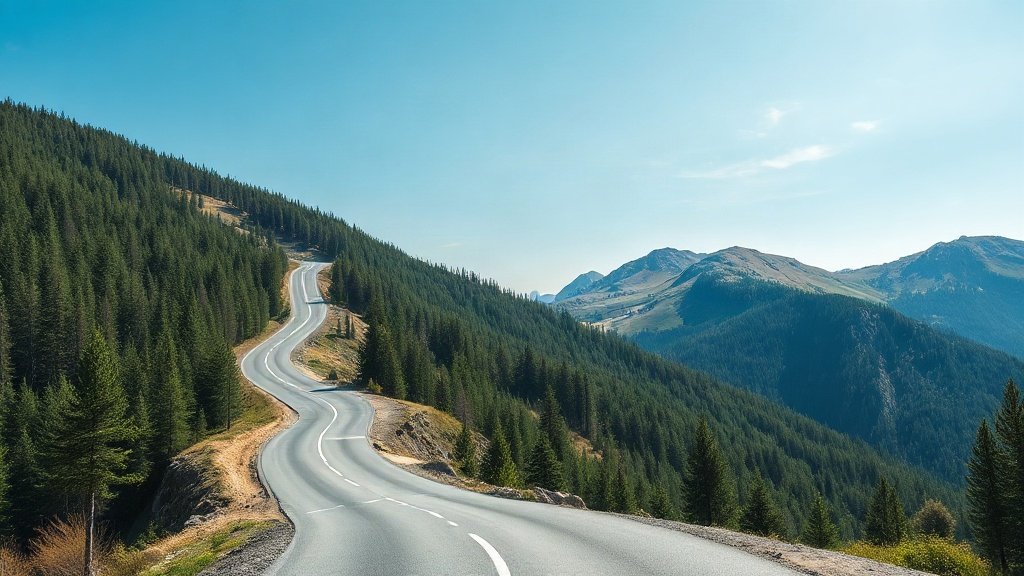
Illustration: AI-generated image
Licence and documents
If you hold a valid driving licence from the EU or EEA, you can drive in Romania without any extra paperwork. Drivers from many other countries, including the UK, the US, Canada and Australia, can also use their national licence for short visits, but it is wise to carry an International Driving Permit alongside it. Your passport or ID card should always be with you when driving.
Vehicle documents must include proof of ownership or a rental agreement, motor insurance (green card or equivalent) and the car's registration certificate. Police checks are common, and you may be asked to show these at any time.
Road rules and signs
Romanians drive on the right and overtake on the left. Seat belts are mandatory for all passengers, and children under 12 must sit in the back. Using a mobile phone while driving is prohibited unless you have a hands-free system. The blood alcohol limit is effectively zero – even a small amount can lead to heavy fines.
Speed limits are 50 km/h in built-up areas, 90 km/h on open roads, 100 km/h on expressways and 130 km/h on motorways. Signposting follows international symbols, but be aware that road signs may be in Romanian only. Key words include "ocolire" (detour), "drum închis" (road closed) and "lucrări" (roadworks).
Rovinieta and tolls
All motor vehicles using national roads must display a road toll sticker called a rovinieta. You can buy one online, at border crossings, petrol stations or post offices. Prices vary depending on the vehicle type and validity period, from one day to one year. Failure to have a valid rovinieta results in a fine.
Most motorways and some bridges and tunnels may have separate tolls, though Romania's motorway network is still limited. Plan your route accordingly and keep some cash or a card handy for unexpected charges.
Driving conditions and tips
Romania's main roads are generally in decent condition, but secondary and mountain roads can be narrow, winding and sometimes poorly maintained. In winter, mountain passes may be closed or require snow chains. Always check the weather and road status before setting out, especially in the Carpathians.
Fill up when you can – petrol stations are frequent in cities but less common in remote areas. In rural regions, watch for horse-drawn carts, livestock and slow-moving tractors. At night, stray dogs can be a hazard. Drive defensively and expect the unexpected.
Parking in cities is often paid and controlled, with blue zones indicated by signs or painted curbs. In smaller towns and villages, parking is usually free but be considerate of local access. Never leave valuables visible in the car.
From the high passes of the Făgăraș to the gentle hills of Transylvania, a road trip is one of the best ways to see Romania at your own pace.