Drîmbă: Romania's Pocket-Sized Folk Instrument
Discover the drîmbă, Romania's traditional jaw harp, and its role in folk music from shepherd's melodies to dance accompaniment.
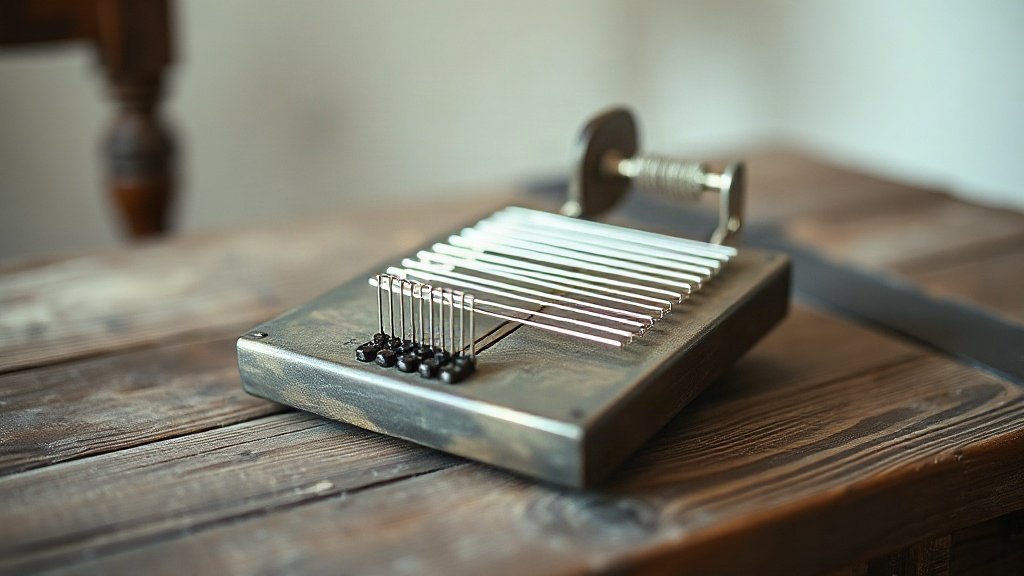
Illustration: AI-generated image
The drîmbă, known internationally as the jaw harp or Jew's harp, is one of Romania's most charming and portable folk instruments. Small enough to slip into a pocket, this unassuming piece of metal or bamboo has provided rhythm and melody for centuries, especially in the country's northern regions where shepherd culture thrives.
A Simple Design with Ancient Roots
The drîmbă is a lamellophone: it consists of a flexible tongue or reed attached to a frame. The player holds the frame against their teeth or lips and plucks the tongue with a finger. The mouth acts as a resonator, and by changing the shape of the oral cavity, the player can produce different pitches and overtones. This design is found in cultures across Asia, Europe, and beyond, and in Romania it has been embraced as a distinctly local tradition.
Traditionally, drîmbă are crafted from metal—often iron, steel, or brass—though some older examples were made from bamboo or wood. The instrument requires no tuning pegs or strings, making it incredibly durable and easy to carry, which suited the nomadic lifestyle of shepherds who roamed the Carpathian pastures.
From Shepherd's Companion to Dance Halls
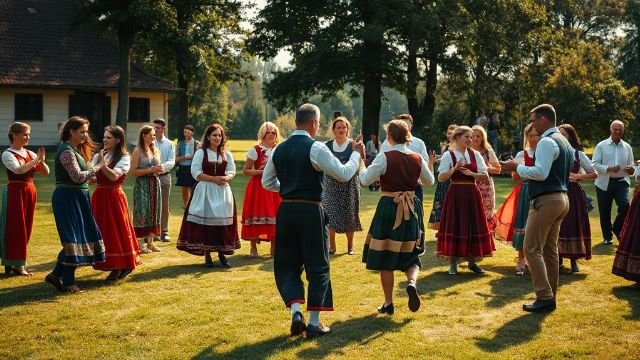
In Romanian folk music, the drîmbă is primarily a rhythmic instrument. Its buzzing, twanging sound adds a percussive layer to dance tunes, particularly the fast-paced melodies of regions like Maramureș, Oaș, and Bukovina. It is often played solo or alongside other instruments such as the violin, flute, or accordion, providing a drone or syncopated pulse that drives the dancers forward.
Beyond its rhythmic role, the drîmbă has been used for more introspective moments. Shepherds would play it to pass the time while tending their flocks, and its subtle melodies could carry across mountain valleys. The instrument's quiet, intimate sound also made it suitable for courtship rituals, where young men might play outside a beloved's window.
A Living Tradition
While the drîmbă might seem overshadowed by louder instruments like the violin or taragot, it has never disappeared from Romanian folk music. Today, folk ensembles and revivalist musicians include it in their performances, and it is often heard at festivals celebrating traditional crafts and music. Modern makers continue to produce drîmbă using both time-honoured methods and new materials, ensuring that this tiny instrument remains a living part of Romania's cultural heritage.
For those curious about folk music, the drîmbă offers an accessible entry point—it is inexpensive, easy to learn the basics, and endlessly expressive. Its persistent presence in Romanian villages and concert stages alike proves that great things can come in small packages.