Danube Delta: A First-Timer's Guide to Romania's Wild Wetland
Explore Europe's largest wetland, a UNESCO Biosphere Reserve teeming with birds, waterways, and traditional fishing villages.
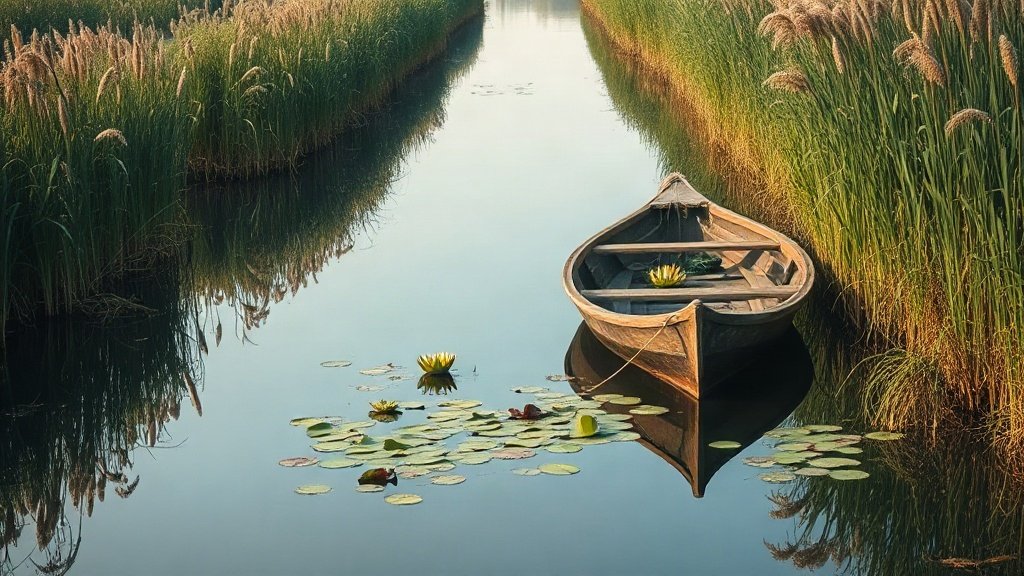
Illustration: AI-generated image
Where the Danube River meets the Black Sea, it fans out into a vast maze of channels, lakes, and reed beds known as the Danube Delta. It is one of Europe's most important wetlands, a UNESCO Biosphere Reserve, and a paradise for nature lovers. For travellers seeking a slower pace and a deep connection with wild landscapes, the Delta offers an experience unlike anywhere else in Romania.
Why Visit the Danube Delta
The Danube Delta is a haven for wildlife. Over 300 species of birds have been recorded here, including pelicans, herons, egrets, and cormorants. It is also home to the largest colony of white pelicans in Europe. Beyond birds, the Delta supports wild horses, otters, and a rich variety of fish. For photographers, the light on the water and the sheer diversity of life make it an extraordinary destination.
But the Delta is not just about wildlife. It is a living landscape shaped by centuries of human presence. Scattered throughout the wetlands are small villages where residents still rely on fishing and reed harvesting. Traditional thatched-roof houses, painted in blues and greens, line the narrow canals. Visiting these communities offers a glimpse into a way of life that has changed little over generations.
Getting Around
The only practical way to explore the Delta is by boat. The main gateway town is Tulcea, where you can arrange boat trips or catch scheduled ferries to villages like Sulina, Sfântu Gheorghe, and Mila 23. For a more tailored experience, local boat operators offer guided day trips and multi-day excursions. A slow cruise through the winding channels reveals the Delta's quiet beauty: water lilies, willows dipping their branches into the water, and birds diving for fish.
If you have more time, consider staying in one of the villages. Many guesthouses are accessible only by boat, adding to the sense of remoteness. Mornings are often spent on the water, watching the sun rise over the reeds, while evenings bring home-cooked meals of fresh fish and local polenta.
When to Go
Spring and early summer are the most spectacular seasons for birdwatching, as migratory species return and breeding plumages are at their finest. Late summer offers warmer weather and the chance to see water lilies in full bloom. Autumn brings golden light and fewer visitors, making it a peaceful time to explore. The Delta is accessible year-round, but boat services may be reduced in winter.
Practical Tips
Bring binoculars and a good camera, as you will want to capture the wildlife. Mosquito repellent is essential in summer, especially near the water. Wear comfortable, weather-appropriate clothing and sturdy shoes if you plan to walk around the villages. Remember that the Delta is a protected area; respect wildlife and follow local guidance to minimise your impact.
For those who love slow travel, the Danube Delta is a destination that rewards patience. It is a place to disconnect from the rush of everyday life and reconnect with nature in its rawest, most beautiful form.