Colțunași: Romania's Traditional Dumplings Explained
Discover colțunași, Romania's answer to pierogi, with savoury and sweet fillings and a simple homemade dough.
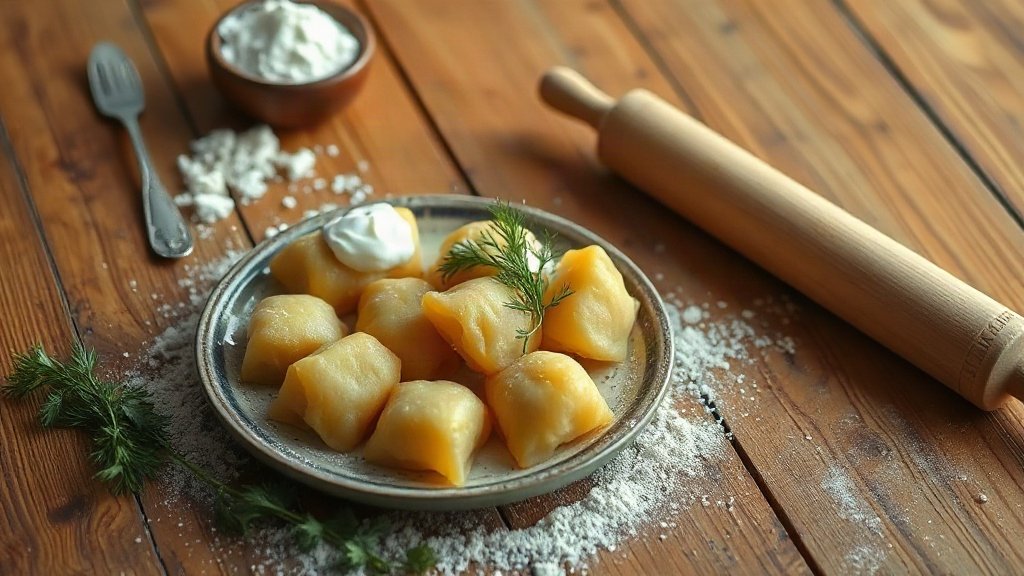
Illustration: AI-generated image
Colțunași (pronounced kol-tsoo-nash) are Romania's beloved filled dumplings, often compared to Polish pierogi or Ukrainian vareniki. Made from a simple dough and stuffed with savoury or sweet fillings, they are a comfort food found across the country, from home kitchens to festive tables.
What Are Colțunași?
Colțunași are small, half-moon-shaped dumplings made by wrapping a filling in a thin, unleavened dough. The name likely derives from the word "colț" (corner or angle), referring to their triangular or crescent shape after folding and sealing. They are boiled and often finished with a quick fry in butter or served simply with toppings.
While similar dishes exist throughout Eastern Europe, Romanian colțunași have their own character. The dough is typically made with flour, water, eggs and a pinch of salt, rolled thin and cut into rounds. The fillings vary widely, reflecting regional and seasonal ingredients.
Common Fillings
The most traditional fillings include:
- Brânză de vaci (fresh cow's cheese) – mixed with egg, dill and sometimes a little sugar for a sweet-savoury version.
- Cartofi (potato) – mashed potato with fried onions, often with cheese or bacon bits.
- Varză călită (braised cabbage) – sauerkraut or fresh cabbage cooked with onions and spices.
- Ciuperci (mushrooms) – wild or cultivated mushrooms fried with onions and herbs.
- Sweet fillings – such as prune jam (magiun), fresh plums, or sweetened cheese, dusted with sugar and served as dessert.
In some regions, colțunași are also made with meat fillings, similar to pelmeni, but the cheese and potato versions are most common.
How Colțunași Are Made
Making colțunași is a labour of love, often done in large batches. The dough is kneaded until smooth, rested, then rolled out thinly. Circles are cut with a glass or cutter, a spoonful of filling is placed in the centre, and the edges are pinched tightly to seal. Some cooks fold the dough over to create a half-moon, while others bring all corners together to form a triangle or envelope shape.
The dumplings are cooked in generously salted boiling water until they float to the surface, then simmered for a few more minutes. After boiling, they can be served immediately or pan-fried in butter until golden and crispy on the outside.
Serving Suggestions
Colțunași are versatile and can be a main course, side dish or dessert. Savoury versions are traditionally topped with:
- Sour cream (smântână)
- Melted butter
- Fried onions or crispy bacon bits
- Fresh herbs like dill or parsley
Sweet colțunași are often sprinkled with sugar and served with sour cream or a fruit sauce.
Regional Variations
Throughout Romania, you may encounter different names and shapes. In Transylvania, they are sometimes called "piroști" or "găluște cu prune", especially when filled with plums. In Maramureș, similar dumplings known as "tăiței" are made for special occasions. Regardless of name, the concept remains the same: a comforting, filling dish that brings families together.
Make Your Own Colțunași
For a basic cheese filling, mix 250g of fresh cow's cheese (or well-drained ricotta) with one egg, a tablespoon of chopped dill, and salt to taste. For the dough, combine 300g flour, one egg, a pinch of salt and about 150ml warm water, kneading until elastic. Let rest for 30 minutes. Roll out to 2-3mm thickness, cut circles, fill and seal. Boil in batches for 3-4 minutes after they float. Serve with sour cream and fresh dill.
Whether you enjoy them savoury or sweet, colțunași offer a delicious introduction to Romanian home cooking.


