A Practical Guide to Importing Food Products into Romania
From EU regulations to local customs, this guide explains the key steps for bringing food and drink into the Romanian market.

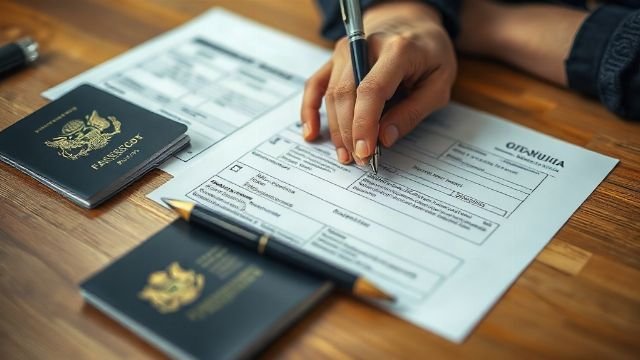
Illustration: AI-generated image
Romania’s growing consumer market and strategic position in Southeast Europe make it an attractive destination for food and beverage importers. However, navigating the country’s regulatory landscape requires careful planning. This guide outlines the main steps and considerations for importing food products into Romania, from EU compliance to local customs procedures.
Understand the regulatory framework
As an EU member state, Romania follows European Union food safety legislation. The National Sanitary Veterinary and Food Safety Authority (ANSVSA) is the main body responsible for food safety controls, while the Ministry of Agriculture and Rural Development oversees agricultural aspects. Importers must ensure their products meet EU standards for additives, contaminants, labelling and traceability. For certain categories, such as meat, dairy or organic products, additional certificates or approvals may be required.
Prepare your documentation
Before goods reach the border, importers need an Economic Operators Registration and Identification (EORI) number, which is required for all customs transactions in the EU. Key documents typically include a commercial invoice, packing list, bill of lading or airway bill, and a certificate of origin for non-EU goods. For food products, a health certificate or a common entry document (CED) may be necessary, depending on the product type and origin. It is wise to verify requirements with the Romanian customs authority or a licensed customs broker well in advance.
Navigate customs clearance
Food imports must be declared through the Romanian customs system. For goods from non-EU countries, customs duties and import VAT may apply, with rates depending on the product’s tariff classification and origin (including any preferential trade agreements). Import VAT is generally payable at the point of entry, though businesses can often reclaim it through their regular VAT returns. Working with an experienced customs broker can help avoid delays and ensure correct tariff codes are used.
Ensure proper labelling and packaging
All food products sold in Romania must be labelled in Romanian, regardless of their origin. Labels must include the product name, list of ingredients, allergens, net quantity, best-before or use-by date, storage conditions, and the name and address of the importer or distributor. Additional information may be required for specific categories, such as nutritional declarations or warnings. Packaging must also comply with EU rules on food contact materials.
Work with local partners
Building relationships with Romanian distributors, wholesalers or retail chains can streamline market entry. Local partners understand consumer preferences and can help with warehousing, logistics and marketing. Attending trade fairs such as Indagra or ExpoGast can provide valuable contacts and insights into the market. It is also helpful to consult with legal and accounting professionals familiar with Romanian import regulations and business practices.
Importing food into Romania requires diligence, but with the right preparation it can open a profitable gateway to Eastern Europe. By understanding the regulations, preparing documents accurately and partnering with local experts, businesses can successfully introduce their products to Romanian consumers.