Brown Bear Watching in Romania: A Responsible Guide
Romania is home to one of Europe's largest brown bear populations. Here's how to observe these magnificent animals safely and ethically in the Carpathian forests.
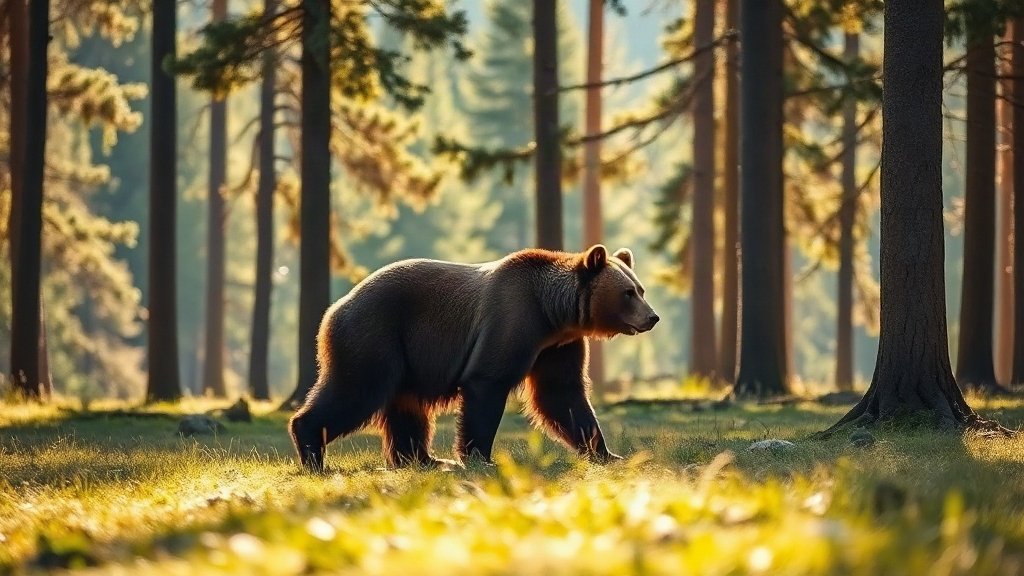
Illustration: AI-generated image
Romania's vast Carpathian forests shelter one of the largest brown bear populations in Europe. For wildlife lovers, observing these powerful animals in their natural habitat is an unforgettable experience. But responsible bear watching goes far beyond a lucky roadside sighting — it requires planning, patience, and respect for the animals and their environment.
Why Romania?
Roughly 6,000 brown bears roam the Romanian Carpathians, around 60% of Europe's total population. The dense woodlands of Transylvania, particularly in the counties of Brașov, Harghita, Covasna, and Mureș, provide ideal conditions. Unlike in some other European countries, bears here live in relatively undisturbed habitats, making sightings more likely for those who know where and how to look.
Best time to go
Bear watching is a seasonal activity. Spring (April–May) is a good time, as bears emerge from hibernation hungry and often visible in open areas. Autumn (September–October) is equally rewarding, when bears forage intensively to build fat reserves before denning. Early morning and late evening are the most active periods. Summer can be productive but requires more patience, while winter is generally unsuitable as bears are less active.
How to see bears responsibly
The most ethical and safe method is to join an organised tour led by a licensed guide. These trips typically involve waiting in a specially constructed hide — a wooden cabin with small windows — placed near a forest clearing where bears are known to pass. Hides are positioned at a safe distance, and guides use food such as corn or fruit to attract bears, a practice that is carefully managed to avoid altering natural behaviour. Never attempt to approach a bear on foot, and never feed wild bears yourself.
Guided tours often last several hours, so bring warm clothing, sturdy footwear, and a good pair of binoculars. Photography is allowed, but flash should be avoided as it can startle animals. Silence is essential; even a whisper can carry far in the forest.
Where to go
Several regions are known for reliable bear watching. The forests around Zărnești, near Piatra Craiului National Park, have a long tradition of bear observation. The hills of Harghita and Covasna counties also host numerous hides. Many guesthouses in these areas can arrange excursions with local guides who know the terrain intimately. While specific operators change frequently, your accommodation host is often the best source of up-to-date recommendations.
Safety guidelines
- Always stay inside the hide or vehicle when bears are present.
- Keep a distance of at least 100 metres; never attempt to get closer for a photo.
- If you encounter a bear while hiking, back away slowly, avoid eye contact, and do not run.
- Make noise while walking in bear country to avoid surprising them.
- Store food in airtight containers and never leave scraps behind.
A note on conservation
Brown bears in Romania face threats from habitat fragmentation, poaching, and human conflict. By choosing responsible operators who respect wildlife, you support local communities that value living bears over dead ones. Your visit helps prove that ecotourism is a viable economic alternative, encouraging protection of these magnificent creatures for generations to come.