What to Eat During Romania’s 2026 Christmas Fast: A Practical Guide
The 40-day Orthodox Christmas Fast begins on 15 November 2026. Here’s how to replace meat, eggs and dairy while staying healthy.
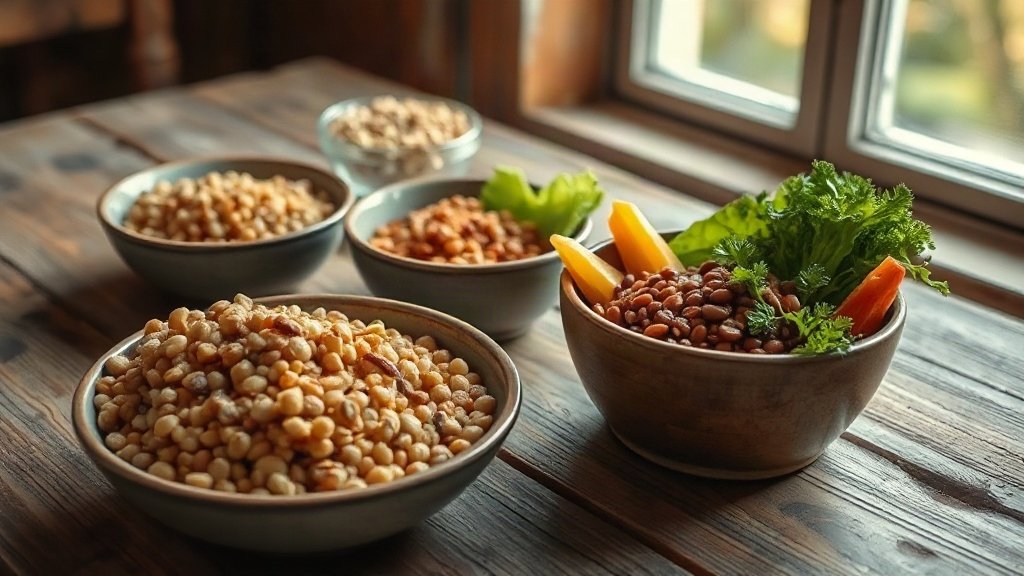
Illustration: AI-generated image
The Orthodox Christmas Fast begins today, Sunday 15 November 2026, and runs until Christmas Eve, 24 December. For 40 days, many Romanians will give up meat, eggs and dairy as part of a spiritual and dietary discipline. According to nutritionist Andrei Panaite, the key to staying healthy is replacing animal proteins with varied plant sources rather than simply cutting them out.
A time for reflection, not just restriction
Priest Dan Damaschin told Digi24 that the fast is one of the four major periods in the Orthodox calendar. Beyond food rules, it is meant as a time of prayer, moderation and good deeds. The 40-day length echoes biblical episodes: Moses on Mount Sinai, Elijah’s journey to Horeb and Jesus’s 40 days in the wilderness.
What changes on the plate
During the fast, believers avoid meat, eggs, milk and dairy products such as cheese, yoghurt and butter. Wine and oil are allowed on certain days, and the church calendar also includes several “dezlegare” days when fish is permitted. In 2026, the first fish day falls on 21 November, the Feast of the Entry of the Theotokos into the Temple, and the last is on 19 December.
Building meals around plant protein
Panaite recommends rotating sources such as soya, peas, lentils, chickpeas, quinoa, buckwheat and beans. These ingredients provide both protein and fibre, helping with satiety. He also suggests pairing them with carbohydrate-rich foods like potatoes and oats for energy, and using fish on allowed days for essential amino acids.
Smart snacks and common pitfalls
For between meals, a 20–30 gram portion of nuts, almonds, hazelnuts, cashews, pistachios or seeds works well, but they are calorie-dense. Fruit – oranges, pineapple, kiwi or bananas – offers vitamins and fibre and is best eaten earlier in the day. Panaite warns that relying too heavily on bread, pastry and sweets can lead to weight gain, and that some shop-bought “fasting” products such as vegetable pâtés, margarine and halva may be high in salt, sugar or fats. Reading labels helps.
Returning to a regular menu
After 24 December, Panaite advises reintroducing animal foods gradually and in moderate portions, starting with lean poultry, eggs and low-fat dairy. A sudden feast of rich, fatty dishes can cause digestive discomfort.


