How to Care for Indoor Plants in a Romanian Apartment
A practical guide to choosing and caring for houseplants in Romania's climate, from light levels to winter heating challenges.
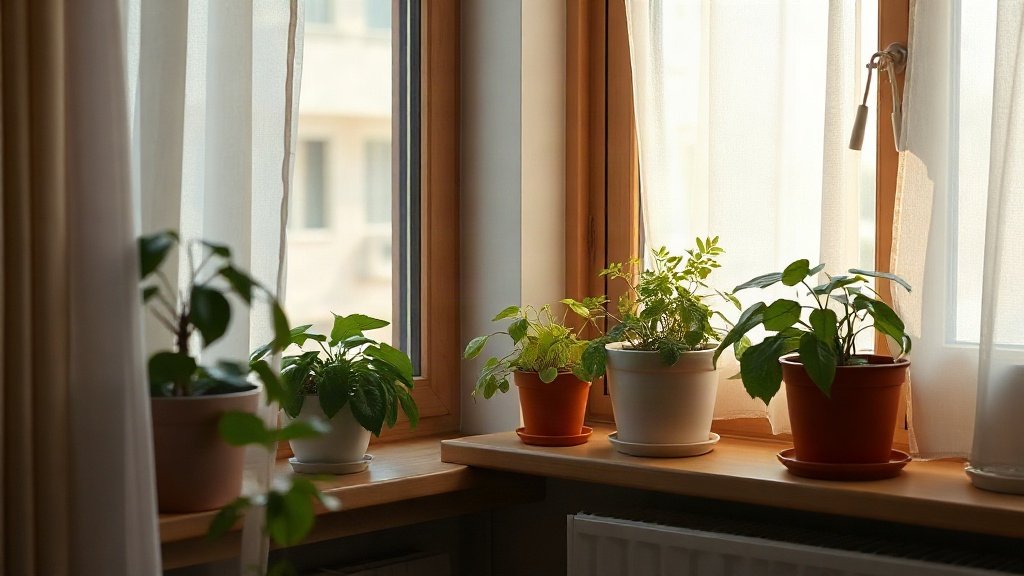
Illustration: AI-generated image
Bringing greenery into a Romanian home can brighten even the greyest winter day, but the country's distinct seasons and often poorly insulated blocks present particular challenges for indoor plants. With a little know-how, however, you can keep everything from ferns to fiddle-leaf figs thriving.
Choosing the Right Plants for Your Light
Romanian apartments vary widely in exposure. South-facing rooms receive strong sun, especially in summer, while north-facing rooms may stay dim for months. Before buying, observe how many hours of direct sun each window gets. For bright, hot spots, succulents, cacti, and some euphorbias cope well. For shadier corners, try snake plants, ZZ plants, pothos, or peace lilies, which tolerate low light. Avoid sun-loving species in dark hallways or bathrooms without windows.
Coping with Central Heating and Dry Air
From late October to April, radiators blast dry heat, often reducing indoor humidity to desert levels. Many tropical plants suffer leaf browning or crisping. Group plants together to create a microclimate, place water trays with pebbles underneath pots (ensuring pots sit above the water), or use a humidifier. Misting helps only briefly but can be a daily ritual. Keep plants away from direct radiator blasts and cold draughts from poorly sealed windows.
Watering Wisely Through the Seasons
Overwatering is the most common killer. In winter, growth slows, and plants need far less water. Check the top few centimetres of soil with your finger; water only when dry. Use room-temperature water, as icy tap water can shock roots. In summer, especially during heatwaves, plants may need watering every two to three days, but always check first. Terra cotta pots dry out faster than plastic or glazed ceramic.
Dealing with Low Light in Winter
Short winter days and often overcast skies mean even south-facing windows provide weak light. If your plants start stretching or losing leaves, consider moving them closer to windows or using grow lights. A simple LED grow bulb in a desk lamp can make a huge difference. Rotate pots weekly so plants grow evenly.
Repotting and Soil
Spring is the best time to repot, once days lengthen. Use a well-draining potting mix; add perlite or coarse sand for succulents. Choose a pot only slightly larger than the current one to prevent soil staying soggy. If you repot, wait a few weeks before fertilising to avoid burning new roots. A balanced liquid fertiliser every two to four weeks during spring and summer supports healthy growth; stop in autumn and winter.
Common Pests and Simple Fixes
Spider mites, mealybugs, and fungus gnats occasionally appear, often triggered by dry air or overwatering. Wipe leaves with a damp cloth regularly to spot problems early. For mites, increase humidity and wash leaves with mild soapy water. For gnats, let soil dry out more between waterings and use yellow sticky traps. Isolate new plants for a couple of weeks before placing them near your collection.
Outdoor Balcony Plants in Summer
Many indoor plants enjoy a summer holiday on a balcony, but introduce them slowly to avoid sunburn. Start in shade, then gradually move to brighter spots over a week or two. Bring them back inside before nights drop below 10°C, usually by late September. Check for pests before returning them indoors.
With attention to light, water, and humidity, your Romanian apartment can be a green sanctuary all year round.


