The Fluier: Romania's Shepherd's Flute and Its Enduring Melodies
The fluier is a simple wooden flute at the heart of Romanian folk music, carried by shepherds and played at gatherings for centuries.
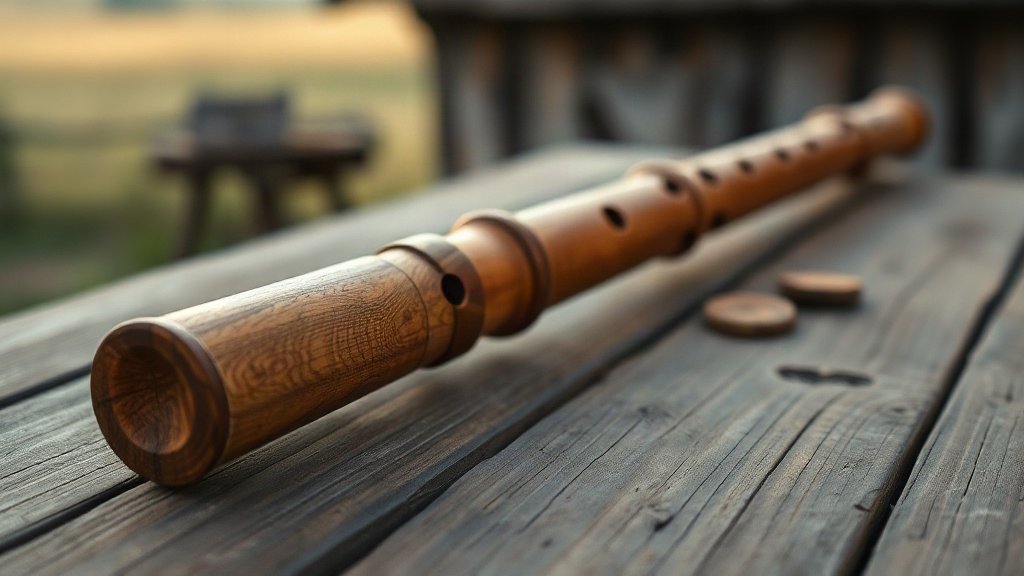
Illustration: AI-generated image
The fluier is one of Romania's most emblematic folk instruments, a simple end-blown flute that has accompanied shepherds for centuries. Its clear, reedy voice echoes across mountain pastures and village festivals alike, carrying melodies that speak of solitude, longing, and celebration. Unlike the more elaborate nai or cobza, the fluier's charm lies in its accessibility and the deep personal connection it fosters between player and instrument.
Traditionally made from wood—often elder, plum, or willow—the fluier features six finger holes and a fipple mouthpiece that gives it a recorder-like clarity. Some varieties use a block (dop) to direct the air, while others are rim-blown like a simple pipe. Shepherds would carve their own instruments during long hours with their flocks, often decorating them with simple geometric motifs. The fluier's compact size made it easy to carry in a belt or pocket, always ready to soothe the sheep or entertain fellow villagers.
A Voice of the Highlands
In Romanian folk music, the fluier is closely tied to the pastoral tradition. It is the instrument of choice for playing doine—improvised, melancholic songs that express longing and connection to nature. A shepherd's doina can stretch for minutes, its phrases bending and sighing like the wind over the Carpathians. The fluier also shines in lively dance tunes, where its bright tone cuts through the rhythmic clatter of cobza and drum, driving horas and sârbe with infectious energy.
Regional styles add to the fluier's versatility. In Transylvania, players often add ornaments and trills, while in Moldavia the melodies flow with a more lyrical, vocal quality. In Oltenia and Muntenia, the fluier is frequently paired with the cobză, creating a rich, interlocking texture. No matter the region, the fluier remains a profoundly personal instrument, often passed down through families as a treasured heirloom.
Keeping the Tradition Alive
Today, the fluier is taught in music schools and folk ensembles, ensuring that new generations learn its techniques. It also features prominently in recordings of authentic village music and at festivals like the National Festival of Folk Music in Târgu Jiu or smaller local celebrations. For visitors, hearing a master fluier player perform a doina at a village gathering is an unforgettable encounter with Romania's living heritage.
Learning the fluier is a rewarding challenge. Its simple construction belies the breath control and finger dexterity required to produce its signature vibrato and slides. Beginners often start with a basic six-hole model, available from craft fairs or folk instrument makers, and quickly find that the instrument rewards patience with a voice that feels both ancient and intimately personal.
Whether carved by a shepherd on a mountainside or played by a virtuoso on stage, the fluier remains a symbol of Romania's deep bond with its landscape and traditions. Its unassuming form carries the weight of centuries, a reminder that the simplest tools can create the most profound music.