Student-Led Serbian Government Plans to Limit Reality TV, Introduce Four-Day Week
Serbia's new student-led coalition wants to limit reality TV broadcasts to 45 minutes a day and promote a four-day working week, alongside broader media and labour reforms.
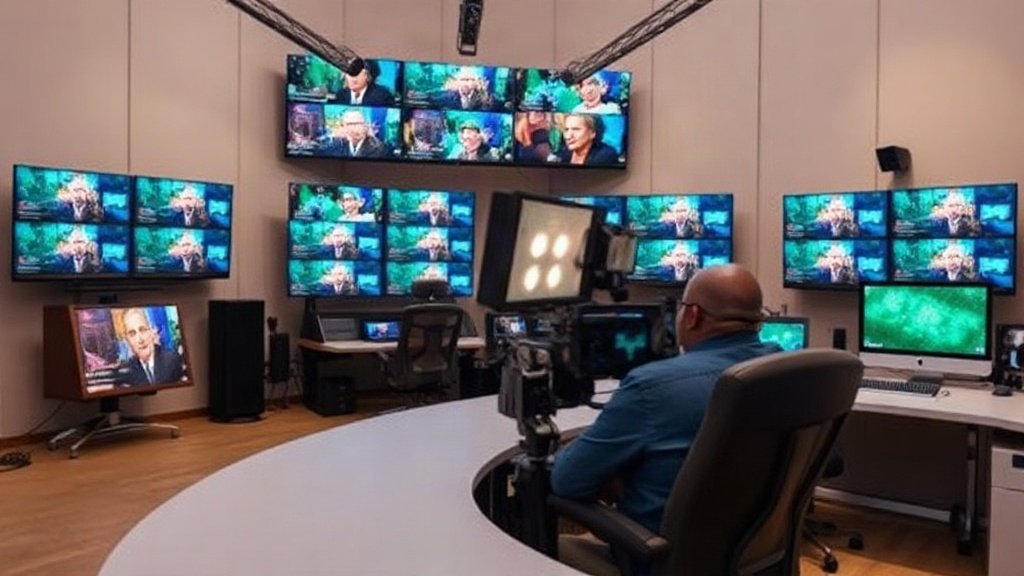
Illustration: AI-generated image
A newly formed student-led government in Serbia has announced plans to shake up the country's broadcasting and employment rules. The proposals include capping daily reality television content at 45 minutes on national free-to-air channels and encouraging companies to adopt a four-day working week.
The coalition, known as the Student List, won 140 of the 250 seats in Serbia's parliament in October and its MPs were sworn in recently at the National Assembly in Belgrade. It has not yet named a clear candidate for prime minister, according to local media.
Under the media plans, reality shows would be banned from national free channels before 23:00 and limited to 45 minutes per day in total. Popular series such as "Elita", a Serbian Big Brother-style programme, would remain available only through subscription services, subject to age restrictions and parental controls.
Television stations would also be required to cut broadcasts immediately if scenes of violence, threats or hate speech appear on screen, according to reports in The Telegraph.
The labour proposals go beyond the screen. The coalition wants to encourage companies to shift to a 32-hour, four-day week without reducing employees' pay. Other measures include capping overtime at eight hours per week, restricting the use of fixed-term contracts and banning managers from contacting staff outside working hours.
Analysts have noted that such a model may be ambitious for a middle-income country. A foreign policy lecturer at King's College London told The Telegraph that winning an election and running a country are very different things, adding that the four-day week idea might be better suited to wealthier Scandinavian economies.
On foreign policy, the Student List has floated the idea of a possible referendum on Serbia's EU membership, although this was not part of its official election programme. A newly elected MP told an EU enlargement forum in Brussels that the movement would accelerate efforts to meet the intermediate criteria for accession.
The changes mark a significant shift in Serbia's media and economic policies, and are being watched closely across the Balkans.