Romanian Lace: The Delicate Art of Dantelă
Discover the intricate world of Romanian lace, from bobbin lace to needle lace, and the regional traditions that keep this delicate craft alive.
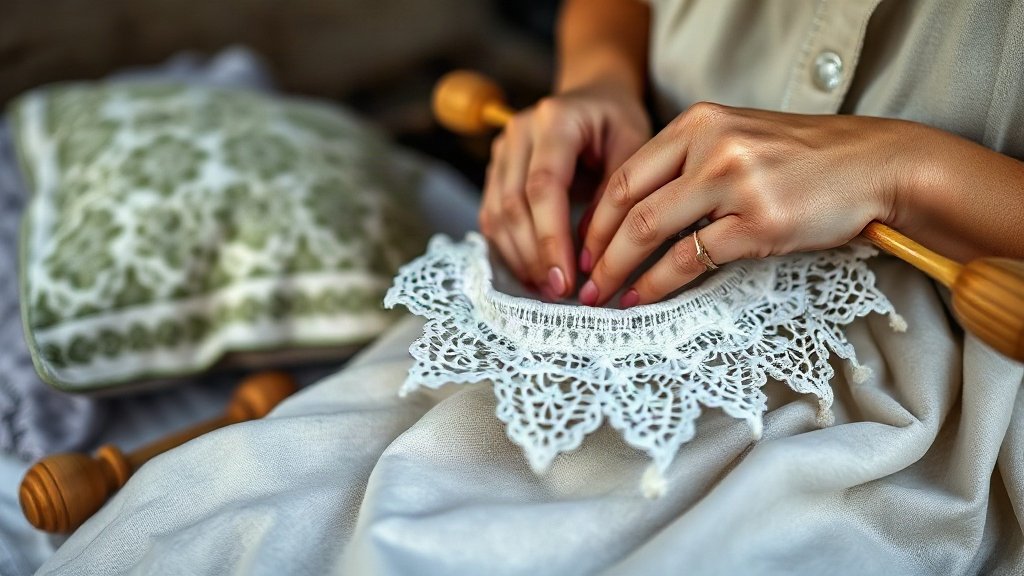
Illustration: AI-generated image
Romanian lace, known locally as dantelă, is a delicate textile art that has adorned homes, clothing, and religious objects for centuries. Passed down through generations, it combines fine craftsmanship with deep cultural meaning. From intricate floral motifs to geometric patterns, each piece tells a story of patience and regional identity.
A Living Tradition
Lacemaking in Romania has roots in both rural domestic craft and monastery workshops. While some techniques arrived from Western Europe, artisans adapted them to local aesthetics. The craft flourished in villages where women gathered in the evenings to sew, embroider, and create lace for dowries and church decorations. Today, it remains a symbol of feminine skill and continuity.
Two Main Techniques
Romanian lace is primarily made using two methods: bobbin lace (dantelă pe fuse) and needle lace (dantelă pe ac). Bobbin lace involves twisting and crossing threads wound on wooden bobbins over a pinned pattern. Needle lace is built stitch by stitch with a single needle and thread. Both produce airy, transparent fabrics, but their textures differ. Bobbin lace often features crisp geometric shapes, while needle lace allows more organic, flowing designs.
Regional Styles and Motifs
Different regions of Romania developed distinct lace styles. In Maramureș, lace often incorporates symbols of sun, stars, and the tree of life. In Transylvania, floral patterns inspired by garden flowers are common. Oltenia is known for geometric borders used on traditional blouses and towels. Many motifs carry symbolic meanings: the rooster represents vigilance, the spiral eternity, and the grapevine abundance.
Uses and Cultural Significance
Lace decorates more than just clothing. It trims household textiles such as bed sheets, tablecloths, and curtains. It also adorns religious items, including altar cloths and priestly vestments. In traditional weddings, lace-edged headscarves and veils are prized. A girl's trousseau often included dozens of lace pieces, demonstrating her skill and her family's status.
Keeping the Craft Alive
While machine-made lace is now common, handmade dantelă remains treasured. Many rural communities and cultural organisations offer workshops to teach younger generations. The slow, meditative process of lacemaking continues to attract those seeking a link to Romania's past. By understanding and appreciating this fine craft, visitors and locals alike help ensure its survival.