Painted Monasteries of Bucovina: A Guide to Romania's UNESCO Treasures
Discover the vividly frescoed churches of Bucovina, where medieval artists covered entire exterior walls in biblical scenes that have survived for five centuries.
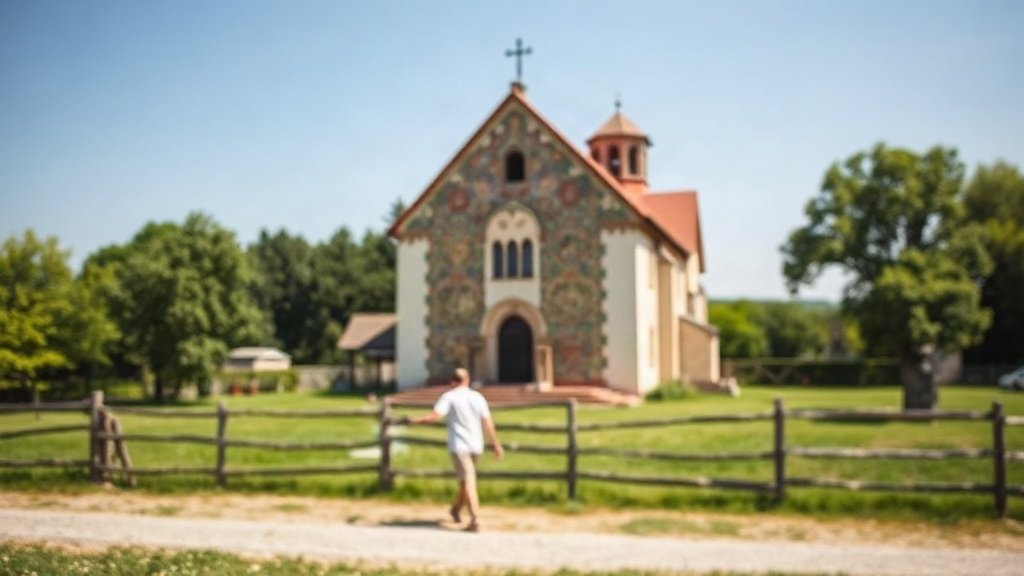
Illustration: AI-generated image
Tucked into the rolling hills of northern Moldavia, the painted monasteries of Bucovina are among Romania's most extraordinary cultural treasures. Built in the 15th and 16th centuries, these Orthodox churches astonish visitors with their exterior walls completely covered in vivid frescoes—scenes from the Bible, lives of saints, and dramatic depictions of heaven and hell. Recognised as a UNESCO World Heritage site, they offer a unique window into medieval art and faith.
A brief history of the painted monasteries
The fresco tradition flourished under the patronage of Moldavia's great rulers, notably Stephen the Great (Ștefan cel Mare) and his son Petru Rareș. At a time when most of the population was illiterate, the paintings served as a visual Bible, teaching scripture through images. Artists used mineral pigments and a technique involving wet plaster, which has allowed the colours to remain remarkably bright after 500 years of weather.
The most famous monasteries to visit
- Voroneț: Often called the "Sistine Chapel of the East," its striking blue background—a colour now known as "Voroneț blue"—is iconic. The western wall features a vivid Last Judgement scene.
- Humor: Smaller and more intimate, with a reddish-brown palette and lively scenes including a humorous depiction of the devil.
- Moldovița: Golden-yellow frescoes and a magnificent siege of Constantinople on the southern wall, reflecting historical conflicts with the Ottomans.
- Sucevița: The last and largest of the painted monasteries, with a predominant green colour and thousands of individual figures. Its western wall was left unpainted due to a legend that the artist fell to his death.
- Arbore: Less visited but equally beautiful, with a more muted palette and scenes from the life of St George.
Practical tips for your visit
The monasteries are scattered across a compact area around the town of Gura Humorului, making them easy to visit over two days. A self-drive trip gives the most flexibility, but guided day tours from Suceava or Gura Humorului are also available. Roads are generally good, and the countryside scenery is part of the charm.
Dress respectfully: both men and women should cover shoulders and knees when entering the churches. Photography is usually allowed outside but often restricted inside, and flash is never permitted as it can damage the pigments. Some monasteries hold regular Orthodox services, so visitors should remain quiet and observe from the rear.
The best time to visit is from late spring to early autumn, when the gardens are in bloom and the light brings out the fresco colours. Autumn is particularly lovely with golden foliage, while winter visits offer a quieter, snow-dusted experience but some sites may have limited access.
Why they matter
The painted monasteries are not simply historical relics; they remain active places of worship. Their frescoes reflect a complex blend of Byzantine tradition, local folk motifs, and Western influences, offering an unrivalled artistic narrative of medieval Moldavia. For travellers interested in art, history, or spirituality, they are an essential part of any Romanian itinerary.