Mici: Romania's Iconic Grilled Sausages Explained
Mici, also known as mititei, are small skinless grilled sausages that are a staple of Romanian outdoor cooking and restaurant menus. Here's what makes them special and how to enjoy them like a local.
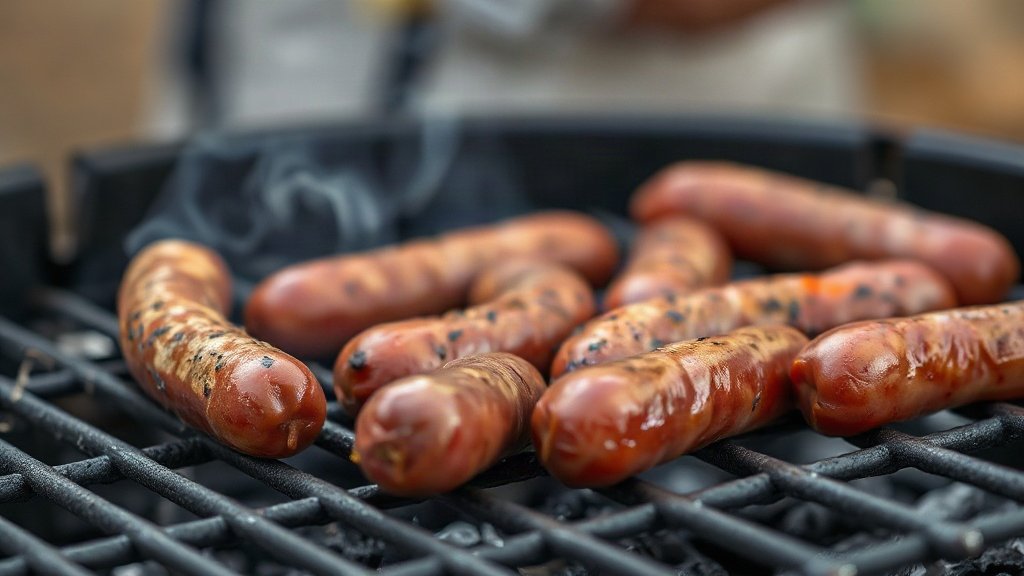
Illustration: AI-generated image
Mici (pronounced meech), often called mititei, are one of Romania's most beloved foods. These small, skinless grilled sausages are a fixture at family barbecues, street food stalls, and traditional restaurants across the country. Juicy, garlicky, and packed with flavour, they are a true national obsession.
What are mici?
Mici are cylindrical rolls of minced meat, usually a mixture of beef, lamb, and pork, though recipes vary. The meat is blended with garlic, spices such as thyme, paprika, and black pepper, and a small amount of sodium bicarbonate. This last ingredient gives mici their characteristic light, fluffy texture once grilled. Unlike most sausages, mici are cooked without any casing, relying on the mixture's binding properties to hold their shape.
Their exact origin is debated, but mici have been a fixture of Romanian cuisine for well over a century. Some stories link their invention to a late 19th-century Bucharest restaurant, but today they are simply a beloved part of everyday food culture.
How to make mici at home
Making mici from scratch is straightforward, though it requires a little patience. The key is to use a combination of meats with enough fat to keep the rolls moist during grilling. A typical ratio is two parts beef to one part pork, with optional lamb for extra depth. The meat is minced finely, then mixed with crushed garlic, salt, pepper, thyme, and paprika. A teaspoon of baking soda dissolved in a little beef broth or water is added to the mixture, which is then kneaded thoroughly and left to rest in the fridge for several hours or overnight.
When ready to cook, the mixture is shaped by hand into small cylinders, about 8–10 cm long and 3 cm thick. They are grilled over hot charcoal or on a cast-iron griddle, turning frequently until browned and cooked through. The outside should be slightly crisp while the inside remains juicy.
How to serve and eat mici
Mici are traditionally served hot, straight off the grill, with a generous dollop of mustard and fresh white bread. Many Romanians also enjoy them with french fries, pickled vegetables, or a simple salad of tomatoes and cucumbers. A cold beer is the classic accompaniment.
They are eaten by hand or with a fork, often with a slice of bread used to mop up the juices. There is no formal etiquette—just enjoy them while they are warm.
Where to find mici in Romania
Every traditional Romanian restaurant will have mici on the menu, usually as a starter or main course. They are also a common sight at street food kiosks, especially in city centres and near parks. During warm months, many outdoor markets and festivals feature grills cooking mici to order.
For an authentic experience, look for places where they are grilled over charcoal in front of you, and order them with mustard and bread. You will soon understand why this humble dish has become a symbol of Romanian comfort food.


