Martisor: A Traveler's Guide to Romania's Spring Tradition
Every March 1, Romanians exchange small red-and-white charms to welcome spring. Here's the meaning behind the custom and how to join in.
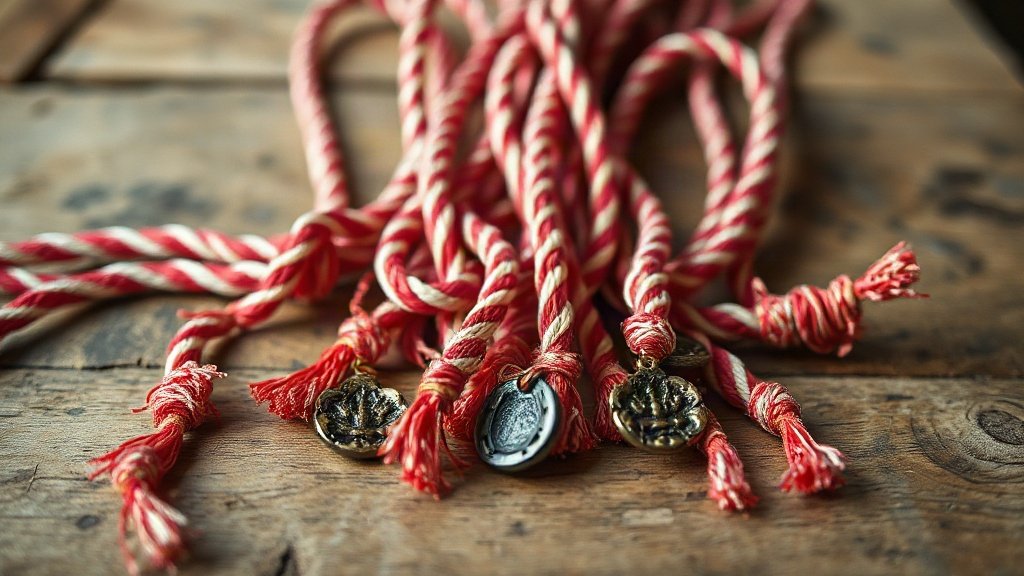
Illustration: AI-generated image
As the last snow melts and the first green shoots appear, Romania welcomes spring with a small but meaningful gesture: the giving of mărțișoare. Every year on 1 March, millions of Romanians exchange tiny red-and-white charms attached to a twisted thread, a tradition that stretches back centuries and remains an integral part of the country's cultural fabric.
What Exactly Is a Mărțișor?
A mărțișor (plural: mărțișoare) is a small token given on 1 March to mark the start of spring. At its heart is a cord made from two twisted threads—one red, one white—which symbolise life and purity, or sometimes the duality of winter and spring. Attached to this cord is a small decorative charm, traditionally a coin, a flower, or a tiny figure. Modern mărțișoare may feature anything from a simple bead to an intricate handmade ornament, but the red-and-white thread remains the constant.
The word itself comes from "martie", the Romanian name for March, and is linked to the old Roman celebration of the New Year, which originally fell on 1 March. Over time, the custom blended with local beliefs about welcoming the return of warmth and fertility.
The Story Behind the Thread
While no single origin story is universally accepted, the red-and-white cord is often associated with an ancient tale of a spring maiden who defeated winter. Another legend links the colours to a drop of blood on white snow, symbolising the end of winter's harshness. Regardless of its precise roots, the mărțișor has become a beloved national symbol of renewal and optimism.
Traditionally, women and girls receive mărțișoare on 1 March, and they wear them pinned to their clothing—usually on the left side, near the heart—for several days or until they see the first signs of spring, such as a blossoming tree or a returning stork. In some regions, the mărțișor is tied to a fruit tree branch to bring good luck for the year's harvest.
How to Take Part as a Visitor
If you are travelling in Romania in late February or early March, you will find it easy to join in. From about a week before 1 March, street stalls and small shops in every town and city fill with displays of mărțișoare, ranging from mass-produced trinkets to carefully handcrafted pieces. Look for ones made by local artisans, often featuring ceramic flowers, glass beads, or traditional patterns.
Buying a mărțișor is inexpensive and makes a thoughtful gift for any Romanian friend or acquaintance. While it is most commonly given to women, it is perfectly acceptable to give one to anyone as a gesture of friendship and good wishes. When you hand it over, you can simply say "La mulți ani!" (a general greeting for celebrations) or "Primăvară frumoasă!" (have a beautiful spring).
Wear your own mărțișor proudly. Pin it to your coat or blouse, and you will instantly feel part of the season's spirit. Many locals will appreciate seeing a visitor embrace the tradition.
Where to Experience the Tradition
Every city, from Bucharest to Cluj-Napoca, from Iași to Timișoara, decks itself out in red and white in the days around 1 March. In smaller villages, you may witness older customs, such as the making of mărțișoare from natural materials or the tying of mărțișoare to the branches of trees in the garden. Some ethnographic museums and cultural centres also hold workshops where visitors can learn to make their own mărțișor.
If you are not in Romania on 1 March, you can still seek out the tradition throughout the month. Many people continue to wear their mărțișor until the end of March, and the red-and-white cords remain visible in shops and on streets.
A mărțișor is more than a trinket; it is a small thread that binds the past to the present and signals hope for the year ahead. By taking part, you are not just observing a custom—you are becoming part of Romania's living heritage.