Cununa de Grâu: Romania's Harvest Wreath and the Rituals of the Last Sheaf
Discover the old Romanian harvest custom of weaving the last sheaf into a wreath, a symbol of abundance and the earth's generosity.
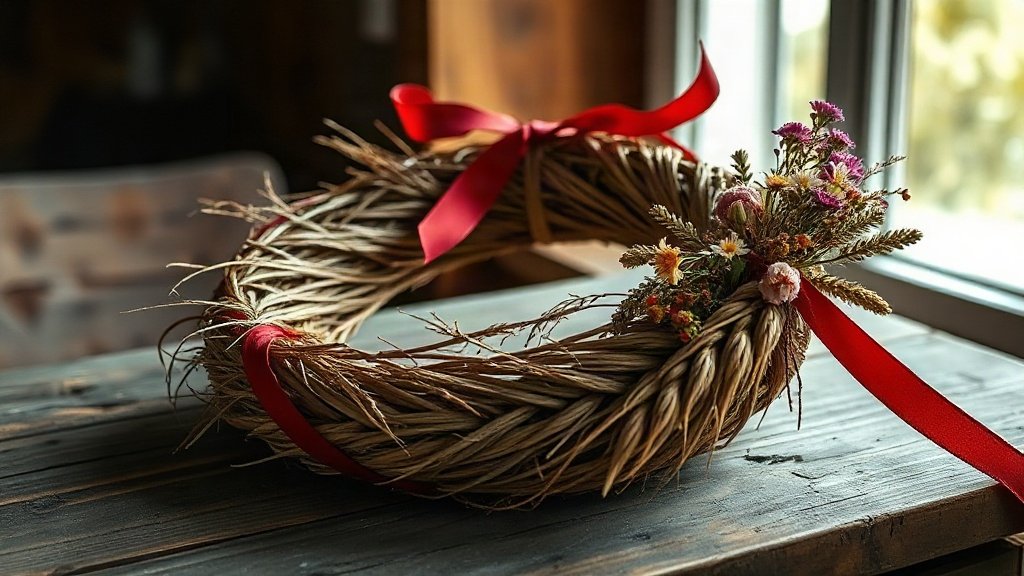
Illustration: AI-generated image
Across Romania's rural landscape, the end of the grain harvest was once marked by a beautiful and symbolic ritual: the making of the cununa de grâu, or harvest wreath. Woven from the last sheaf of wheat, this wreath embodied the spirit of the field and the hope for a fertile year to come. Although the custom has faded in many places, it remains a vivid reminder of the deep connection between Romanian folk culture and the land.
The Ritual of the Last Sheaf
The last sheaf of wheat was treated with special reverence. It was believed to hold the 'spirit of the grain', and cutting it was a moment of both joy and solemnity. In some regions, the harvesters would compete to see who could bind the sheaf first, while in others, the sheaf was left standing until the end of the harvest, then cut with a single stroke of the sickle. The stalks were carefully gathered and carried to the village, often accompanied by songs of thanks.
Making the Cununa
The sheaf was woven into a circular wreath, symbolising the cycle of life and the unbroken bond between the community and the earth. The wreath was decorated with wildflowers, ribbons, and sometimes small fruits or nuts. The most skilful weaver in the village was often entrusted with this task, and the wreath had to be both beautiful and strong enough to last through the coming celebrations.
Celebration and Meaning
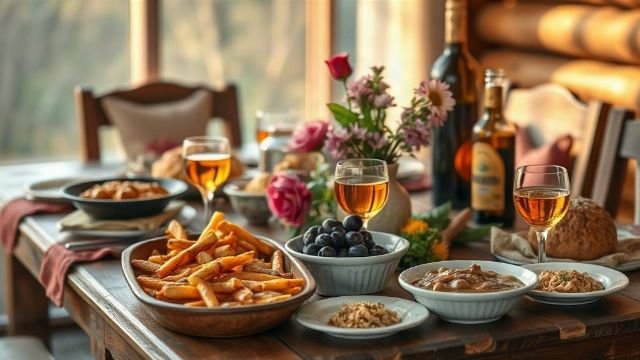
The harvest wreath was carried at the head of a procession to the village or to the church, where it was blessed. After the blessing, the wreath was often hung in the home of the farmer or in a prominent place in the village, serving as a symbol of prosperity and protection. The grains from the wreath were sometimes kept and mixed with the seed for the next planting, ensuring continuity and good fortune. The wreath also played a central role in the harvest feast, where the community gathered to share food, music, and dance, giving thanks for the year's bounty.
Today, the cununa de grâu appears mostly at folk festivals and ethnographic demonstrations, but its symbolism endures. It speaks of gratitude, community, and the timeless rhythm of the agricultural year—values that still resonate in Romania's countryside.