Clătite: Romania's Thin Pancakes Worth Making at Home
Light, lacy and endlessly adaptable, clătite are Romania's answer to French crêpes. Learn how to make the batter and which fillings are most loved.
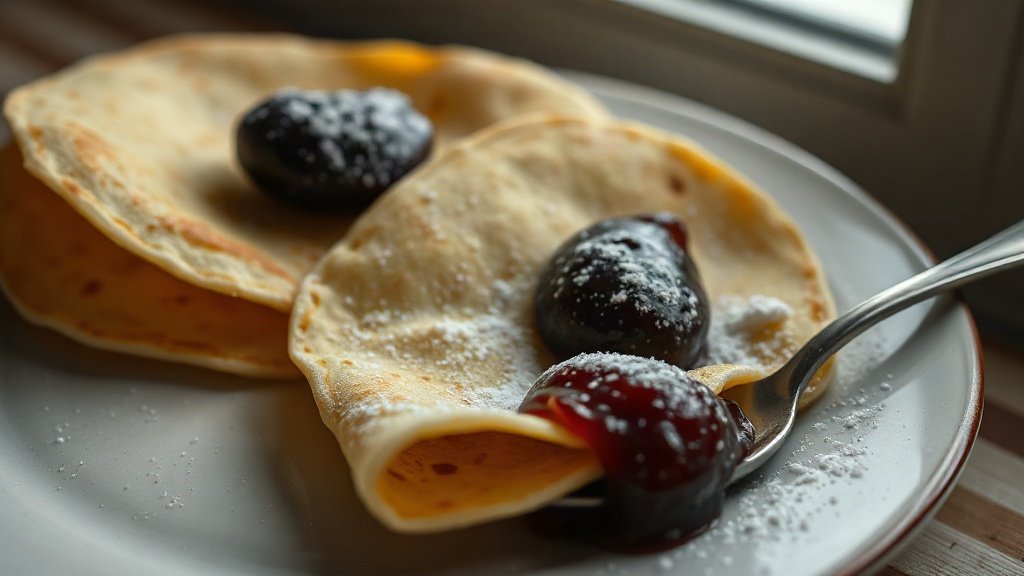
Illustration: AI-generated image
When Romanians want something sweet, quick and endlessly adaptable, they often turn to clătite. These thin, delicate pancakes are similar to French crêpes, but with a character all their own, and they appear everywhere from family breakfasts to festive dessert tables.
Unlike the thick, fluffy American pancake, clătite are lacy and pliable, designed to be rolled or folded around a filling. The batter is simple: flour, eggs, milk, a pinch of salt and sometimes a splash of sparkling water for extra lightness. No raising agent is needed; the eggs do the work.
What makes clătite different?
Clătite are closer to crêpes than to American pancakes. They are cooked on a flat pan or griddle, spread thinly, and flipped once. The result is a flexible, golden sheet that can be served with sweet or savoury fillings. In Romania, they are a beloved everyday treat as well as a celebration staple.
How to make the basic batter
For around ten clătite, you will need:
- 250 grams plain flour
- 3 large eggs
- 500 millilitres milk
- a pinch of salt
- 2 tablespoons vegetable oil or melted butter
- optional: 100 millilitres sparkling water for a lighter texture
Whisk the flour, eggs and salt together, then gradually add the milk until you have a smooth, pourable batter. Stir in the oil or melted butter. If using sparkling water, add it just before cooking and give a gentle stir. Let the batter rest for at least 20 minutes; this helps the gluten relax and produces more tender pancakes.
Cooking tips for perfect clătite
Heat a non-stick or well-seasoned pan over a medium heat. Lightly grease it with a little oil or butter before the first pancake only. Pour a small ladleful of batter into the centre and quickly tilt the pan to spread it thinly and evenly. Cook for about one minute, until the edges start to lift and the underside is lightly golden. Flip carefully and cook for another 30 seconds.
Stack the cooked clătite on a plate and cover with a clean tea towel to keep them soft. If you want to make them ahead, they can be layered with baking paper and stored in the fridge for a day or two.
Sweet fillings Romanians love
The most traditional sweet filling is jam, especially plum or apricot, sometimes spread with a little sour cream. Cottage cheese sweetened with sugar and raisins is another classic. Chocolate spread, ground walnuts with honey, or simply a squeeze of lemon and a sprinkle of sugar are also popular. Many families serve warm clătite with a dusting of icing sugar.
Savoury options
Although clătite are usually thought of as a dessert, savoury versions are common too. They can be filled with cheese and herbs, mushrooms, or a mixture of spinach and feta, then folded or rolled and sometimes baked with a little cream. In some regions, thin pancakes are used as a wrapper for meat or vegetable fillings, similar to a cannelloni.
When to enjoy them
Clătite are a versatile dish: they can be a quick weekend breakfast, an after-school snack, or an elegant dessert at a dinner party. They are also often made for Shrove Tuesday or other festive gatherings. Because the batter keeps well, many home cooks prepare a larger batch and fill them with whatever is in season.