Cimbru, Tarhon and Mărar: Romania's Essential Herbs Explained
Discover the three herbs that define Romanian cooking: cimbru (summer savory), tarhon (tarragon) and mărar (dill). Learn their flavours and the traditional dishes they elevate.
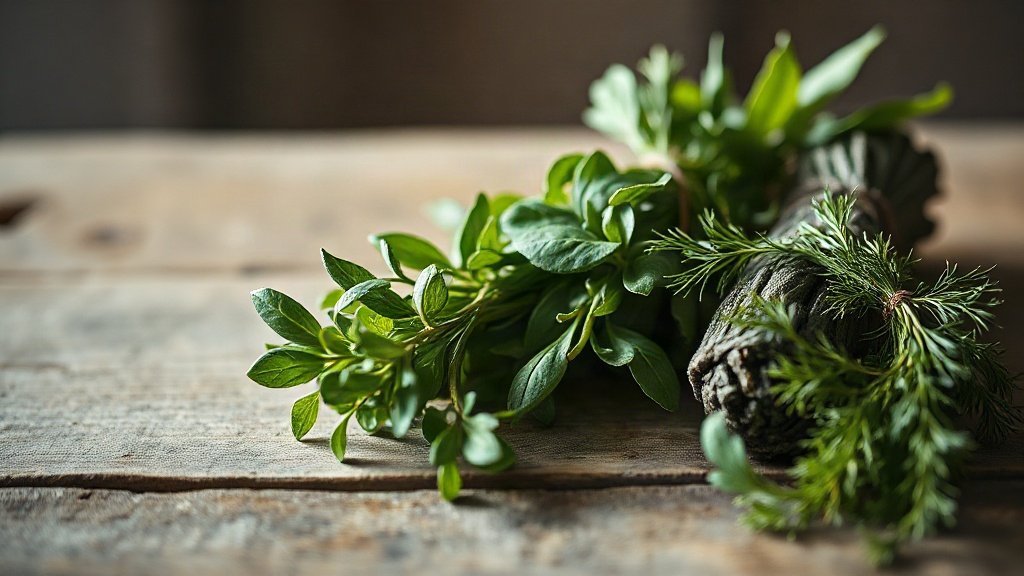
Illustration: AI-generated image
Romanian cooking is built on a foundation of fresh, fragrant herbs. While parsley and lovage get plenty of attention, three herbs stand out for their distinct roles and widespread use: cimbru, tarhon and mărar. Learning how to use them will instantly bring authentic Romanian flavour to your kitchen, whether you are cooking a hearty stew, a tangy soup or a simple salad.
Cimbru (Summer Savory)
Cimbru is a small, hardy herb with a peppery, slightly minty flavour that falls somewhere between thyme and oregano but with a sharper edge. It is one of the most important herbs in Romanian kitchens, used both fresh and dried. Dried cimbru is a staple in the spice rack and is added generously to bean dishes, lentil stews and meat preparations.
You will find cimbru in classic recipes like iahnie de fasole (white bean stew), ciorbă de fasole (bean soup) and various pork dishes. It pairs wonderfully with smoked meats and adds depth to slow-cooked meals. If you are making a Romanian-style bean pot at home, toss in a teaspoon of dried cimbru early in the cooking process to let its flavour infuse the broth.
Tarhon (Tarragon)
Tarhon, or tarragon, has a delicate anise-like flavour with a hint of sweetness. Unlike cimbru, which can stand up to long cooking, tarhon is best added near the end of cooking or used fresh as a finishing herb. It is a key ingredient in ostropel, a garlicky chicken stew that is popular across Romania, where its aromatic note balances the sharpness of garlic and vinegar.
Tarhon also appears in creamy sauces, egg dishes and some soups, particularly in the region of Moldova. Fresh tarragon leaves can be chopped and stirred into sour cream or yogurt for a quick, traditional sauce served with grilled meats or vegetables. Because its flavour is more delicate, dried tarragon is less common; if you can grow it or find it fresh, the difference is noticeable.
Mărar (Dill)
Mărar, or dill, is perhaps the most visible herb in Romanian cuisine, often found in bunches at markets and used generously as a garnish and ingredient. Its feathery fronds have a fresh, grassy, slightly citrusy flavour that brightens rich dishes. Unlike cimbru, dill is almost always used fresh; drying it loses much of its character.
You will encounter mărar in a wide range of dishes: sprinkled over boiled potatoes, stirred into salată de varză (cabbage salad), mixed into ciorbă just before serving, and used as a filling for plăcinte alongside cheese or eggs. It is also essential for murături (pickles), where fresh dill heads and fronds infuse the brine with their signature aroma. For an easy taste of Romania, chop fresh dill over a bowl of sour cream and serve with warm bread.
How to Use Them at Home
These three herbs are versatile and easy to incorporate into everyday cooking. Here are a few practical tips:
- Substitutions: If you cannot find cimbru, a mix of thyme and oregano works as a reasonable stand-in. For tarhon, a small amount of fennel fronds or anise seed can mimic its anise note. Fresh dill is hard to replace, but in a pinch, use a little dried dill (add more than you think you need).
- Growing: All three herbs grow well in temperate climates and do fine in pots on a sunny windowsill. Cimbru is a perennial that comes back year after year; tarhon and mărar are annuals but are easy to start from seed.
- Preserving: Cimbru dries beautifully and keeps its flavour for months. Tarhon and mărar are best frozen: chop them finely, pack into ice cube trays with a little water, and pop out a cube whenever a recipe calls for fresh herbs.
Whether you are recreating a beloved Romanian dish or simply want to add a new dimension to your cooking, cimbru, tarhon and mărar are a wonderful place to start. Experiment with them in soups, stews, salads and sauces, and you will soon understand why these herbs are so cherished in Romanian kitchens.