Bucharest: A First-Timer's Guide to Romania's Capital
From Belle Époque avenues to communist-era landmarks and lively neighbourhoods, Bucharest surprises first-time visitors. Here's how to plan your time in Romania's dynamic capital.

Illustration: AI-generated image
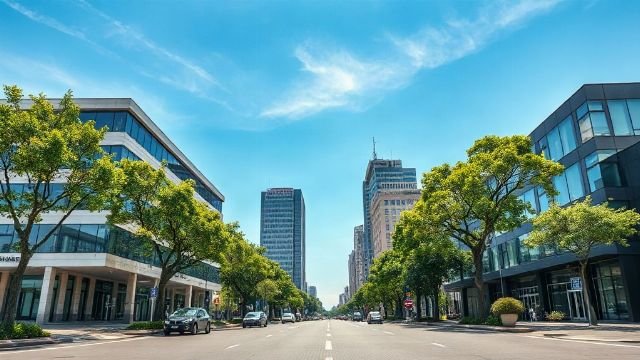
Bucharest is often overlooked by travellers rushing to Transylvania, but Romania's capital rewards those who stay a while. It's a city of striking contrasts: wide, tree-lined boulevards inspired by Paris sit alongside imposing communist-era architecture, while a growing arts scene and cafe culture add contemporary energy. With a little planning, first-time visitors can uncover a destination that feels both grand and lived-in.
Getting Around
The metro is the quickest way to cover longer distances, with four lines connecting most areas visitors will want to see. Buy a rechargeable card from any station and top up as needed. Buses, trams, and trolleybuses fill the gaps, though they can be slowed by traffic at peak times. The city centre is compact and walkable, especially around the Old Town and Calea Victoriei. For taxis, use a ride-hailing app or ask your accommodation to call a reputable company; avoid hailing unmarked cars on the street.
Top Neighbourhoods and Sights
The Old Town (Lipscani) is the obvious starting point, with cobbled lanes, restored 19th-century buildings, and plenty of restaurants and bars. It can get lively at night but is charming during the day for a stroll. Nearby, Calea Victoriei stretches north with elegant shops, museums, and historic landmarks. The highlight for many visitors is the Palace of Parliament, one of the largest administrative buildings in the world; book a guided tour in advance to see its lavish interiors. For a breath of fresh air, head to Herastrau Park, home to the open-air Village Museum, which showcases traditional houses from across Romania. Cismigiu Park, closer to the centre, is a quieter green escape. Revolution Square and the surrounding area hold significant historic sites worth a respectful visit.
Food and Drink
Romanian cuisine is hearty and comforting. Look for sarmale (cabbage rolls), mici (grilled minced meat rolls), ciorba (sour soup), and papanasi (fried doughnuts with sour cream and jam). The Old Town and areas near the university are full of casual eateries and cafes, many with outdoor seating in warmer months. Coffee culture is strong, and you'll find specialty cafes tucked into side streets. For a quick bite, bakeries and street vendors offer covrigi (pretzel-like bread) and other snacks.
Practical Tips
English is widely spoken among younger people and in tourist areas, but learning a few Romanian phrases is appreciated. The currency is the leu; cards are accepted in most places, but keep some cash for small purchases or markets. As in any major city, stay aware of your belongings in crowded spots and on public transport. Spring and autumn offer mild weather, while winter brings festive markets and summer can be hot. Whatever the season, Bucharest's mix of history, culture, and everyday life makes it a rewarding first stop in Romania.