Borș: Romania's Fermented Sour Base for Ciorbă and More
Borș is the traditional fermented liquid that gives many Romanian soups their signature tang. Learn how it is made, how to cook with it, and what to use as a substitute.
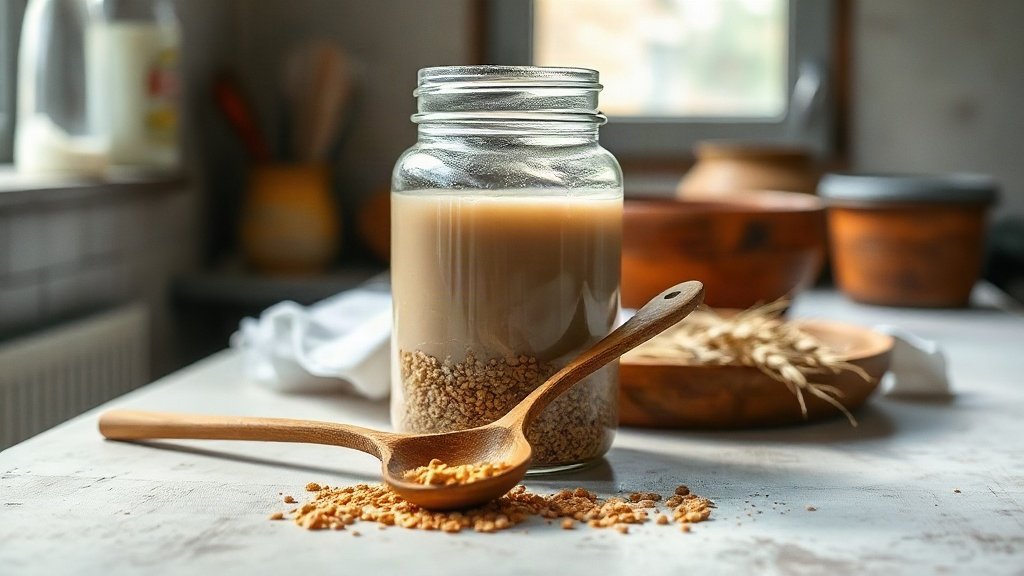
Illustration: AI-generated image
If you have ever enjoyed a bowl of ciorbă in Romania, you have likely tasted borș – the fermented liquid that gives many sour soups their distinctive, complex tang. Often confused with the beet-based borscht of Eastern Europe, Romanian borș is a clear or slightly cloudy souring agent made from fermented wheat bran. It is a cornerstone of traditional cooking and surprisingly easy to make at home.
What is borș?
Borș is a naturally fermented liquid, similar in concept to a sourdough starter or kombucha. It is made by soaking wheat bran (sometimes mixed with cornmeal) in water, often with a piece of bread or a few cherry or lovage leaves to speed up fermentation. Over several days, wild yeasts and bacteria convert the starches into lactic acid, giving the liquid a pleasantly sour, slightly earthy flavour.
The result is a pale, cloudy liquid with a mild acidity that is less sharp than vinegar and more complex than lemon juice. It is used primarily to acidify soups, especially the many varieties of ciorbă, but also appears in some stews and sauces. In many Romanian households, a jar of homemade borș is kept in the pantry throughout the year, topped up with fresh bran and water as it is used.
How to make borș at home
Making borș requires little more than patience and a few basic ingredients. The process is simple, and the result is entirely natural, with no added preservatives.
- Ingredients: 200 grams wheat bran, 1.5 litres lukewarm water, 1 slice of rye or sourdough bread, and optionally a few sour cherry leaves or a sprig of lovage for flavour.
- Combine: Place the bran, bread, and leaves in a large glass or ceramic jar. Pour over the lukewarm water and stir well.
- Ferment: Cover the jar with a clean cloth or a loose-fitting lid (to allow gases to escape) and leave at room temperature, away from direct sunlight, for 3 to 5 days. Stir once or twice a day. The liquid will begin to bubble and develop a sour smell – a sign that fermentation is active.
- Strain and store: When the borș tastes pleasantly sour, strain out the solids through a fine sieve or muslin. Transfer the liquid to a clean bottle or jar and keep it in the fridge. It will continue to mellow over time.
Once you have a batch, you can keep it going by adding a little fresh bran and water every time you use some, a practice known as “feeding” the borș. With care, a single starter can last for years.
Using borș in the kitchen
Borș is most famously used in ciorbă, the category of sour Romanian soups that includes ciorbă de burtă (tripe soup), ciorbă de perișoare (meatball soup), and ciorbă de legume (vegetable soup). To use it, the soup is usually cooked until the ingredients are tender, then the borș is added near the end of cooking and simmered for just a few minutes more. Adding it too early or boiling it too long can reduce its sourness and aroma.
Beyond soups, borș can brighten stews, bean dishes, or even be used in marinades for meat. A splash can replace vinegar in salad dressings for a softer, more rounded acidity. The amount needed varies depending on the desired sourness, but a typical pot of soup might use between 200 and 500 millilitres.
Substitutes for borș
If you cannot find borș or do not have time to make it, there are several acceptable stand-ins. Lemon juice is the most common, but it lacks the fermented depth. A mixture of lemon juice and a little whey or sauerkraut juice can come closer. Some cooks use a light vinegar, such as white wine or apple cider vinegar, diluted with water. However, none of these will replicate the unique flavour of true borș, so making a batch is well worth the effort for anyone who loves Romanian food.
Borș is more than just an ingredient; it is a living tradition that connects Romanian kitchens to their past. Whether you make it yourself or simply appreciate it in a bowl of ciorbă, understanding borș adds another layer to the country's rich culinary story.