A Practical Guide to Laundry in Romania: Hard Water, Drying and Machine Settings
From hard water issues to drying clothes in small flats, here's how to handle laundry like a local.
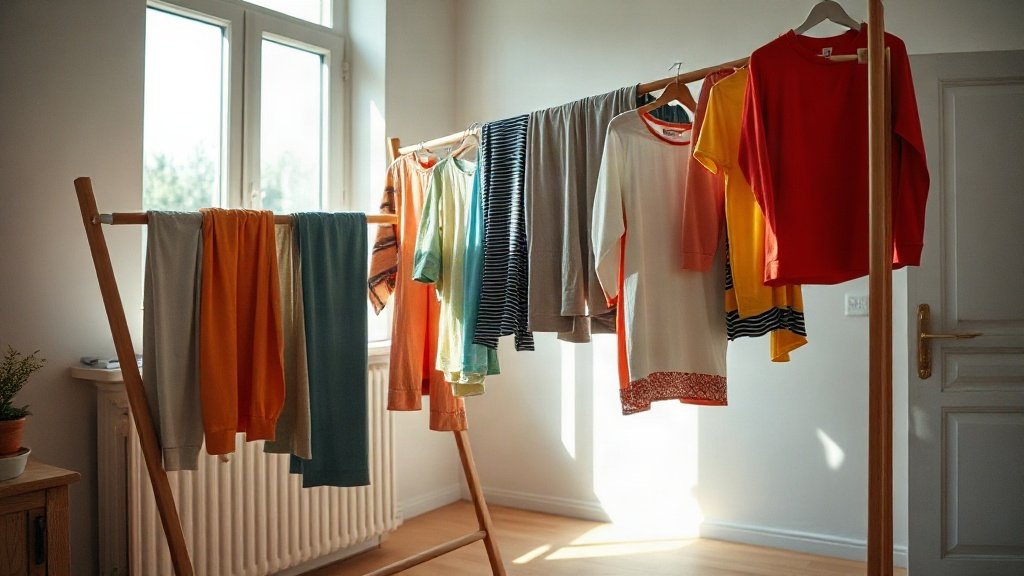
Illustration: AI-generated image
For newcomers to Romania, the everyday task of laundry can present a few surprises. Hard water, compact washing machines and a lack of dryers mean that a few practical adjustments will keep your clothes clean and your home smelling fresh.
Understanding Hard Water
Much of Romania has hard water, which contains high levels of calcium and magnesium. This can make detergents less effective, leave white residue on dark clothes and cause limescale to build up inside your machine. To counter this, choose a detergent that is labelled for hard water or use a little more than usual. Adding a water softener, such as sodium carbonate (cristal soda), to each wash also helps. Descale your machine regularly with a dedicated product or a simple solution of citric acid and hot water run through an empty cycle.
Washing Machine Types and Settings
Most Romanian homes have front-loading washing machines, often installed in the kitchen or bathroom. These machines are efficient and gentle on clothes but tend to have longer cycles than top-loaders common elsewhere. Typical programmes include:
- Bumbac (Cotton) – for sturdy fabrics, often 60°C or 90°C, longest cycle.
- Sintetice (Synthetics) – for blended fabrics, 30–40°C, shorter and gentler.
- Delicate (Delicates) – for wool, silk or lingerie, cold or 30°C, minimal spin.
- Rapid (Quick wash) – for lightly soiled items, usually 15–30 minutes.
- Spălare la rece (Cold wash) – uses cold water only, good for dark colours.
Look for the half-load option if you have only a few items, as it saves water and energy. Always check the care labels on your clothes; Romanian washing machines often have a maximum spin speed of 1000–1400 rpm, which can be too harsh for some garments.
Drying Without a Dryer
Tumble dryers are rare in Romanian flats, partly due to space and energy costs. Instead, most people use a foldable drying rack (uscător de rufe) placed on the balcony, in the bathroom, or in a well-ventilated room. In winter, when outdoor drying is impossible, position the rack near a radiator or use a dehumidifier to speed up the process and prevent dampness. Shake out clothes before hanging to reduce wrinkles, and turn dark items inside out to avoid fading. If you have a balcony, try to dry large items like sheets there between April and October; the sun and fresh air leave a lovely scent.
Practical Tips for Stubborn Stains
Many Romanian households rely on simple, inexpensive stain removers. White vinegar (oțet) is excellent for deodorising and softening fabrics; add half a cup to the rinse cycle. Baking soda (bicarbonat de sodiu) can be mixed with water into a paste for treating grease or coffee stains. For fresh fruit or wine stains, act quickly: rinse with cold water, then apply a little lemon juice and salt before washing as normal. Avoid hot water on protein stains like blood or egg, as it sets them.
With these basics in mind, laundry day in Romania becomes straightforward. A little knowledge about hard water, the right programme and smart drying methods will keep your wardrobe clean and your home comfortable all year round.