Romanian Wedding Traditions: A Journey Through Rituals and Symbols
From the pețit ceremony to the hora of the bride, discover the rich customs that make a traditional Romanian wedding a vibrant celebration of community and heritage.
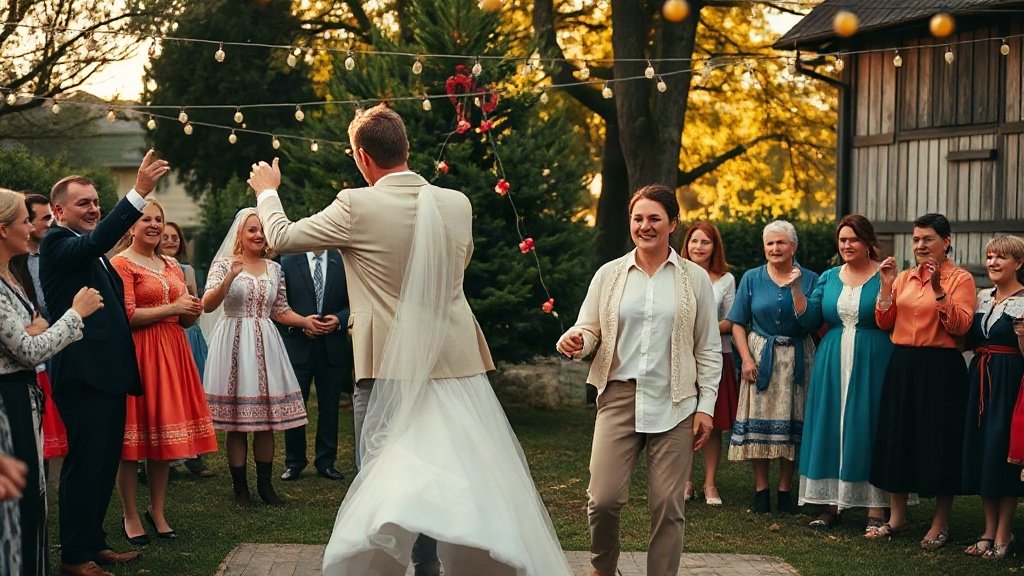
Illustration: AI-generated image
Weddings in Romania are far more than a simple exchange of vows. They are vibrant, multi-day celebrations that blend Orthodox faith, ancient rural customs and lively folklore. While modern couples often add contemporary touches, many still honour traditions passed down through generations, each rich with symbolism and meaning.
The Asking of the Hand (Pețitul)
Traditionally, a wedding began long before the ceremony, with the pețit — the formal asking for the bride's hand. The groom's family, often accompanied by a respected elder or matchmaker, would visit the bride's home. The visit was full of ritual: the groom's party might use poetic speech or symbolic gifts, and if the bride's family agreed, they would seal the engagement with a shared drink and a festive meal. Today, this custom survives in rural areas and is sometimes re-enacted as a playful pre-wedding event.
The Wedding Tree (Bradul)
One of the most visually striking elements is the brad de nuntă, a fir tree decorated with ribbons, flowers, sweets and sometimes a bottle of wine or plum brandy. Carried by young men and paraded through the village, the tree symbolises fertility, joy and the couple's new life together. It is often danced with and later placed at the wedding venue as a centrepiece.
The Bride's Farewell (Iertăciunea)
Before leaving her family home, the bride traditionally asks forgiveness from her parents and relatives in a moving ceremony known as iertăciunea. With tears and embraces, she expresses gratitude for her upbringing and seeks their blessing. This moment marks the emotional transition from her life as a daughter to her new role as a wife, and it remains one of the most heartfelt parts of a traditional wedding.
The Wedding Procession and the Dance of the Bride
After the religious ceremony, the couple and their guests form a lively procession, often accompanied by a folk band. When they reach the reception, the bride performs the hora miresei, a special circle dance. During this dance, guests pin money to her dress or veil — a practical and symbolic way for the community to support the new household. The groom, too, may dance and receive gifts. The energy of the hora, with everyone joining hands, reinforces the communal nature of the celebration.
Breaking Bread and Other Symbols
At the reception, a round loaf of bread or a colac is often broken over the couple's heads. This act symbolises prosperity and unity, and the pieces may be shared with guests. Another playful tradition is the furatul miresei — the "stealing of the bride." Friends or relatives whisk the bride away, and the groom must negotiate her return, often with a small ransom or a dance. All in good fun, this custom highlights the couple's bond and the light-hearted spirit of the day.
While not every Romanian wedding includes every tradition, these customs offer a window into a culture that values community, continuity and the joyful marking of life's milestones. Visitors to Romania may encounter them at ethnographic festivals, in open-air museums, or if lucky enough to be invited to a village wedding. They are a living heritage, adapting yet enduring.