Romanian Herbal Teas: A Guide to Local Infusions
Discover the comforting world of Romanian herbal teas, from linden and chamomile to mint and St. John's wort, and learn how locals enjoy these soothing brews.
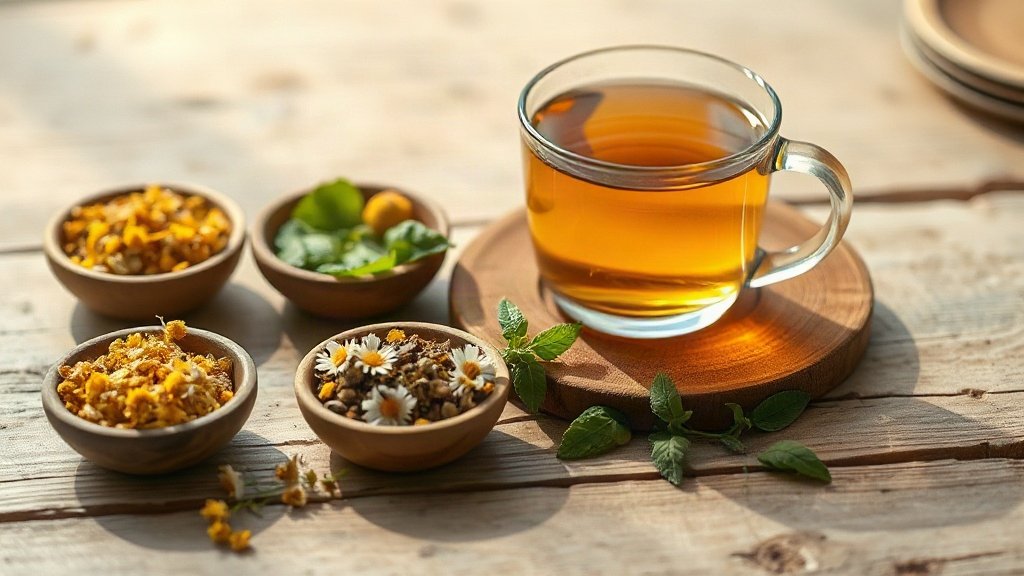
Illustration: AI-generated image
Romania’s tea culture is rooted in the garden and the meadow rather than the tea plantation. While black tea is widely available, most Romanians reach for a cup of fragrant herbal infusion when they want comfort, warmth, or a natural remedy. These tisanes, made from locally grown herbs and flowers, are a daily ritual and a proud part of the country’s culinary heritage.
What makes Romanian herbal teas special?
Herbal teas in Romania are typically made from fresh or dried plants that grow wild or in home gardens. They are appreciated not only for their delicate flavours but also for their perceived health benefits, passed down through generations. Unlike imported teas, these infusions are often single-ingredient, allowing the pure taste of each plant to shine.
Common herbs and their traditional uses
Several herbs dominate the Romanian teapot. Here are the most popular ones you are likely to encounter.
- Linden (tei) – The fragrant yellow flowers of the linden tree produce a golden, honey-like tea. It is a favourite for calming nerves and easing colds, and is often enjoyed before bed.
- Chamomile (mușețel) – A gentle, apple-scented brew used to soothe digestion and promote relaxation. Chamomile is a staple in every Romanian household.
- Mint (mentă) – Fresh or dried, mint tea is refreshing and aids digestion. It is often mixed with other herbs for a more complex flavour.
- St. John’s wort (sunătoare) – Known for its mood-lifting properties, this herb is steeped into a reddish tea, though it should be consumed in moderation and not combined with certain medications.
- Thyme (cimbru) – A savoury herb that also makes a warming tea, often used for coughs and sore throats.
- Rosehip (măceș) – Rich in vitamin C, dried rosehips are brewed into a tart, fruity tea that is especially popular in winter.
How to brew and enjoy
Romanian herbal teas are forgiving and easy to prepare at home. Use about one teaspoon of dried herbs per cup of just-boiled water, and let steep for 5 to 10 minutes. For fresh herbs, use a small handful and steep slightly longer. Honey is the sweetener of choice, and a slice of lemon can brighten the flavour. Many Romanians sip herbal tea throughout the day, but especially in the evening as a wind-down ritual.
A tradition worth tasting
Whether you are exploring a local market, hiking in the Carpathians, or simply looking for a new comforting brew, Romanian herbal teas offer a taste of the country’s natural bounty. They are simple, honest, and deeply connected to the land. Next time you need a moment of calm, steep a cup of linden or chamomile and enjoy a tradition that has warmed Romanians for centuries.