Painted Monasteries of Bucovina: A Traveller's Guide to Romania's Frescoed Churches
Discover the vivid 15th- and 16th-century frescoes of Bucovina's UNESCO-listed monasteries, where biblical scenes cover entire exterior walls.
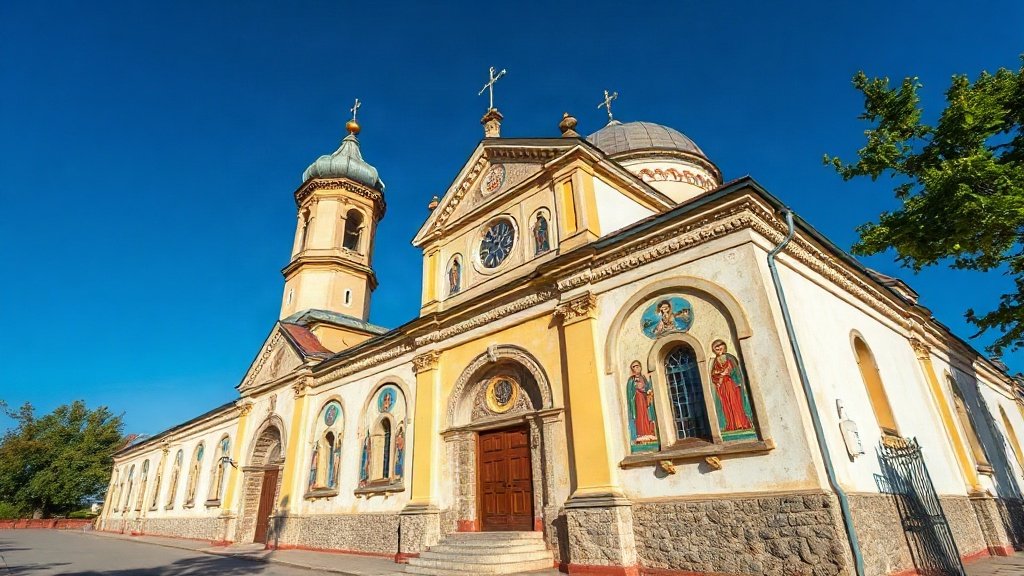
Illustration: AI-generated image
High in the rolling hills of northern Moldavia, the painted monasteries of Bucovina are among Romania's most astonishing cultural treasures. Built in the 15th and 16th centuries, these Orthodox churches are covered, inside and out, with vivid frescoes that illustrate biblical stories, saints, and scenes from history. The exterior paintings, unique in the Byzantine world, were designed to teach the faithful and impress pilgrims. Today, eight of these churches are protected as a UNESCO World Heritage Site, drawing visitors from around the globe.
A Brief History
The tradition began under Stephen the Great (Ștefan cel Mare), the Moldavian prince who ruled from 1457 to 1504. According to local lore, Stephen built a church after every military victory, and many of his foundations were later decorated with frescoes under his illegitimate son, Petru Rareș. The painters, often anonymous monks, used pigments derived from minerals and plants, creating colours that have survived remarkably well. The most famous is the deep blue of Voroneț, made from lapis lazuli, known simply as 'Voroneț blue'.
The Main Monasteries to Visit
Each monastery has its own character. Voroneț, often called the 'Sistine Chapel of the East', is renowned for its Last Judgement fresco on the west wall, a swirling composition of angels, demons, and the righteous being saved. Moldovița, with its golden-yellow hues, features a stunning Siege of Constantinople. Sucevița, the largest and last built, is surrounded by high walls and towers, and its Ladder of Virtues fresco is a highlight. Humor, in reddish-brown tones, presents a more rustic charm, while Arbore is smaller and less visited but equally moving.
Practical Tips for Visiting
- Dress modestly: shoulders and knees should be covered; women may be asked to wear a headscarf, though this is not always enforced.
- Photography is allowed outside but not inside the churches; be respectful of worshippers.
- Visit early or late in the day to avoid tour groups, especially in summer.
- Combine several monasteries in one day, as most are within a 30-minute drive of each other.
- Look for the 'Tree of Jesse' fresco, depicting Christ's ancestry, a common motif.
Getting There and Around
The monasteries are scattered around the town of Gura Humorului in Suceava County. Suceava, the regional capital, has an airport with domestic flights and some international connections. From there, renting a car is the easiest way to explore, as public transport is limited. The roads are well maintained, and the scenic countryside, with its haystacks and wooden churches, makes the journey part of the experience. Alternatively, organised day tours run from Suceava and Gura Humorului.
Whether you are an art lover, a history buff, or simply a curious traveller, the painted monasteries of Bucovina offer a profound glimpse into Romania's medieval soul.